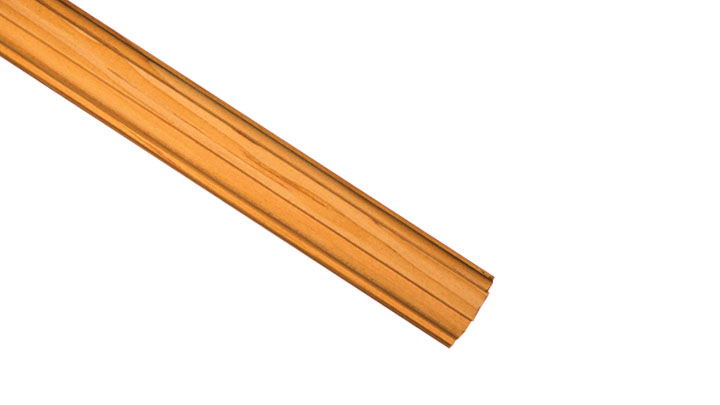
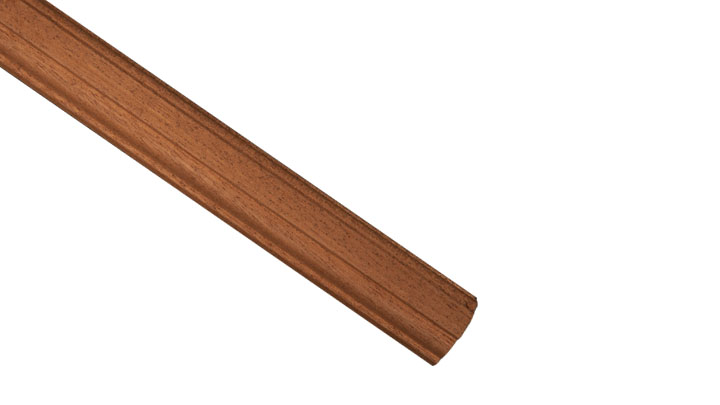
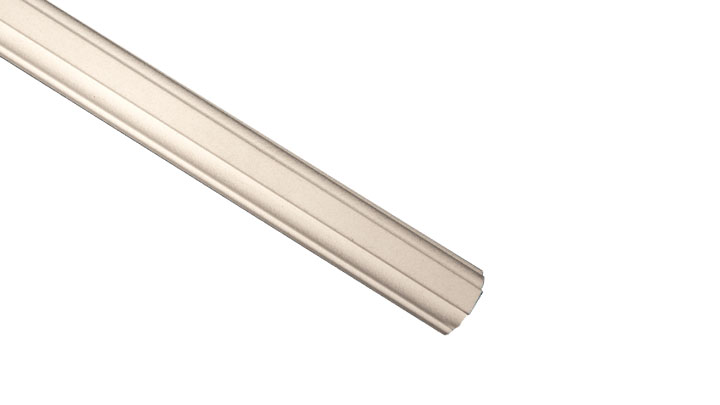
Brickmould: J-channel vs Flange


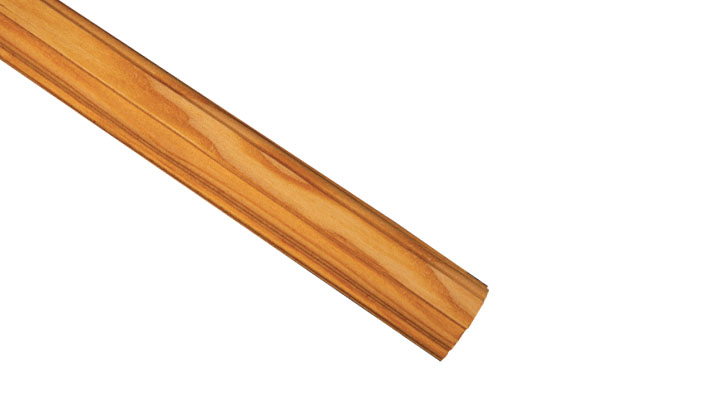
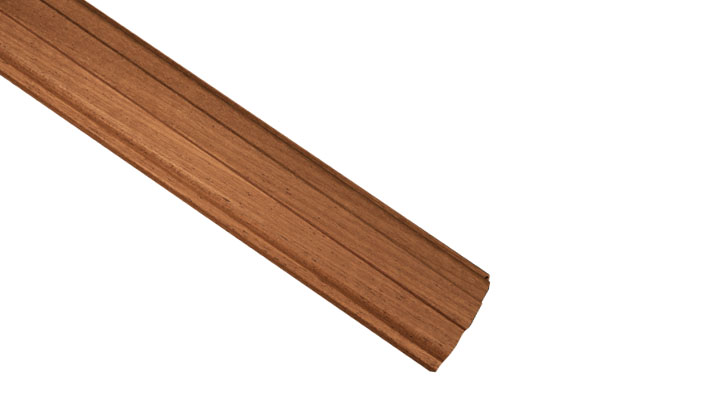
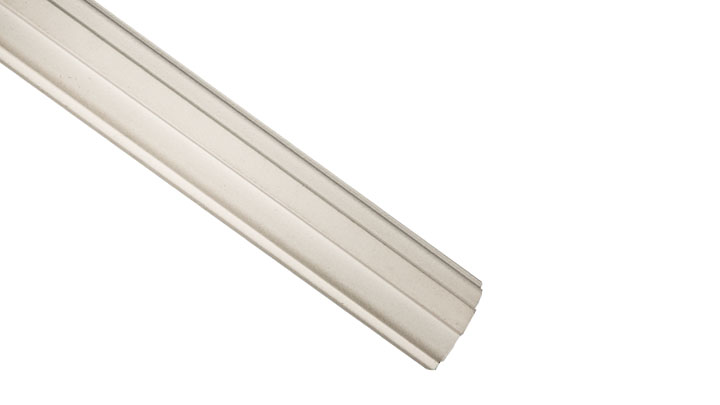
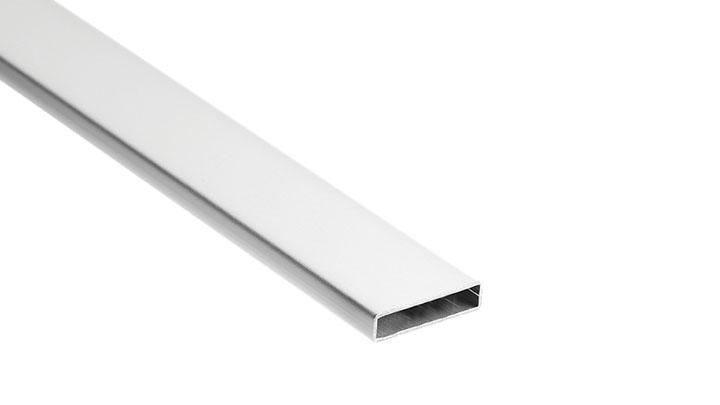
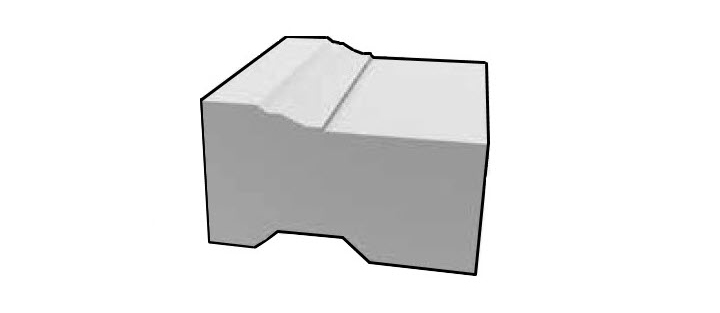
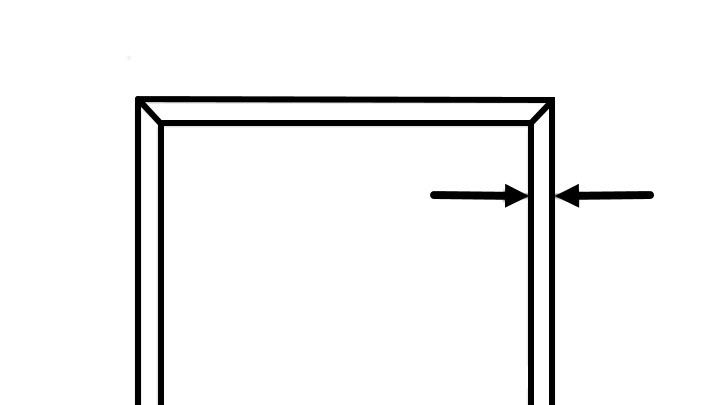
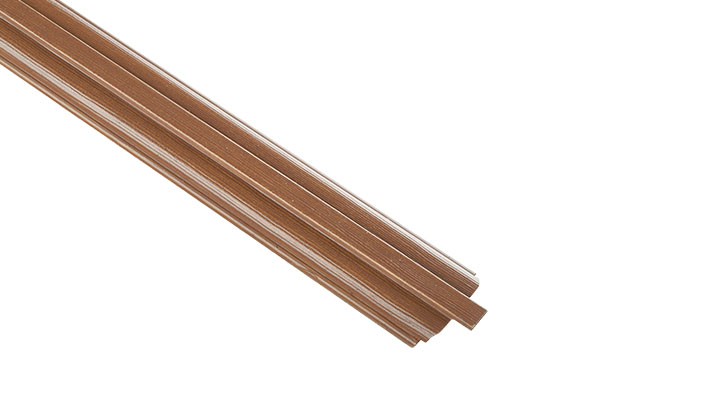
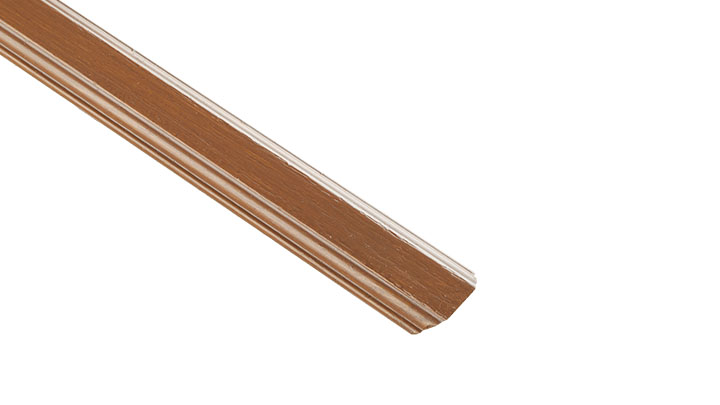
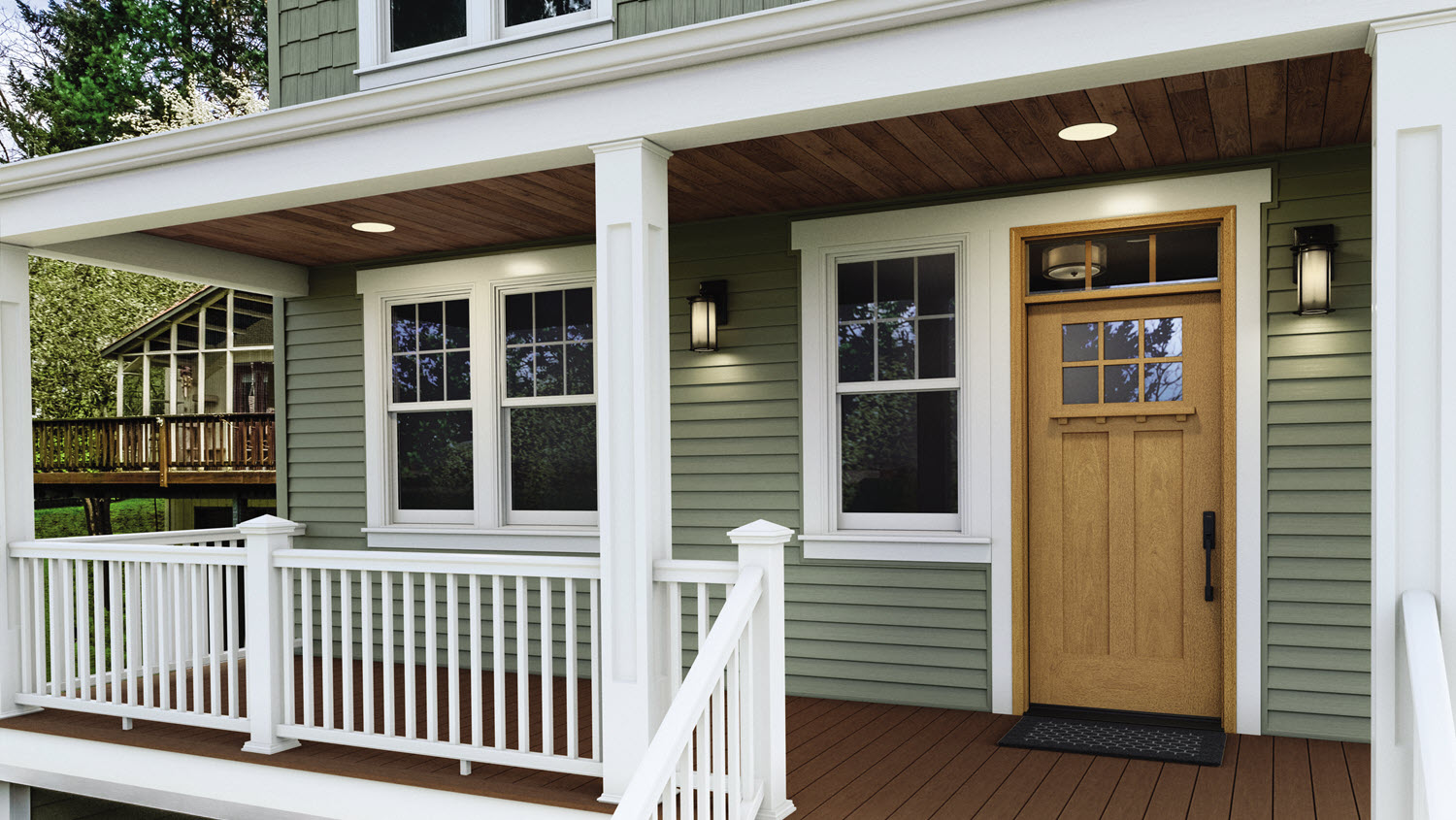
Brickmold is a casing for exterior doors. It abuts the building’s exterior facing material and serves as a barrier between the siding and the frame.

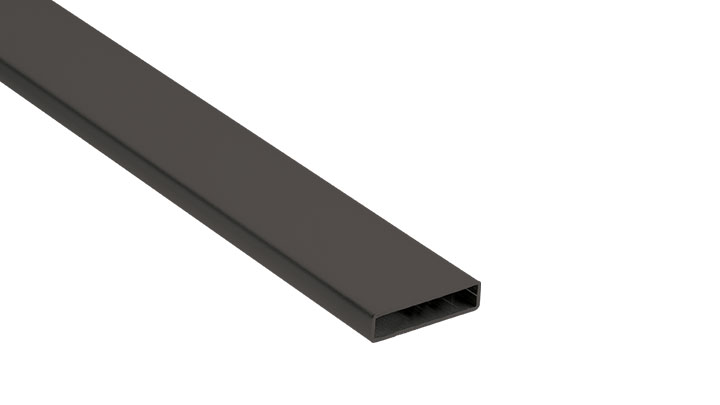
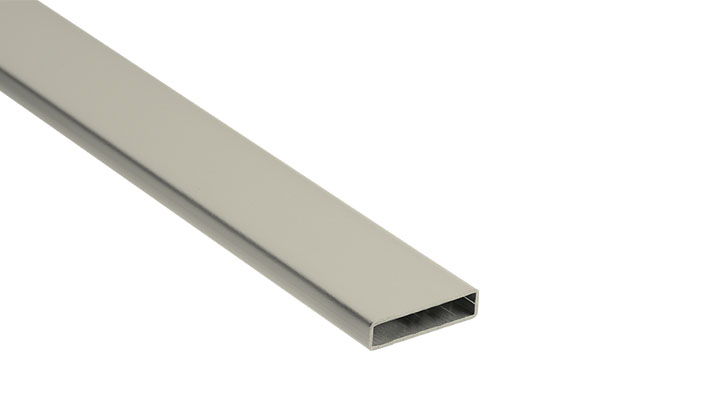
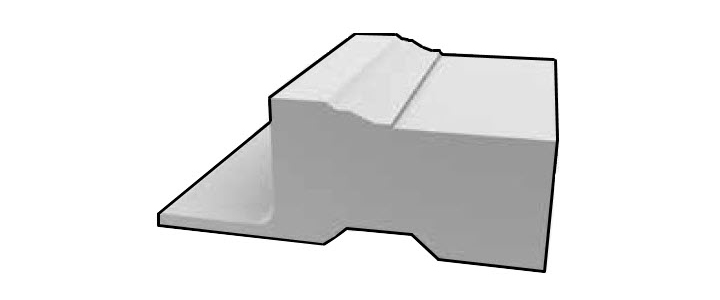
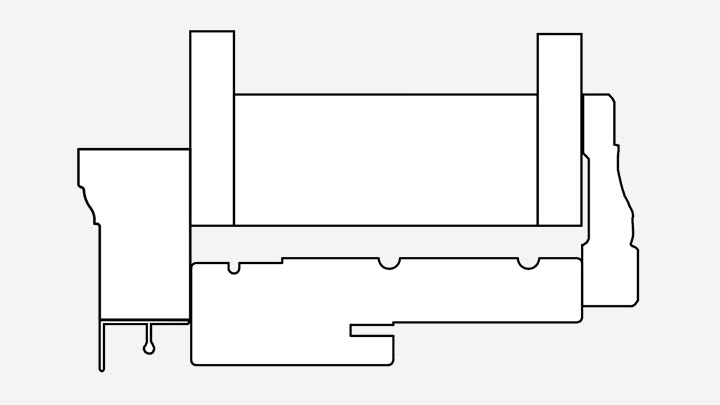
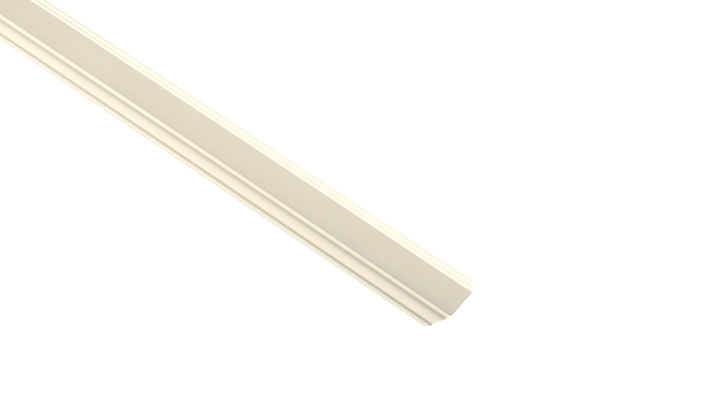
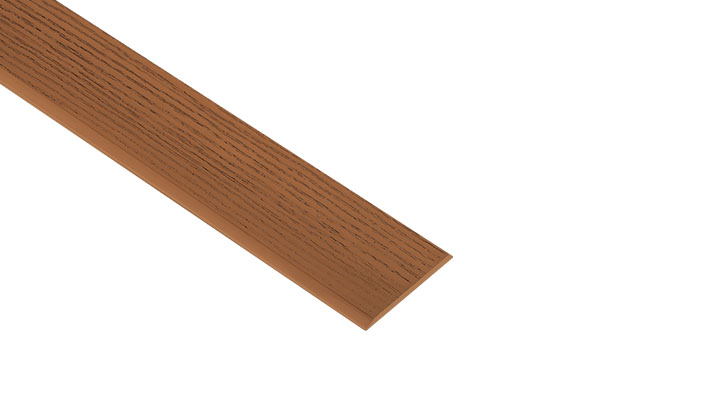
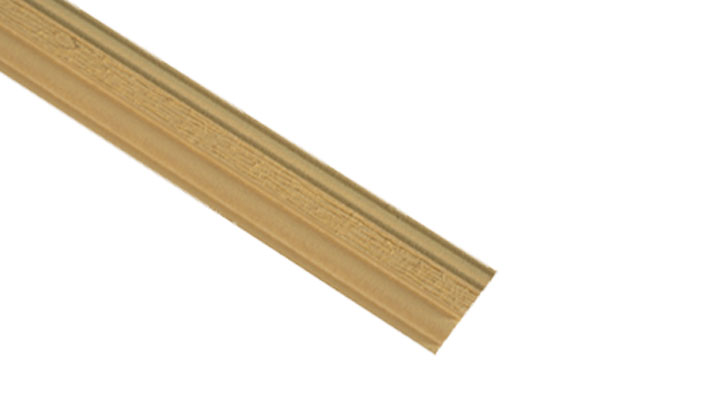
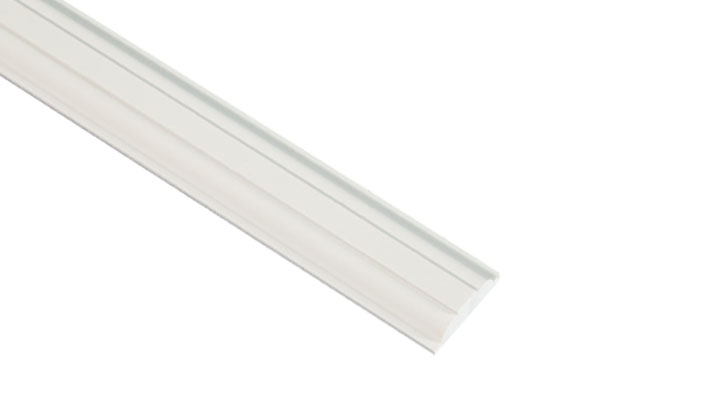
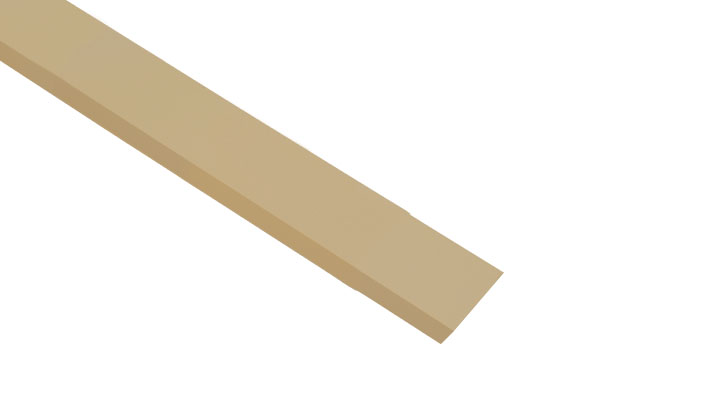
Brickmould with Flange

Brickmould with a flange allows for easy flashing and moisture protection. After installing the unit, you can nail through the flanges as a temporary hold then place flashing tape followed by the exterior material over the flange creating a good weather seal.

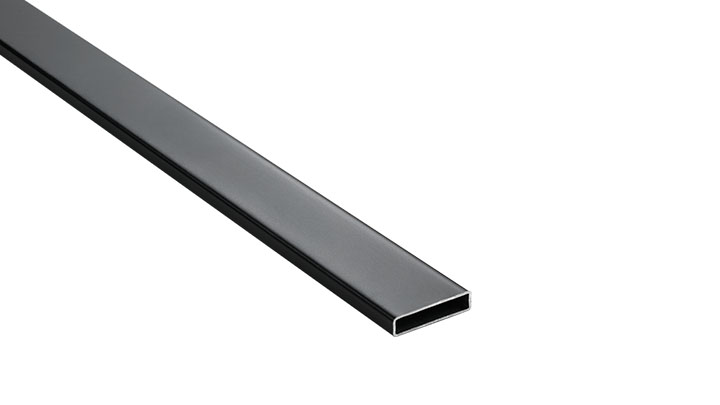
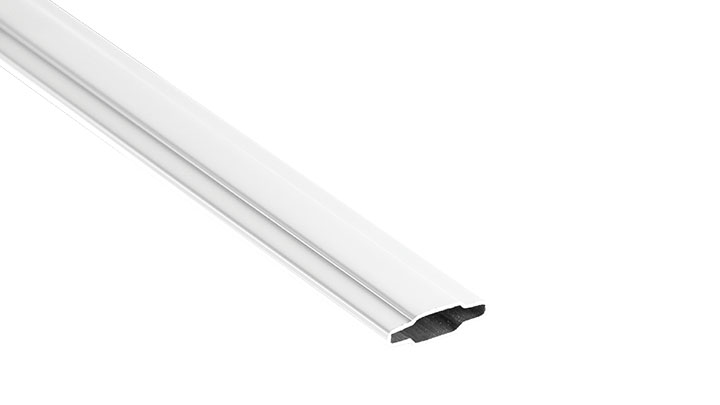
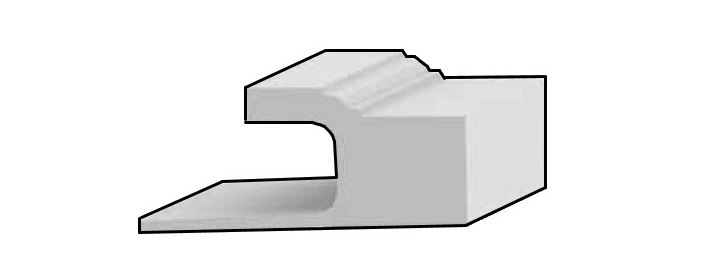
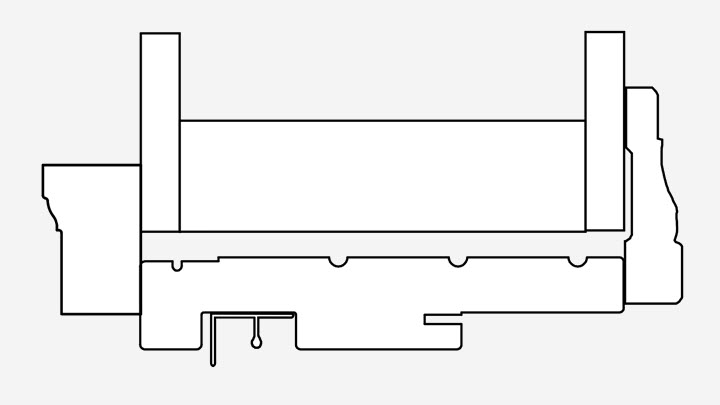
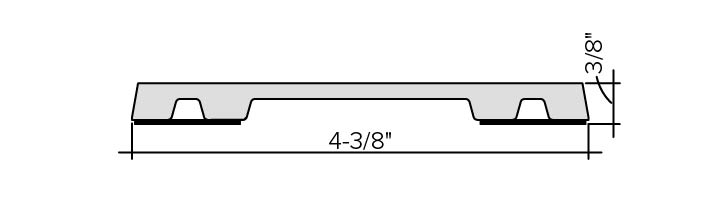
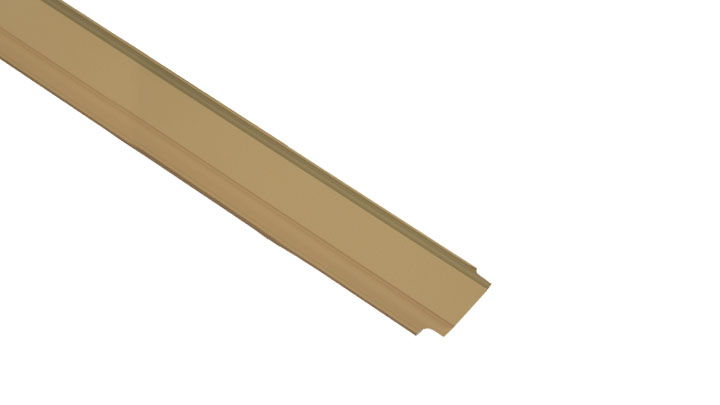
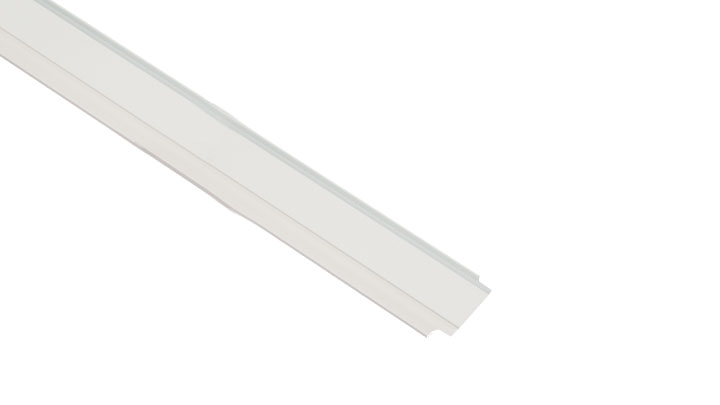
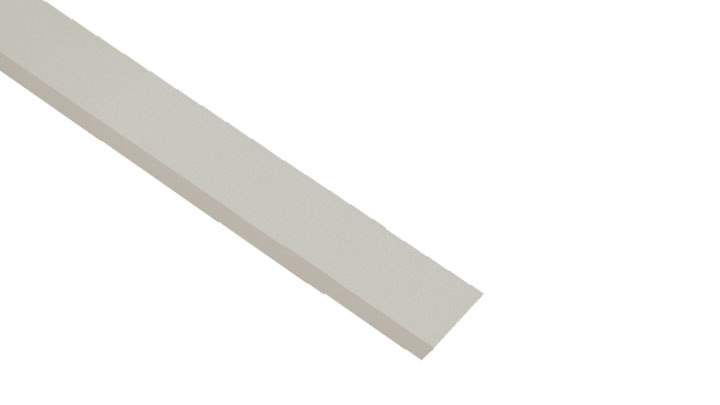
Brickmould with J-Channel

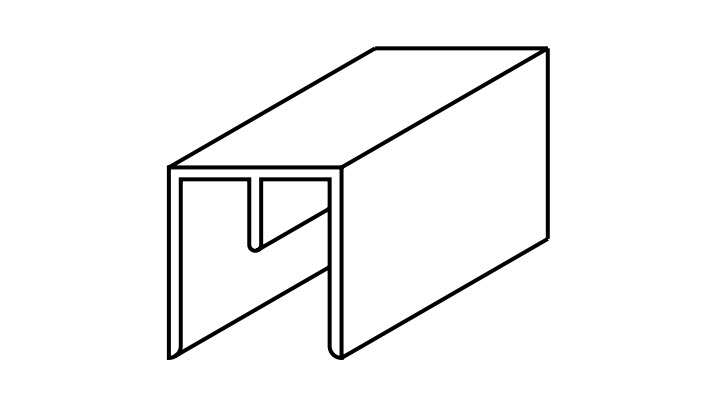
Brickmould with a j-channel hides the cut edge of exterior material and takes the place of a separate j-channel around the brickmould. Using brickmould with a j-channel also allows the exterior material to expand and contract.

Swinging Patio Door Screens

Patio Units include 2 or 3 doors where only one of the panels is active. Many patio units also feature a screen door allowing the active panel to be open for a breeze but keeps out the bugs.

Screen Size
Traditional patio screens have a 3″ aluminum frame around the mesh screen. Slim patio screens have a 2″ aluminum frame around the mesh screen.

Standard-Hung
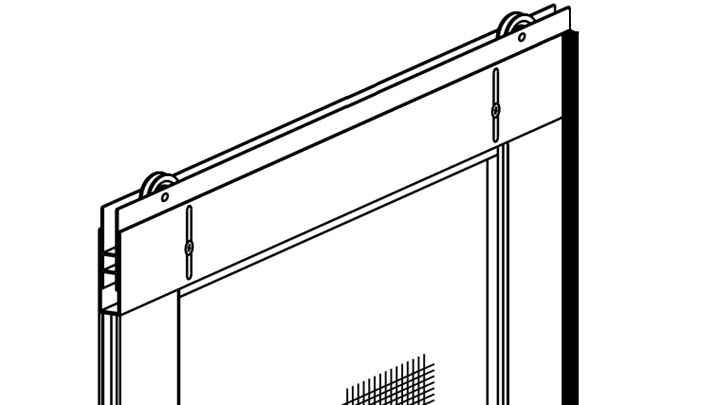
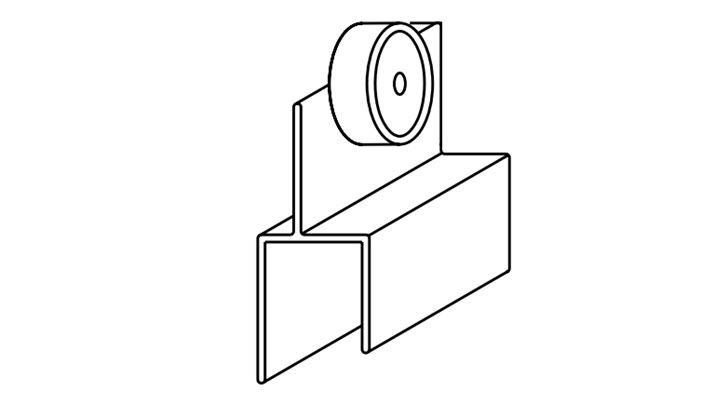
Patio screens have wheels in both the top and bottom of the door. This allows them to slide along the track at the top and the groove in the sill.

Top-Hung
A standard hung patio screen is inserted into adapters with premium rollers for a smoother slide, however the screen must be shorter to fit the opening.

The traditional 3″ framed patio screen is for a top-hung option, and while the slim 2″ framed patio screen is for a standard-hung option.


Unit Considerations

The size of the jamb matters when it comes to the track used with the patio screen.

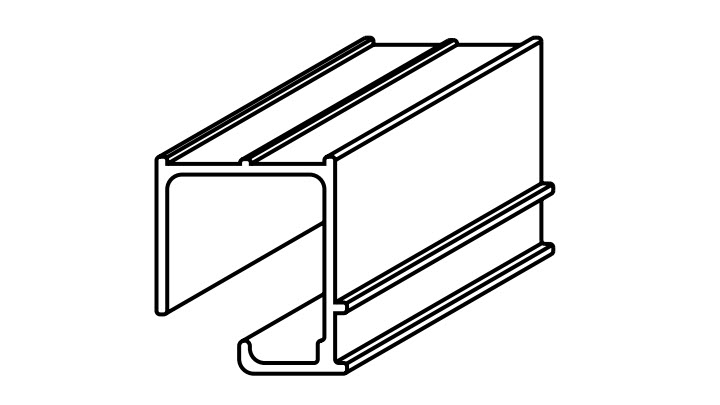
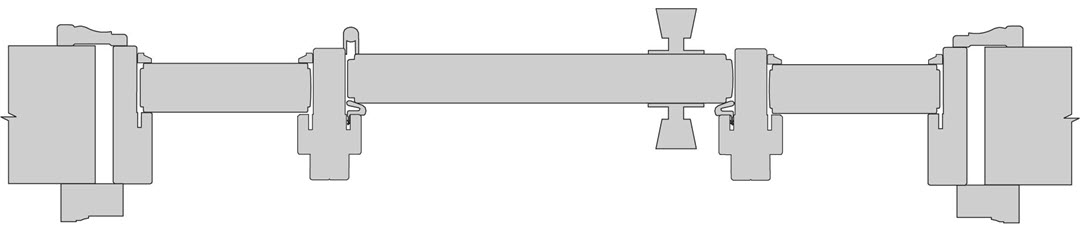
When using a 4-9/16″ jamb depth, the screen track is applied on the underside of the brickmould.

A 6-9/16″ patio jamb is machined with a recessed dado to attach the screen track.

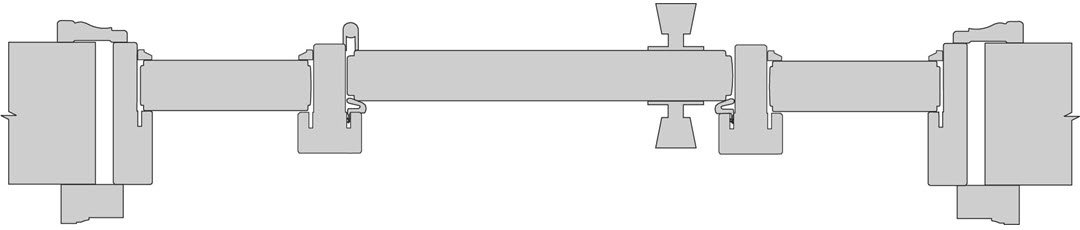
Patio units also use a different mullpost than a standard unit.

A standard mullpost is 3-9/16″ meaning the edge of the mullpost sits back from the edge of the sill. If this size mullpost was used, there would be a gap between the edge of the mullpost and the screen.

A patio mullpost is 4-3/8″ sitting out closer to the edge of the sill. When the screen door is closed, the weatherstrip on the screen will connect with the patio mullpost sealing the unit from bugs.

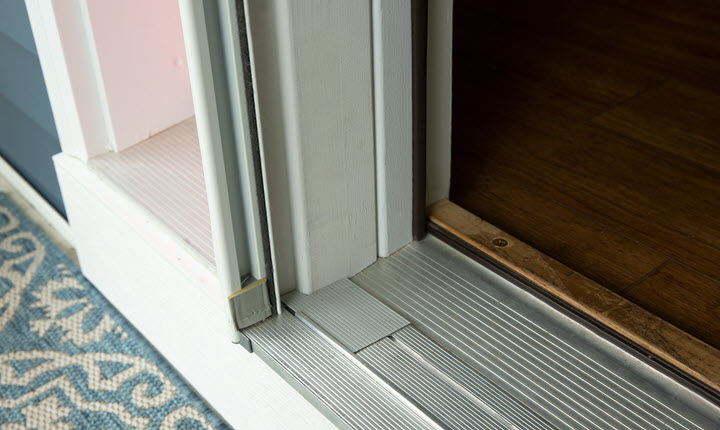
Patio units need a patio sill for the screen.

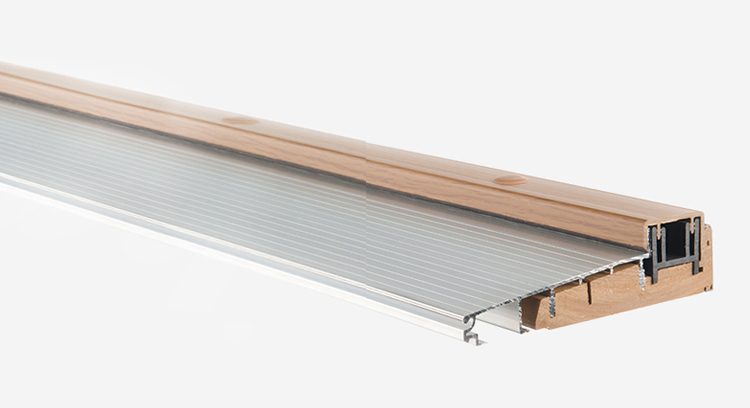
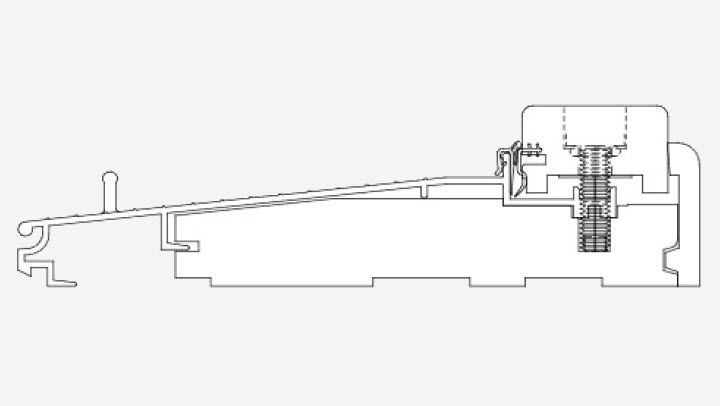
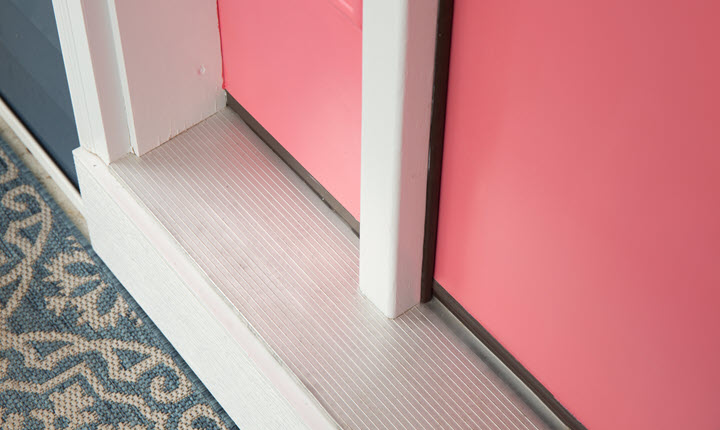
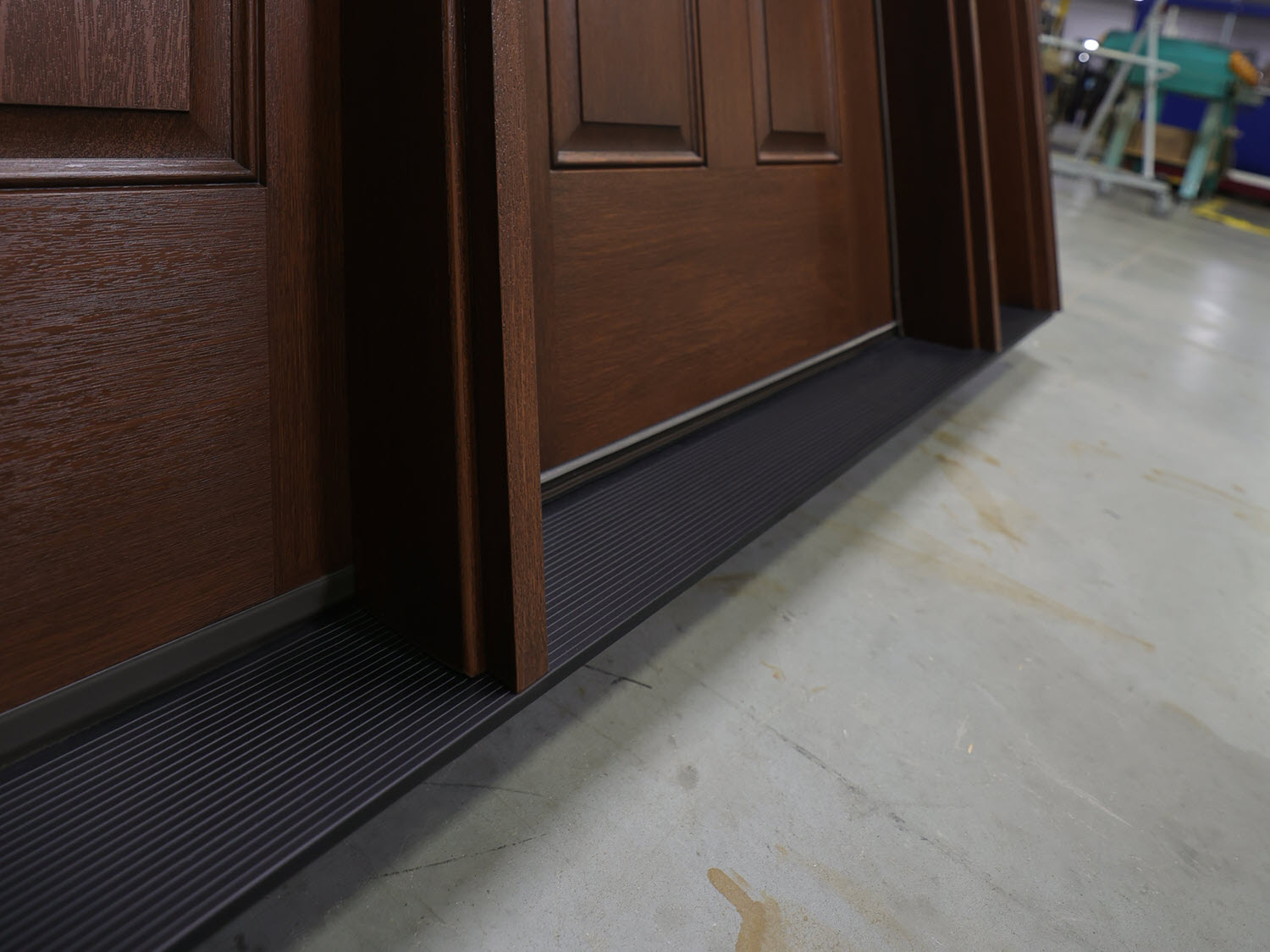
A composite adjustable sill used with a non-patio unit has a flat aluminum approach.

A composite adjustable sill used with a patio unit includes a notch on the aluminum approach which connects with the wheels at the bottom of the screen to help it slide.

Hinge Location Specification

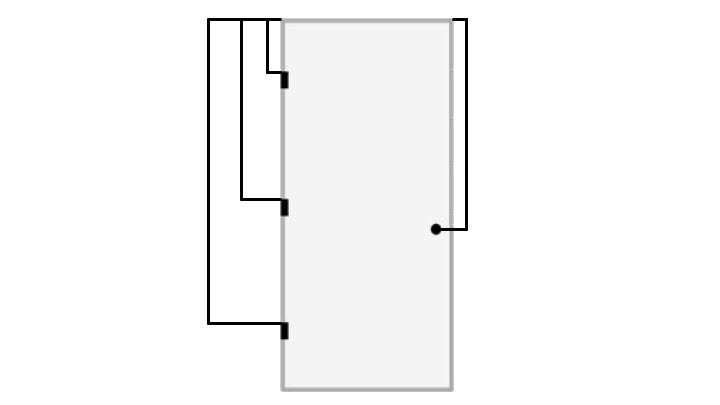
Below are the hinge location for various hinge and door sizes. All hinge locations are given from the top of the door to the top of the hinge. All bore locations are on center from the top of the door

6/8 and 7/0 Doors

8/0 Doors

1-3/8″ Thick Doors with 3-1/2″ Hinges
Height 1st Hinge 2nd Hinge 3rd Hinge 4th Hinge Bore
6/8 8-5/8″ 37-7/8″ 67-1/8″ N/A 44″
7/0 8-5/8″ 37-7/8″ 67-1/8″ N/A 48″
8/0 5-1/2″ 31″ 56-1/2″ 82″ 60″

1-3/4″ Thick Doors with 4″ Hinges
Height 1st Hinge 2nd Hinge 3rd Hinge 4th Hinge Bore
6/8 8-3/8″ 37-5/8″ 66-7/8″ N/A 44″
7/0 8-3/8″ 37-5/8″ 66-7/8″ N/A 48″
8/0 5-1/4″ 30-3/4″ 56-1/4″ 81-3/4″ 60″

1-3/4″ Thick Doors with 4-1/2″ Hinges
Height 1st Hinge 2nd Hinge 3rd Hinge 4th Hinge Bore
6/8 8-1/8″ 37-3/8″ 66-5/8″ N/A 44″
7/0 8-1/8″ 37-3/8″ 66-5/8″ N/A 48″
8/0 5″ 30-1/2″ 56″ 81-1/2″ 60″

1-3/4″ Thick Doors with 5″ Hinges
Height 1st Hinge 2nd Hinge 3rd Hinge 4th Hinge Bore
6/8 7-7/8″ 37-1/8″ 66-3/8″ N/A 44″
7/0 7-7/8″ 37-1/8″ 66-3/8″ N/A 48″
8/0 4-3/4″ 30″ 55-1/2″ 81″ 60″

SDL and GBG Options

Traditional, doors were glass had individual panes held in place by wood or metal grilles, creating a pattern. As time has moved forward, doors tend to use a single pane of glass to increase energy efficiency in the home. The traditional divided look can be created by adding “dividers” to the glass in an array of profiles, sizes, and colors giving flexibility of style.

There are two options of dividing bars. Simulated Divided Lite (SDL) bars are applied to the surface of the tempered glass and can be situated in a variety of designs. Grilles between-the-glass (GBGs) are situated between the two tempered panes of glass, giving a divided appearance while allowing easy cleaning of the glass.

Simulated Divided Lites (SDL)

Therma-Tru

Therma-Tru doors showcase the use of SDL bars. Some of the bar types can only be used with certain door collections. The bars are applied in the door shop and come in the following sizes and styles.

CAD Beauty

CCA

CCV

CCM

FC

SS

FC

SS

FC

SS

CCA

CCA


Simpson

Simpson doors may showcase the use of SDL bars; some models will continue to use the traditional true divided lite (TDL) bars. Performance doors that use SDL bars will start with a 3 followed by the model number (i.e. 37226). Nantucket doors start with a 77 and all use the 7/8” SDL bar (i.e.77662). The SDL bars are applied at the factory and come in the following sizes and styles.

Type CAD

FIR

S. MAHOGANY

OAK


RSP Vinyl

The RSP vinyl bars can be applied to any of the doors in stock. These can follow a similar pattern or be a custom layout. The SDL bars are applied in the door shop and come in the following sizes and styles.

Type CAD

FC

SS

FC

SS


RSP Wood

The RSP wood bars can be applied to any of the wood doors in stock. These can follow a similar pattern or be a custom layout. The SDL bars are applied in the door shop and come in the following sizes and styles.

Type CAD

FIR

MAHOGANY

PVC

FIR

MAHOGANY

PVC


RSP Aluminum

The RSP aluminum bars can be applied to any of the fiberglass doors in stock. These can follow a similar pattern or be a custom layout. The SDL bars are applied in the door shop and come in the following sizes and styles.

Type CAD

FC

SS

FC

SS


Grilles-between-the-Glass (GBG)

Therma-Tru

Therma-Tru doors showcase the use of GBGs and can only be found with Fiber-Classic, Smooth-Star, or steel doors. The bars come in the following sizes and styles.

Type CAD

WHITE

BRONZE

ALMOND

BLACK

WHITE

BLACJ

2022 New Products

Therma-Tru

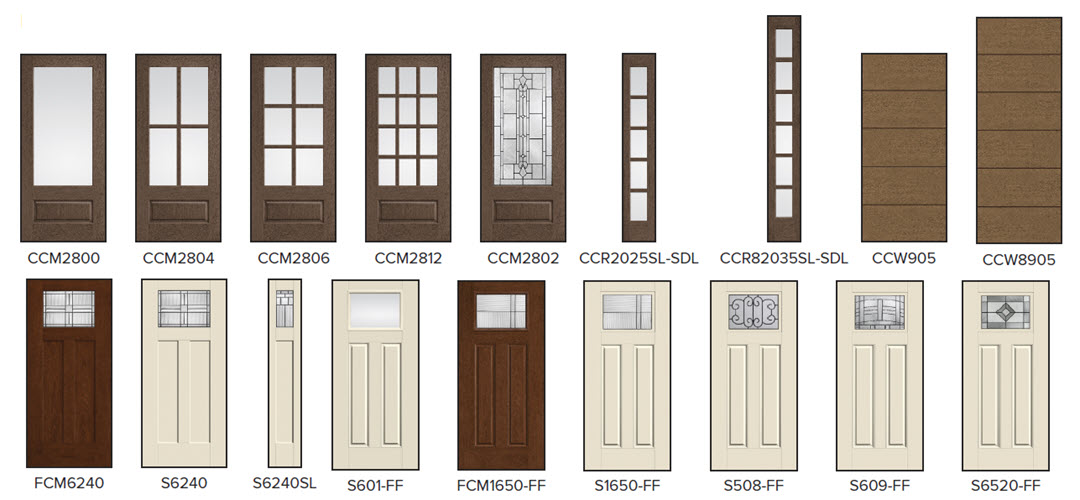
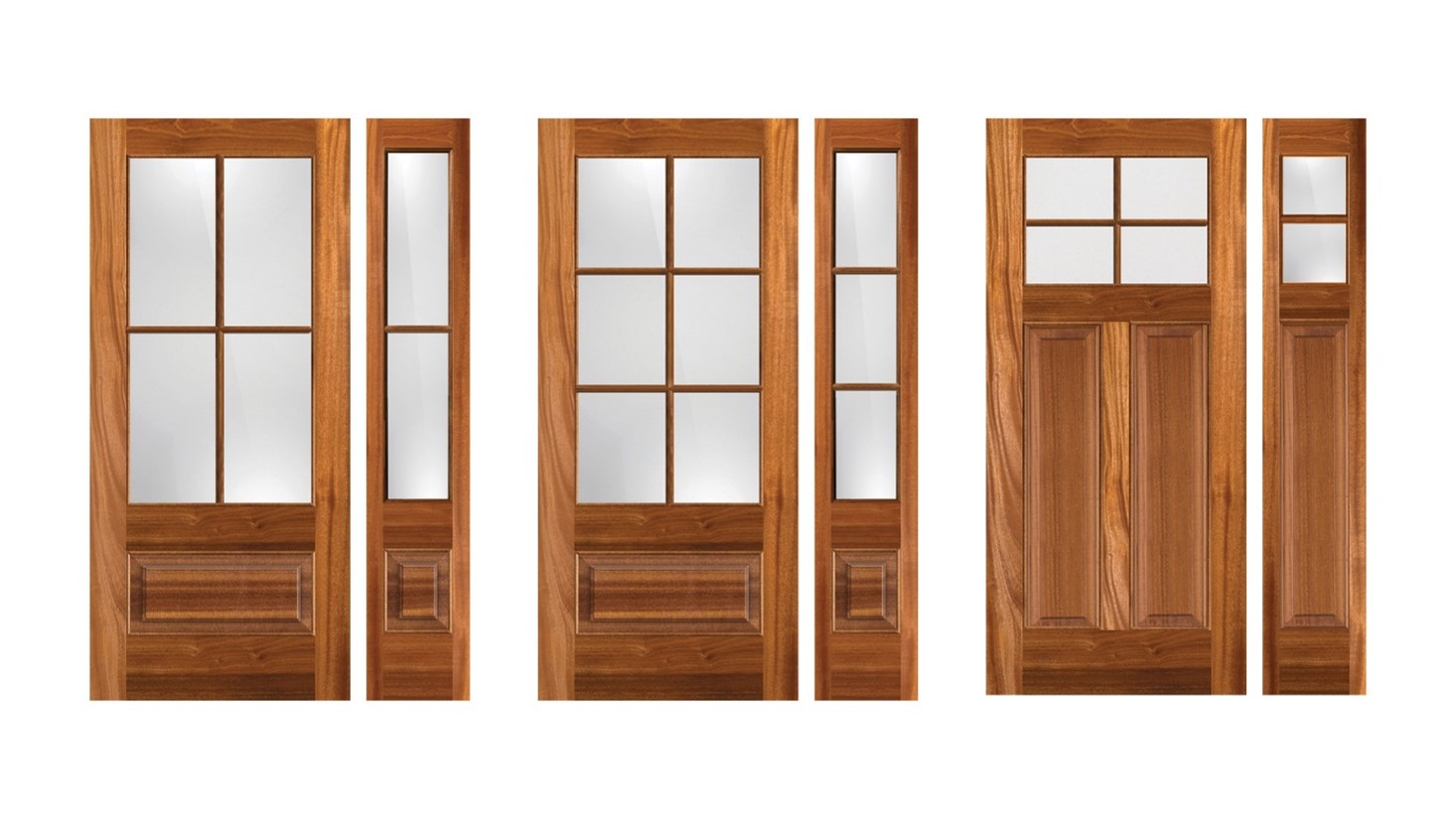
Classic Craft Mahogany-grained 3/4 lite flush-glazed doors bring an updated look to virtually any home. Classic Craft Walnut doors feature a horizontal grain with natural movement accented by delicate arches and cathedrals.

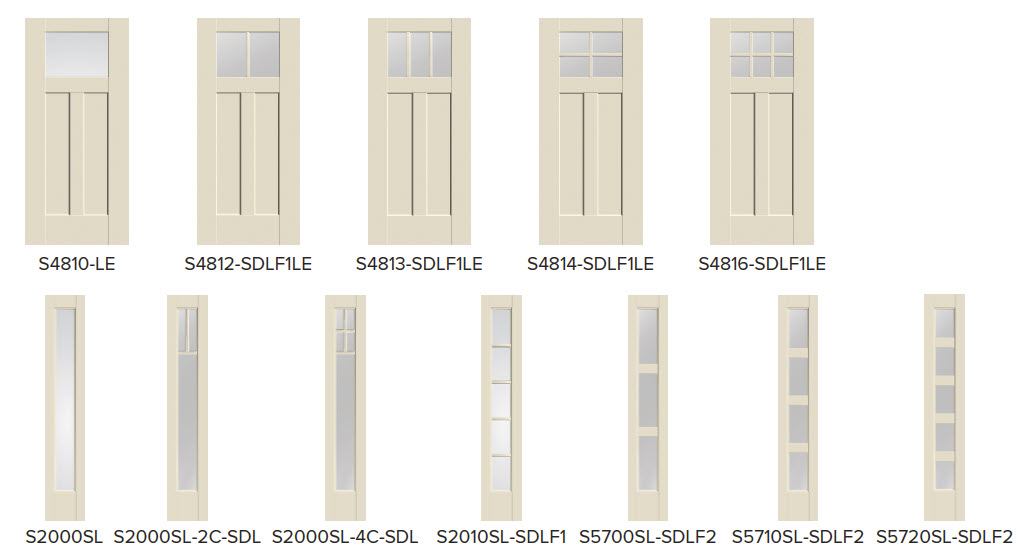
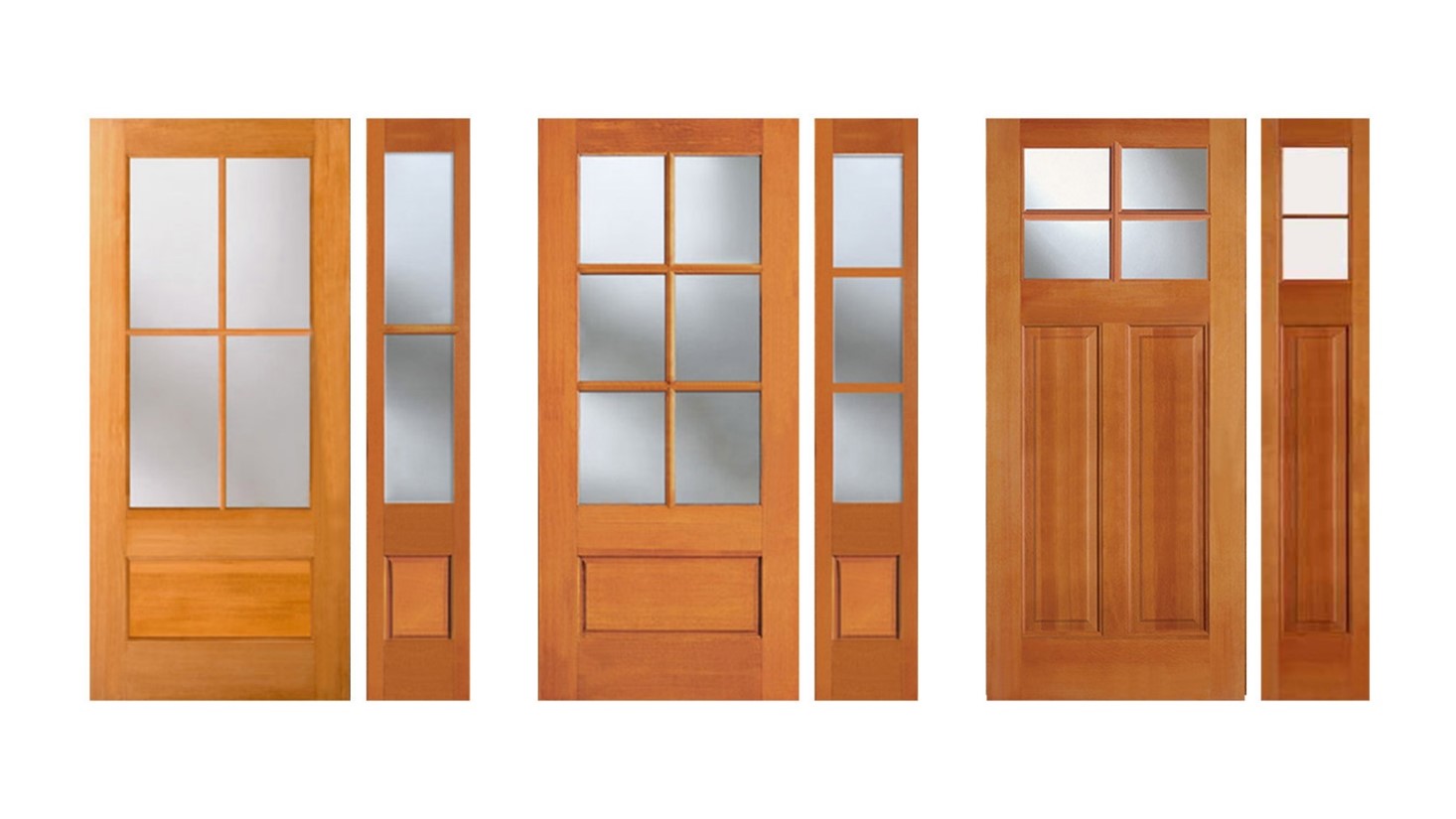
Shaker-style Fiber-Classic and Smooth-Star Craftsman doors and sidelites are available with flush-glazed Saratoga decorative glass. A myriad of other craftsman lites are now available with a modern appeal due to the flat frame. The popular Shaker-style look expands to include 7’0” heights, bringing this on-trend design to more homes and feature an elevated bottom rail for ADA applications.


White Pine

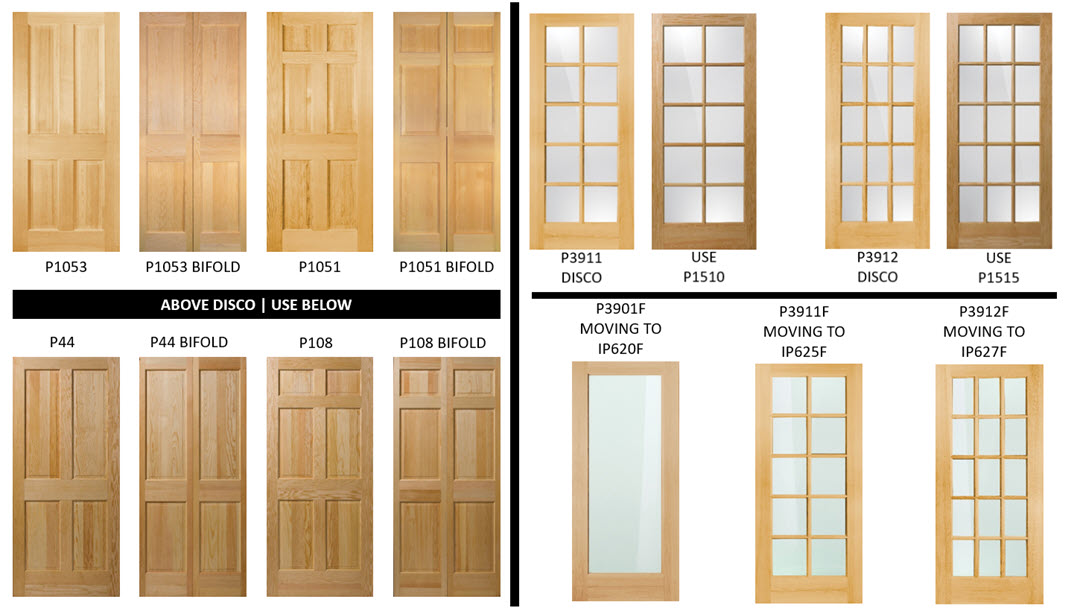
Our offering of white pine doors is discontinued. If the customer wants a panel door, please refer them to our Ponderosa Pine Doors. If the customer wants a clear glass door, please refer them to our Ponderosa Pine Doors. If the customer wants a frit glass door, please inform them we are replacing the white pine with plantation pine frit glass doors which will arrive later this year.


Pinless Nantucket

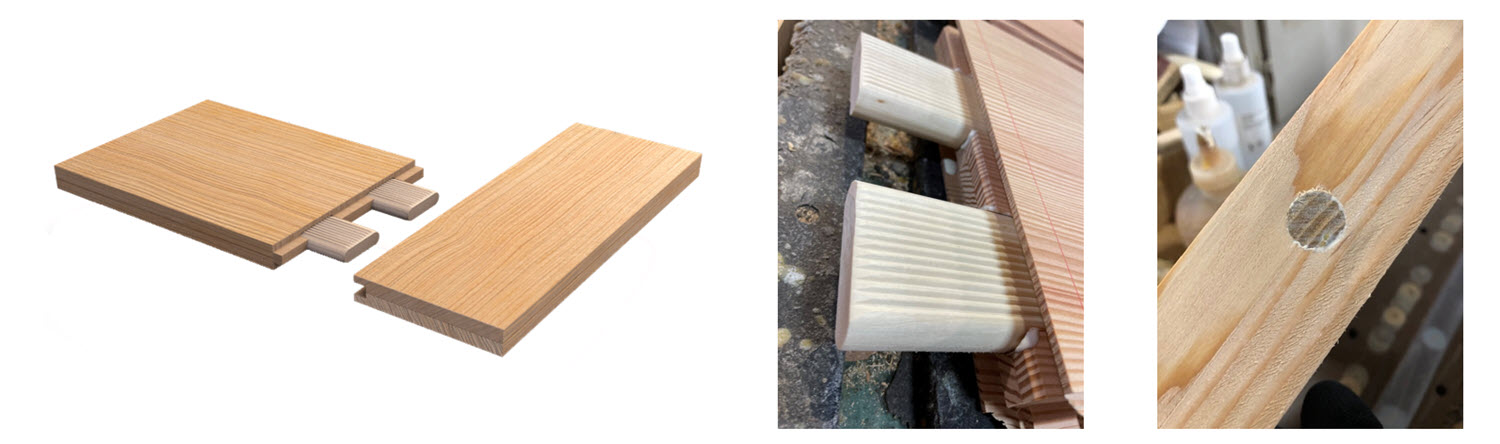
Simpson has launched a new option of a Pinless Nantucket door. These doors have the same stile-and-rail construction, but use a taller, grooved tenon that grips the mortise pocket.

With this joinery method, the door looks like a normal door but has the same performance as a Nantucket door. It maintains a 10-year warranty with no overhang required. Reeb will be adding 6 Pinless Nantucket doors along with their accompanying sidelites into stock.

Removing Black Tape on Flush-Glazed Doors

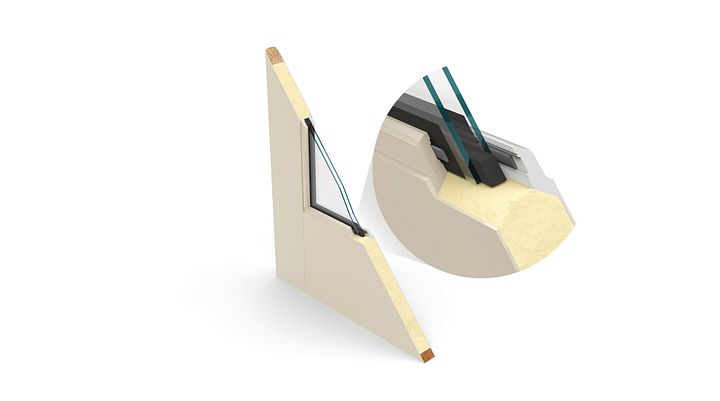
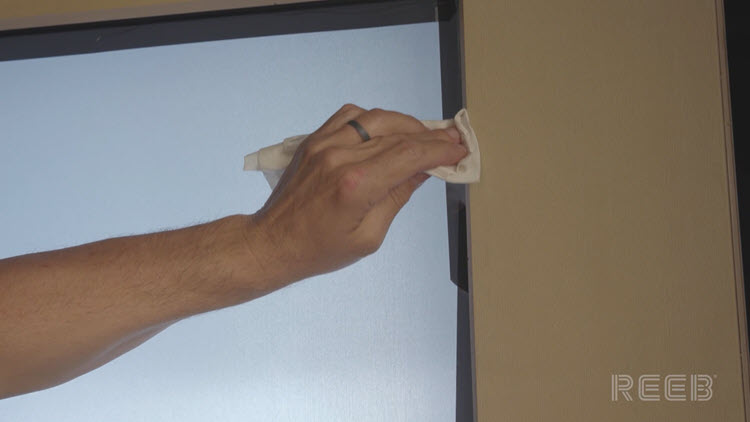
Flush-glazed doors have the glass built directly into the door with a high-performance dual adhesive weather seal. Also included is a black tape around the edge of the glass which provides a clean sight line and prevents finish weep. Once you finish your door, you can remove this black tape.

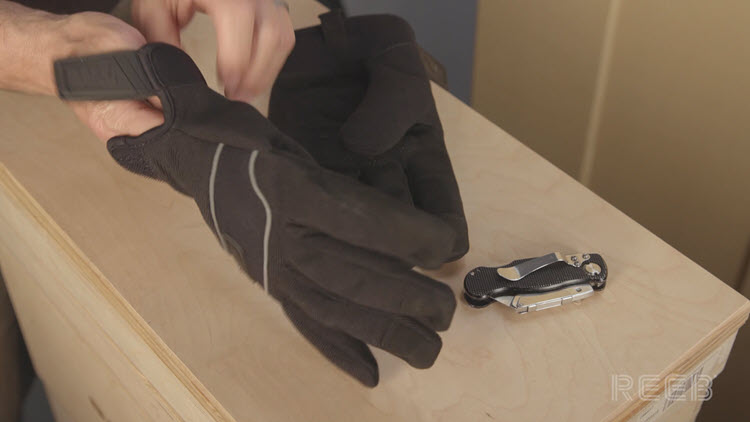
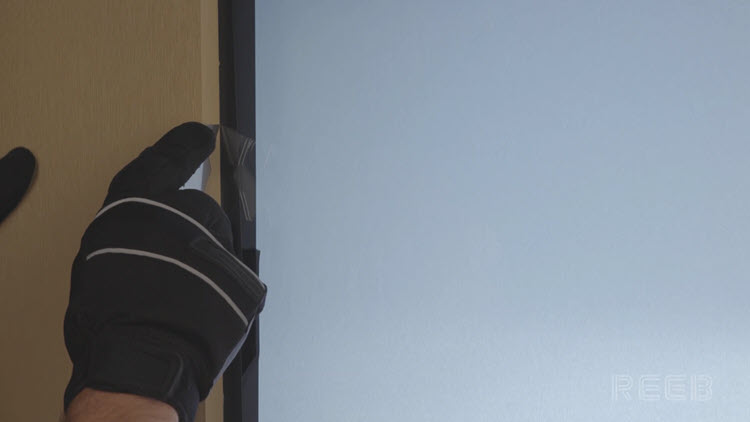
First, you want to grab a pair of gloves for safety. Using a sharp tool, cut through the tape along the edge of the glass.

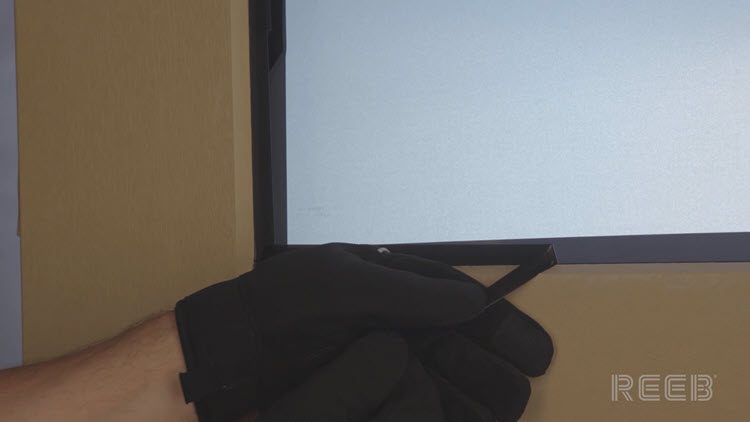
Once all the tape has been cut, peel the tape away from glass. Finally, clean off any remaining tape residue with adhesive remover. Of course, you will want to repeat on the other side.

One last piece of advice – take your time when cutting the black tape. If you rush this step, you could see jagged edges. Once the tape is fully removed, it is time to install the door and enjoy your new entryway.

Flat Casing Joints

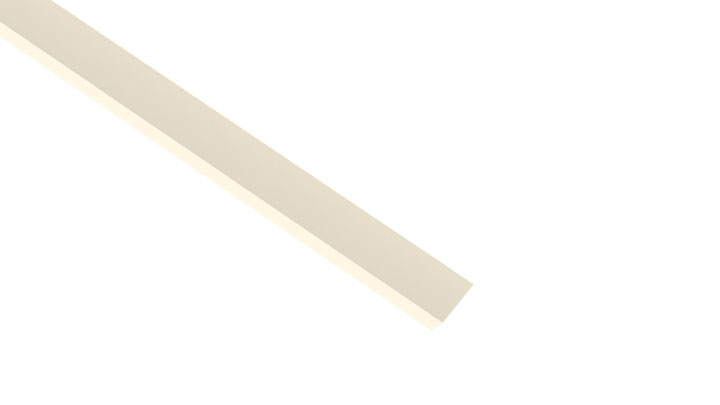
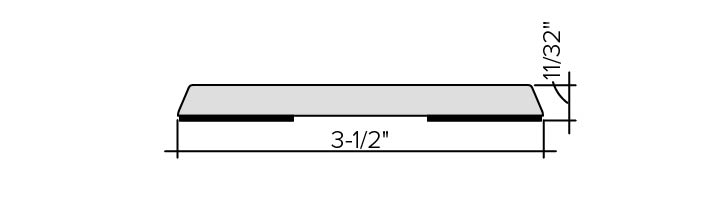
Flat casing can be applied in two ways – with a mitre joint or with a butt joint.

Mitre Joint


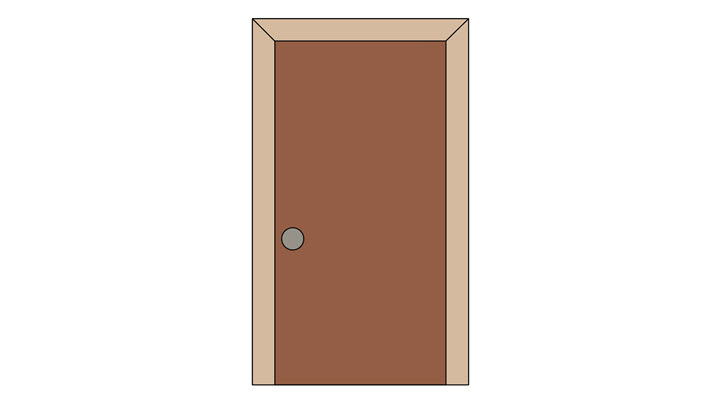
A mitre joint is when the head and leg pieces of casing meet at a 45 degree angle.

Butt Joint


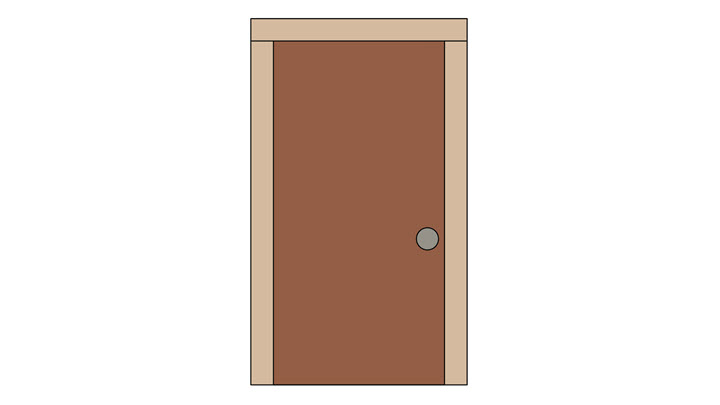
A butt joint is when the head and leg pieces of casing meet at a 90 degree angle.

Mira-Tec Flat Casing

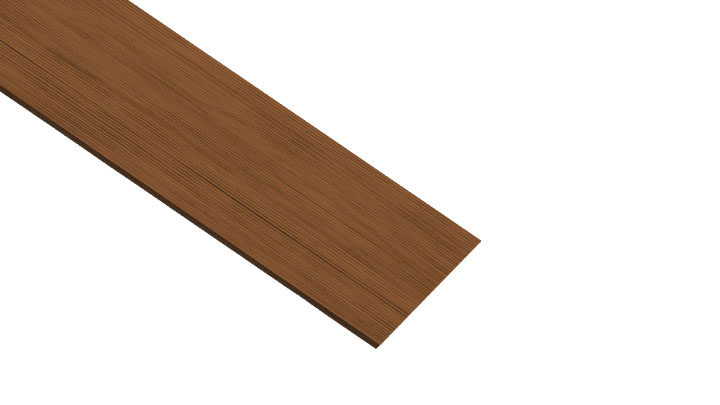
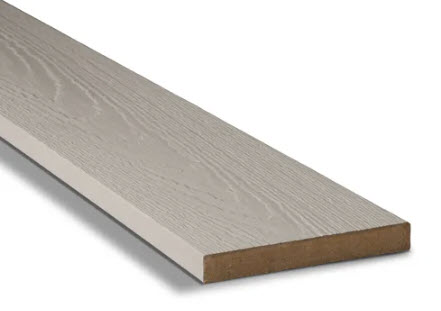
Made from the patented TEC™ process, MiraTEC Treated Exterior Composite trim combines the eye-catching beauty of authentic woodgrain with the long-lasting performance of an engineered product. Because it is not hardboard, MiraTEC trim will not delaminate. It is also moisture, rot and termite resistant, and is backed by a 50-year limited warranty.

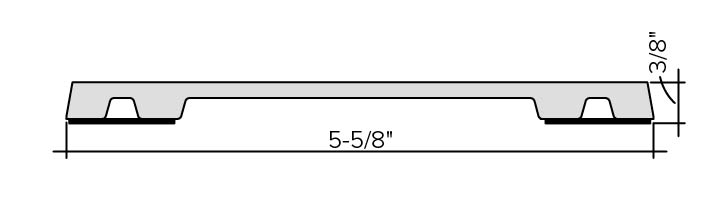
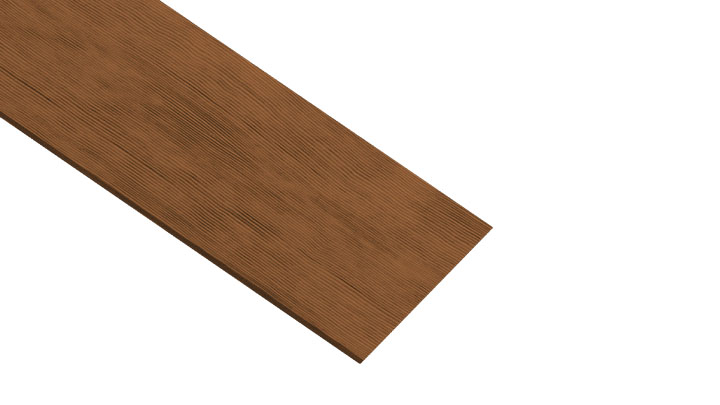
Mira-Tec is a primed exterior composite casing that is grained on one side and smooth on the other. It comes in long lengths and is cut for application to our units. It can be applied either textured side out or smooth side out. The grained side of the material resembles that of the rough side of a raw cedar plank.

For more information about Mira-Tec click here.

Fire Door Labels

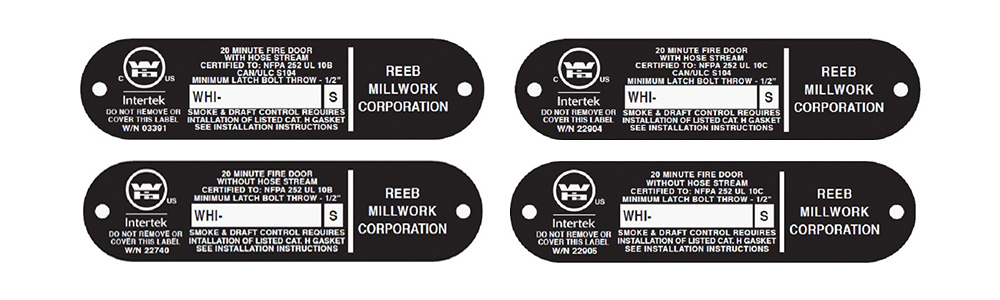
20-Minute Fire Labels

The 20-minute fire labels, which are made of a metal material, now indicate both the pressure rating (neutral and positive) and the hose stream rating (with or without).

  • The 20-minute neutral pressure without hose stream label is applied to the Therma-Tru fiberglass fire doors, the Therma-Tru steel fire Doors, and the residential flush 20-minute fire doors.
  • The 20-minute neutral pressure with hose stream label is applied to the Simpson fire doors and to the Steves molded fire doors.
  • The 20-minute positive pressure without hose stream label is applied to the ABS SCL core flush doors, Therma-Tru doors, and the RSP Primed 20-minute 1 Panel Flat fire doors.
  • The 20-minute positive pressure with hose stream label is applied to the Simpson fire doors and the RSP Primed 20-minute doors (except 1 Panel Flat).

Hose Stream Test

After a door goes through the 20-minute burn test, the door is hit with cold water that is the pressure of a fire hose.

If after this, the door remains intact and locked in the frame, it passes and will have the with hose stream label. Otherwise the door will need the without hose stream label.

90-Minute Fire Labels

The 90-minute fire labels, which are made of a mylar material, transitioned to a new looking label. Nothing with the doors or process is changing.

  • The 90-minute neutral pressure is applied to the RSP 24 Gauge Steel Edge 90-minute fire doors.
  • The 90-minute positive pressure is applied to the Hollow Metal 90-minute and RSP 22 Gauge Steel Edge 90-minute fire doors.

Additional Notes

The RSP primed fire doors will continue to be labeled as they have been. The commercial fire doors will not change at this time.