Standard Fiberglass Collections

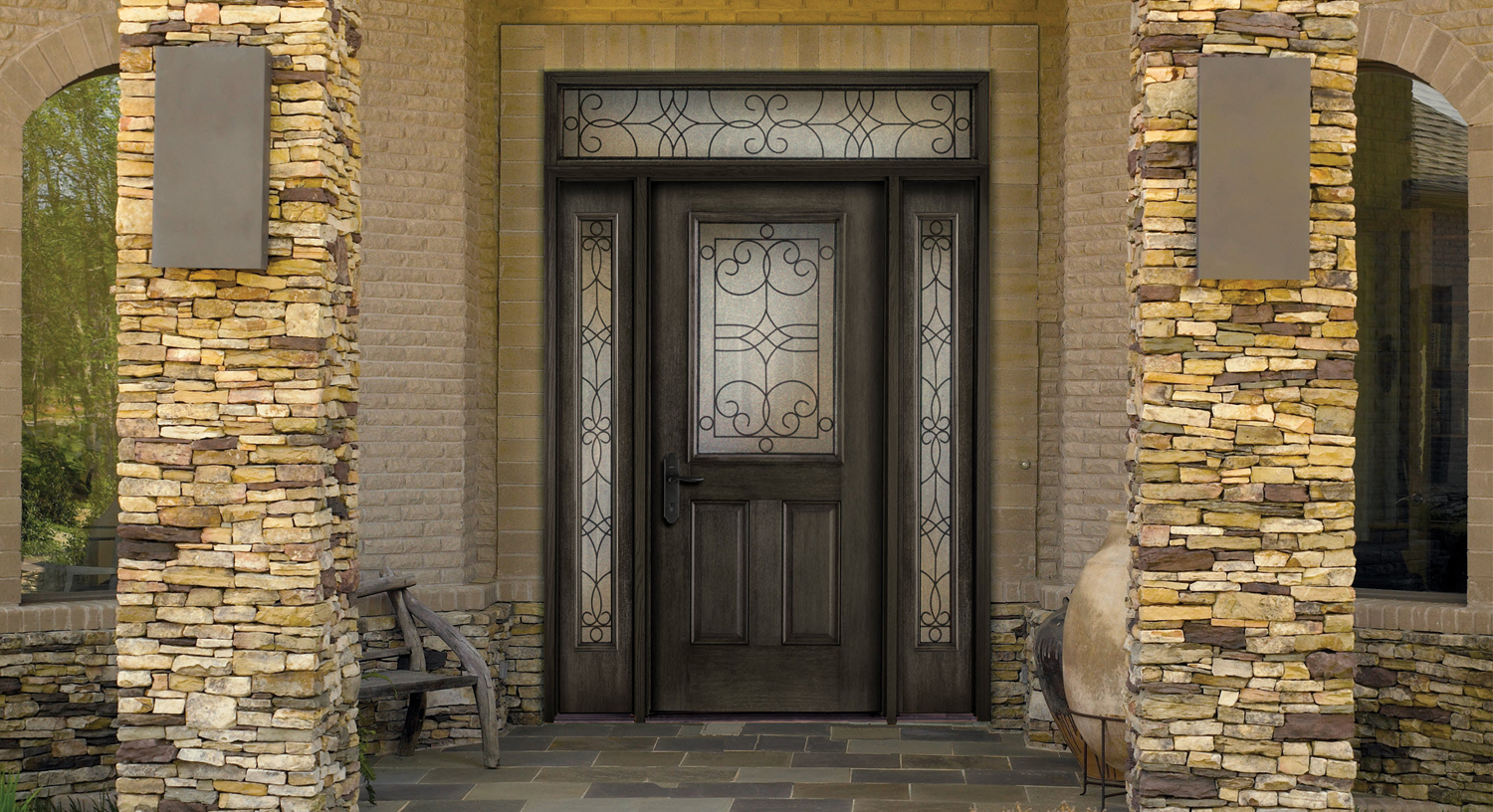
Choose from two wood-grained collections for the perfect fiberglass door to fit a variety of home styles at an excellent value. Fiber-Classic Mahogany complements rich wood tones in home interiors, extending the look to the outside with beauty and elegance. Fiber-Classic Oak is the door that started the fiberglass revolution, featuring the distinctive look of natural Oak graining.
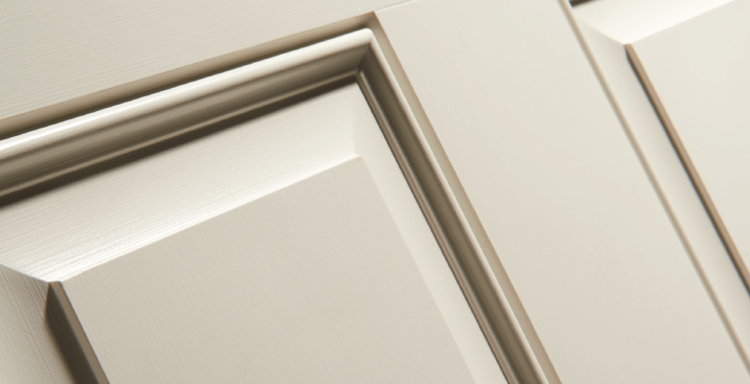
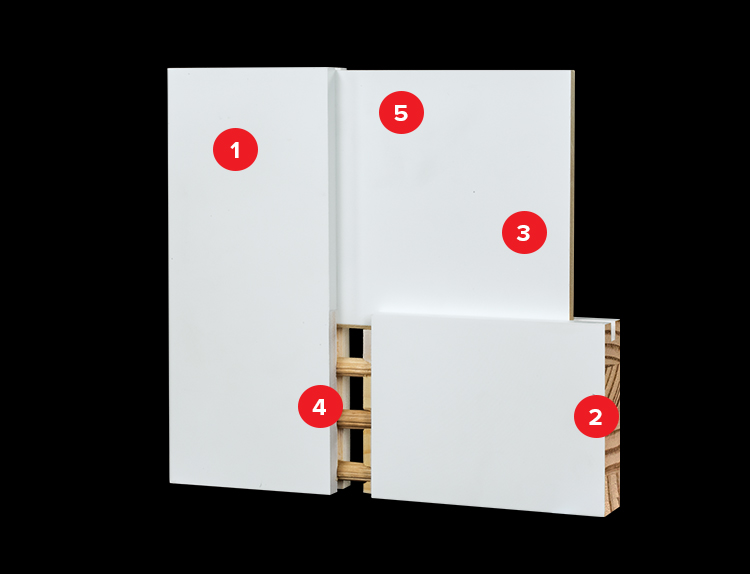
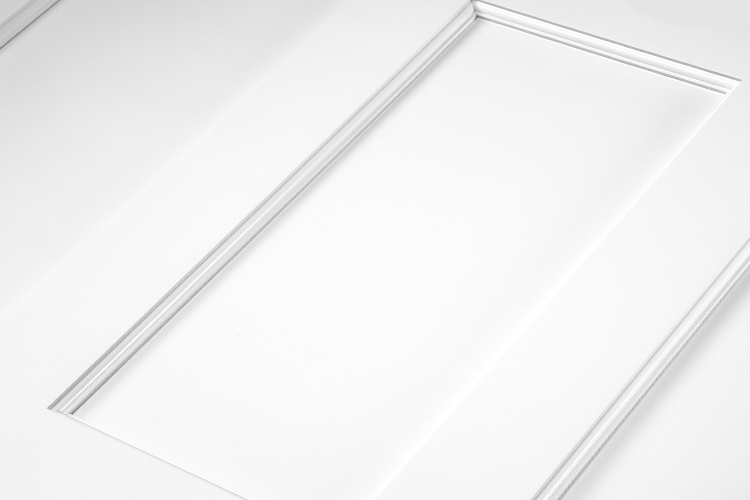
Smooth-Star is the answer when the best look for the home is delivered in a sleek, paintable package. The more attractive and durable alternative to steel, Smooth-Star fiberglass doors are ready-to-paint with crisp, clean contours that meet the needs of homeowners seeking more color options for their doorways. Features smooth, ready-to-paint surfaces.

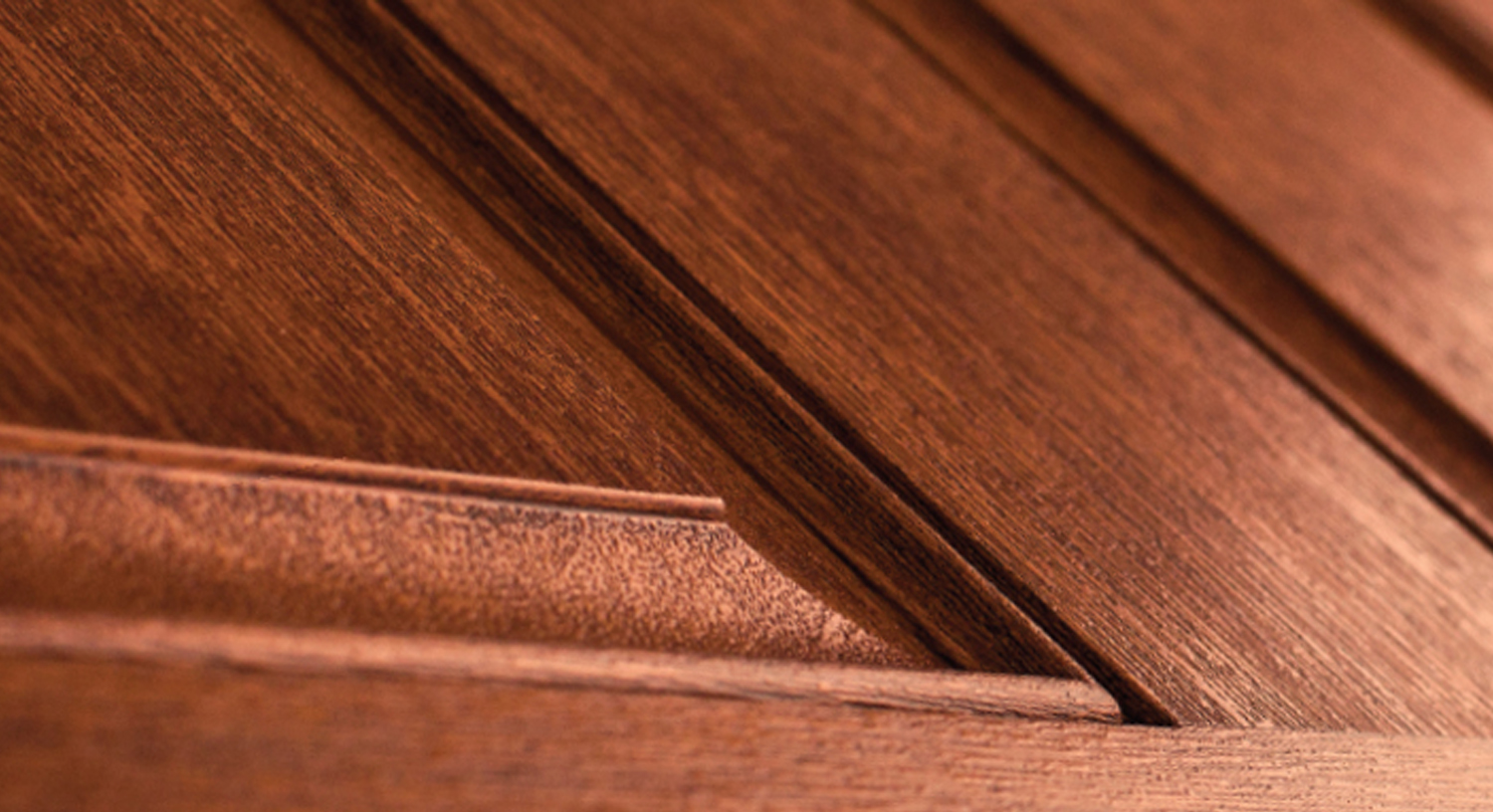
Fiber-Classic Mahogany

Features deep Mahogany graining to complement homes with richer wood tones.


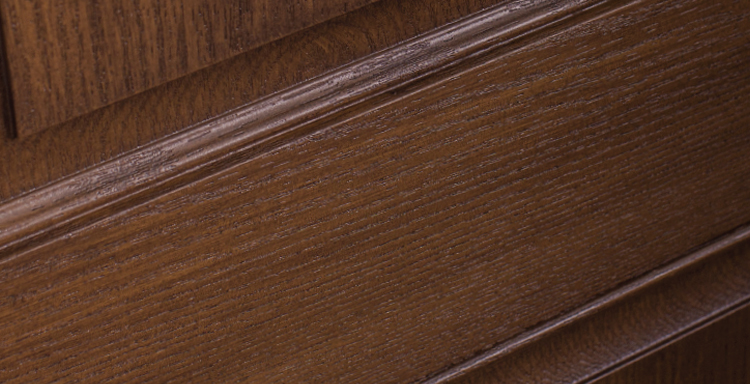
Fiber-Classic Oak

Features the warm look and feel of Oak graining.


Smooth-Star

Café Doors

Note: Cafe doors are no longer offered. This information will remain available as a reference.

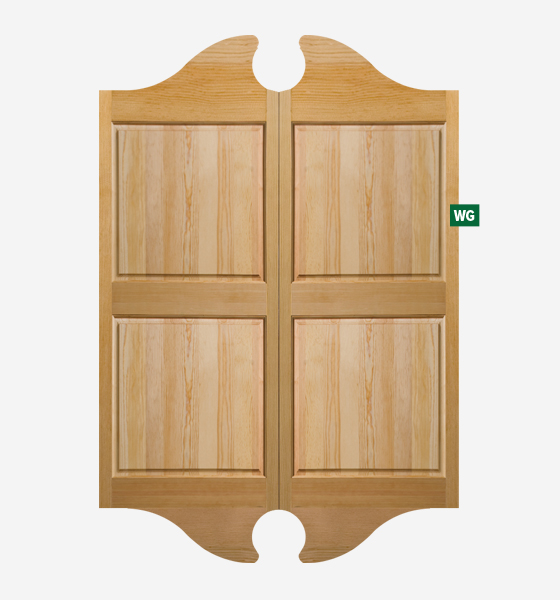
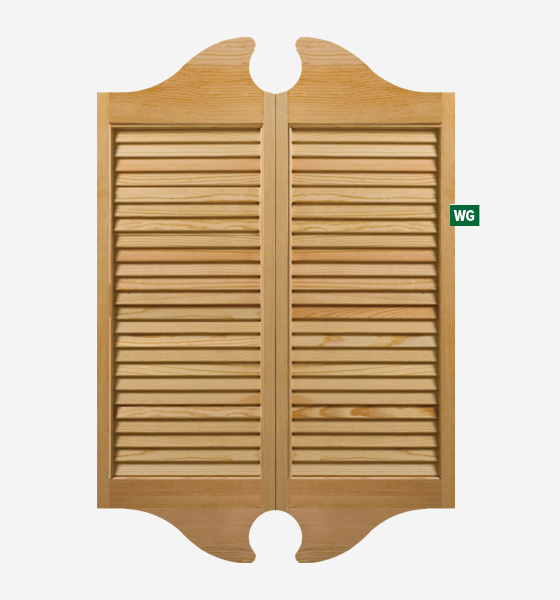
Café doors are typically used between a kitchen and dining room to provide partial separation between the rooms. A 3/0 café door will fit a Finished Opening of 36” and have a height of 43-1/2”.

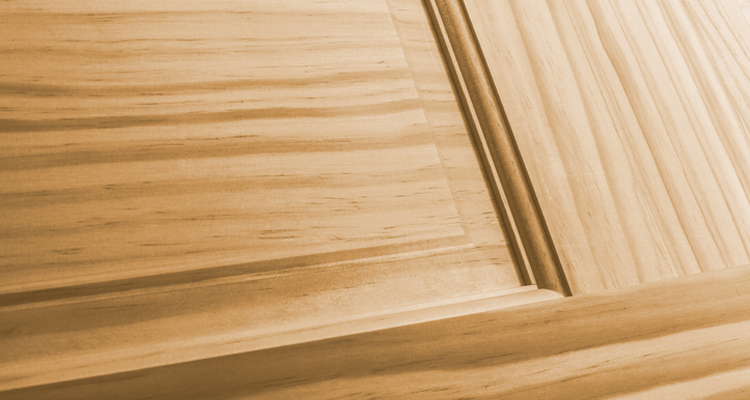
P508 – 9/16” Raised Panel, Ovolo Sticking

P733/P731 – 1-1/4” Louver Slats

Finishing Instructions

General Notes on Finishing:

  1. Before applying the first coat of finish, sand the entire surface lightly with 5/0 sandpaper (180 grit). This is to remove fingerprints and handling marks.
  2. Adjust or alight components if necessary before finishing. Wood panels “float” and may be knocked into alignment with a wood block and hammer. Be careful not to damage door.
  3. After sanding, clean the door thoroughly with a cloth to remove all dust or foreign material. However, avoid using caustic or abrasive cleaners.
  4. All surfaces of the door must be properly finished. The edges (top, bottom and sides) should be coated with each and every coat of finish that is applied to the exterior surface of the door. Doors must be dry before finishing. There can be significant humidity variance in homes from winter to summer and interior millwork will move. Finishing all sides properly protects your doors.
  5. Note: It is the finisher’s responsibility to protect glass prior to and during finishing. If using tape, conduct a test of the tape being used on a small area of the glass before applying to a large surface. After finishing, remove the tape as soon as possible. If the glass has a plastic film protection, removal of the plastic film protection immediately after applying the finish is required. Failure to remove the plastic film at this time may cause harm to the glass and will create difficulty in removing the film at a later time. Do not use razor blades or sharp objects to remove the film or clean the glass. These items will scratch the glass.

Stain

All stained products should use a stain controller prior to staining. Some species stain are better than others. Please see individual species for stainmeter.

A good preparation is critical for good results. Sand the door and keep it very clean, use a tack clothe to remove all particulate matter. Apply stain conditioner following manufacturer’s instructions. Stain product and let dry. Finish with 2 or more coats of finish. Interior clear finishes can be varnish, tung/teak oils, lacquers, etc.

  • Varnish – Varnishes are oil and water based. Oil finishes dry slower, and give the finish coat a slight glow in color. Water based varnishes are fast drying and have little to no color and depth.
  • Oils – Oils, like tung and teak, are wipe on finishes. These dry slow and require many coats (4 or more). They typically give an amber color to the finish.
  • Lacquers – Lacquers are fast drying finishes that are durable and give a nice depth and soft color.

Paint

Unprimed doors should be primed with a good quality primer followed by two or more top coats of a good quality colvent-base or latex enamel paint.


Maintenance

Best results will include a light sanding and thorough cleaning between coats of paint. Do not skip light sanding after applying the coat of primer. Take care not to sand any glass. Let paint dry between coats. Always use top quality brushes, rollers and paint.


Chalkboard Panel Doors

Breaking in a new Chalkboard door:

  1. Wash the chalkboard daily with cool water for one week.
  2. Wash only a small section at a time, immediately rubbing dry with a lint-free cloth
  3. Repeat until the entire surface of the chalkboard has been washed.
  4. After washing, hold a stick of chalk flat on the board and cover the entire surface.
  5. Erase evenly. The chalkboard is now ready to use.

Maintenance Tips:

  1. Clean erasers frequently.
  2. Use white calk rather than yellow or colored chalk, as the pigments can make them more difficult to erase.
  3. Wash the chalkboard weekly if necessary
  4. Look for high grade chalk (95% chalk with 5% binder), as inferior calk may permanently mark the chalkboard.

Glass Options

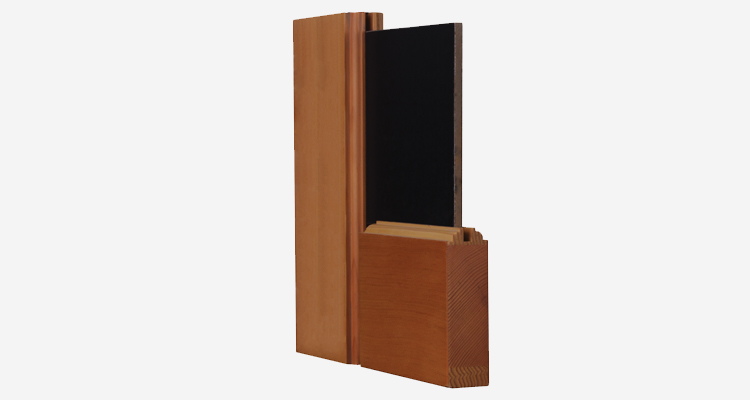
Stile and rail doors are able to include a glass element. Instead of a panel being inserted between the stiles and rail, a piece of glass is glazed into the opening.


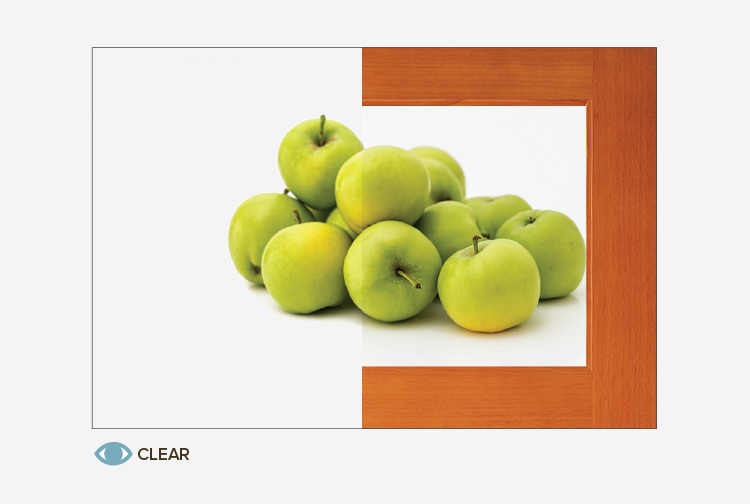
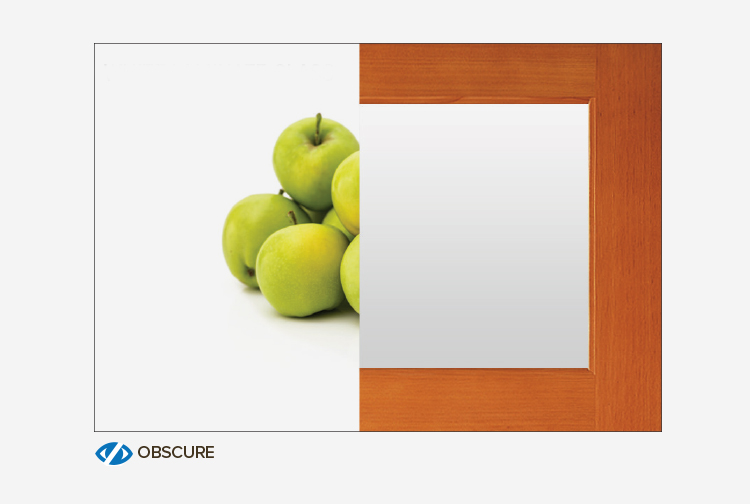
Clear Glass

Clear glass provides the maximum amount of light with no privacy, Clear glass doors are used when privacy is not a concern.


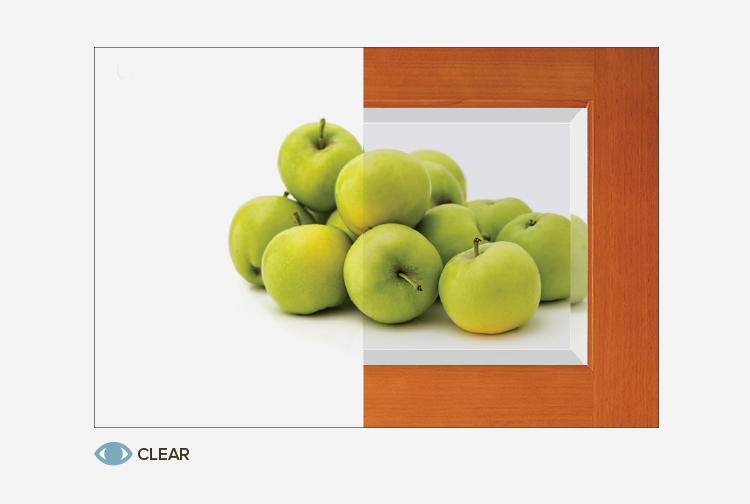
Clear Beveled Glass

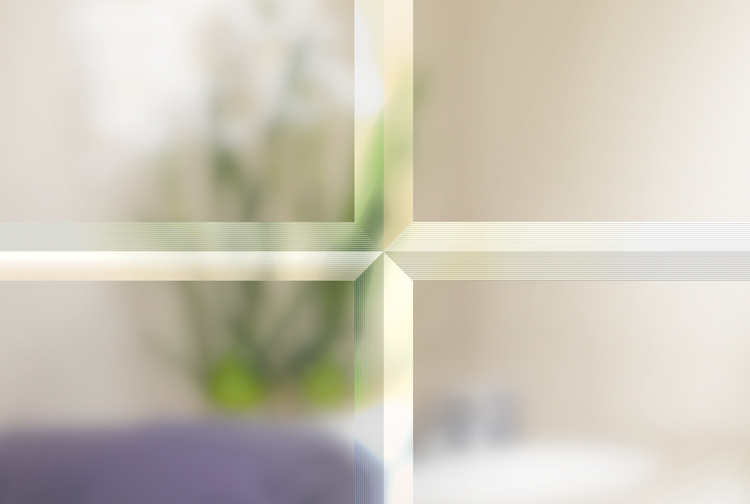
Clear Beveled glass has a bevel to the edge of the glass to provide a decorative element. This glass is considered to be directional, or handed, as one side of the glass is beveled and the other side is smooth. When ordering a door with beveled glass, it should be noted whether the bevel is to the hinge or stop side.


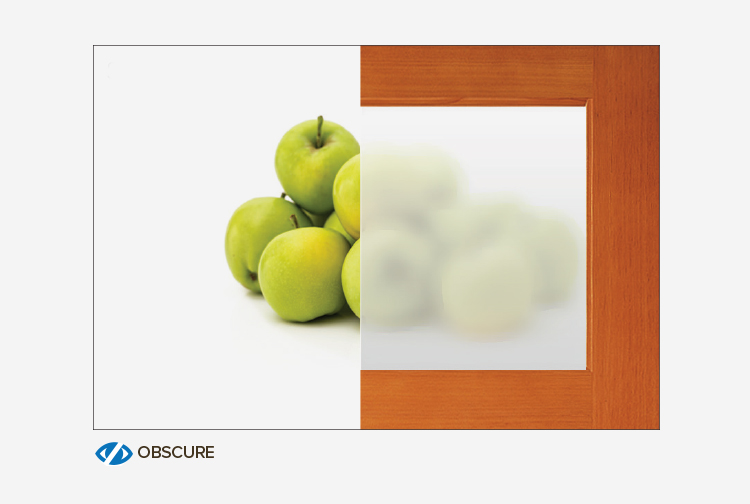
Satin Etch Glass

Satin Etch glass is semi-opaque glass with an etched frosted texture on one side that resists dirt. Satin etch glass is slightly different than clear glass and cannot be used interchangably. This glass is considered directional, or handed, as one side of the glass is slightly textured and the other side is smooth. When ordering a door with satin etch glass, it should be noted whether the texture is to the hinge or stop side.


White Laminate Glass

White Laminate glass offers the highest level of privacy with a vinyl interlayer between 2 pieces of glass, resulting in a smooth surface on both sides making it very easy to clean.


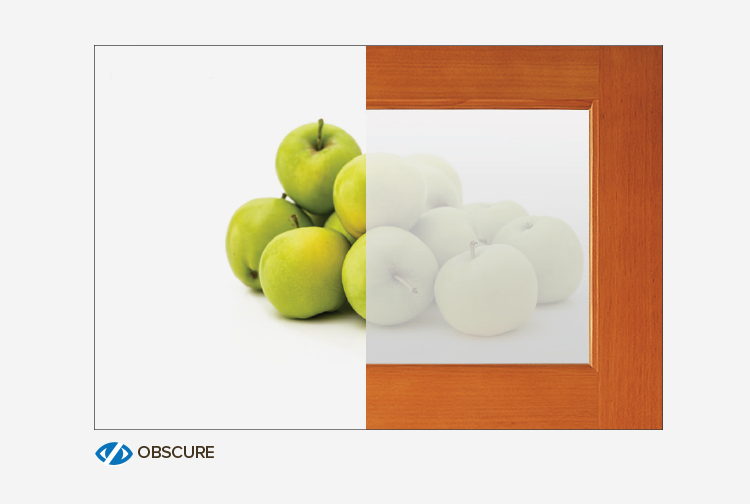
Frit Glass

Frit glass in non-primed wood doors is a non-porous, semi-opaque glass with a texture on one side. The glass has a bright white appearance. Frit glass is slightly different between stainable and paintable doors. To the careful eye it may be noticeable but most people may not see a difference. This glass is considered directional or handed as one side of the glass has a slight texture to it. When ordering a door with frit glass, it should be noted whether the texture is to the hinge or stop side.


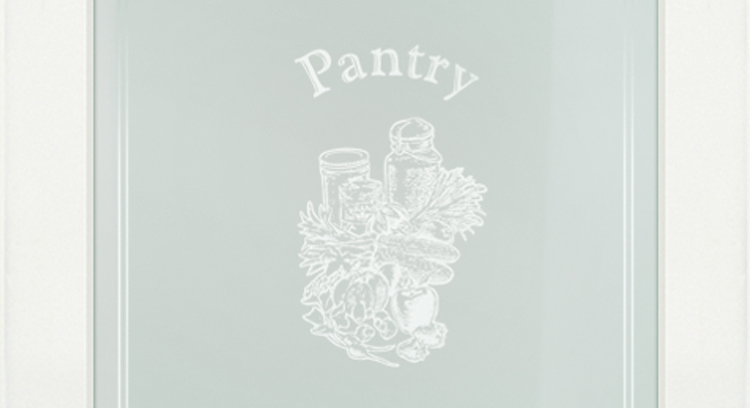
Readable Glass

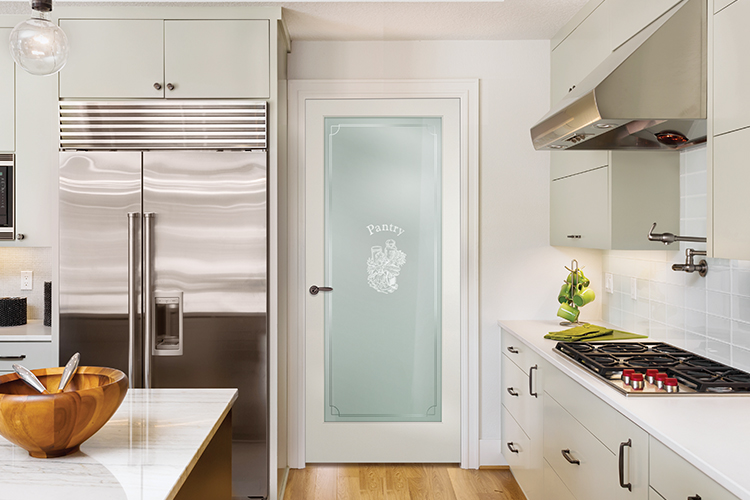
Glass that is “Readable” is glass that has words on it. For example: “Pantry” “Bathroom” “Office”. When ordering a door with readable glass, it should be noted whether the words are readable from the hinge or stop side.


Decorative Glass

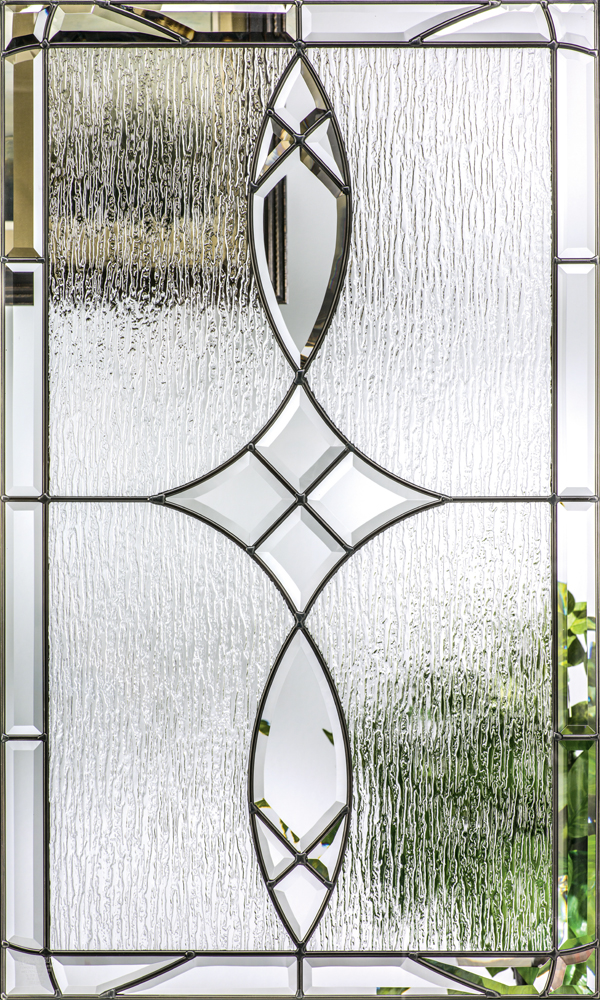
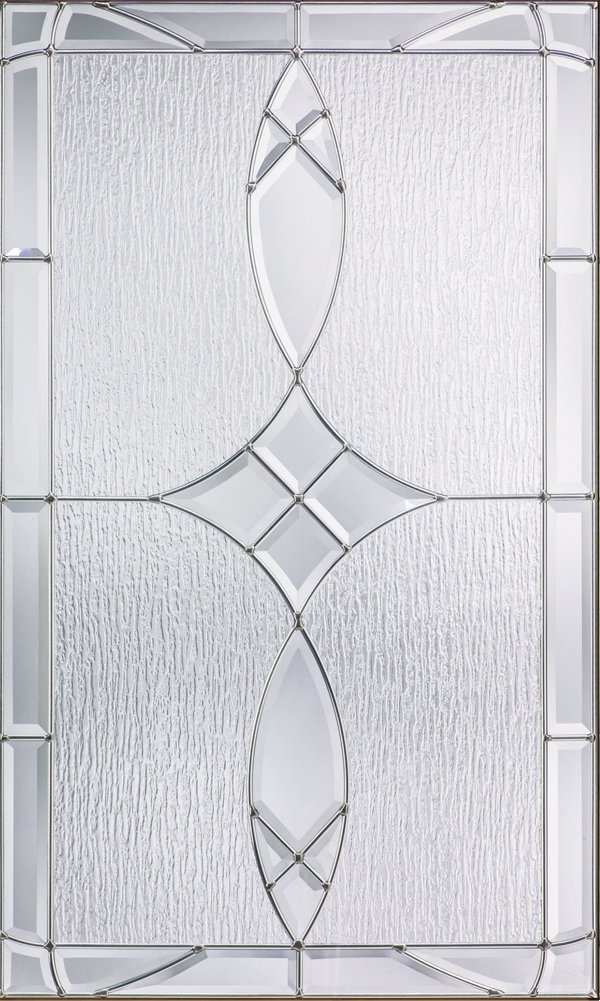
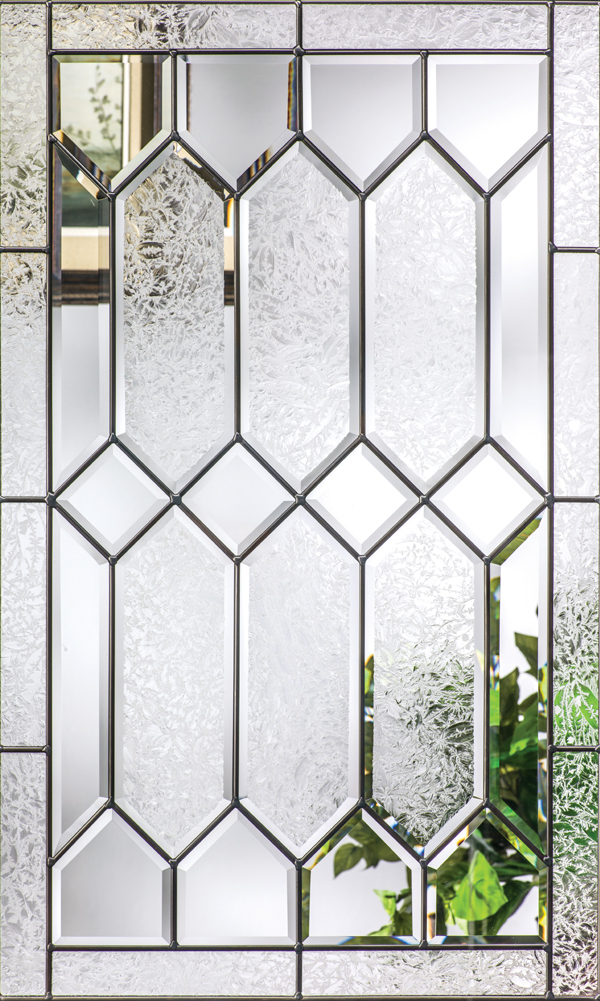
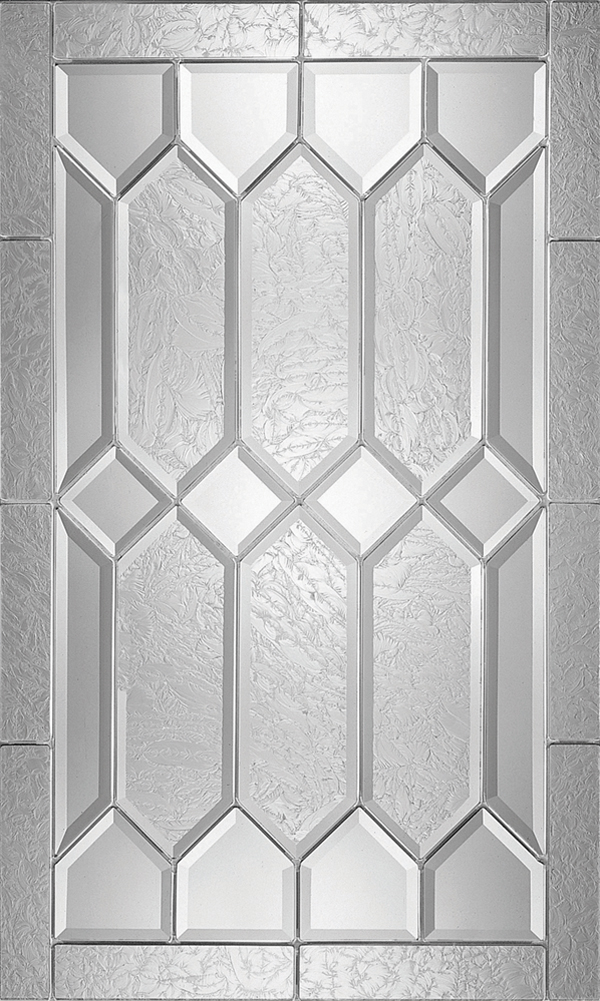
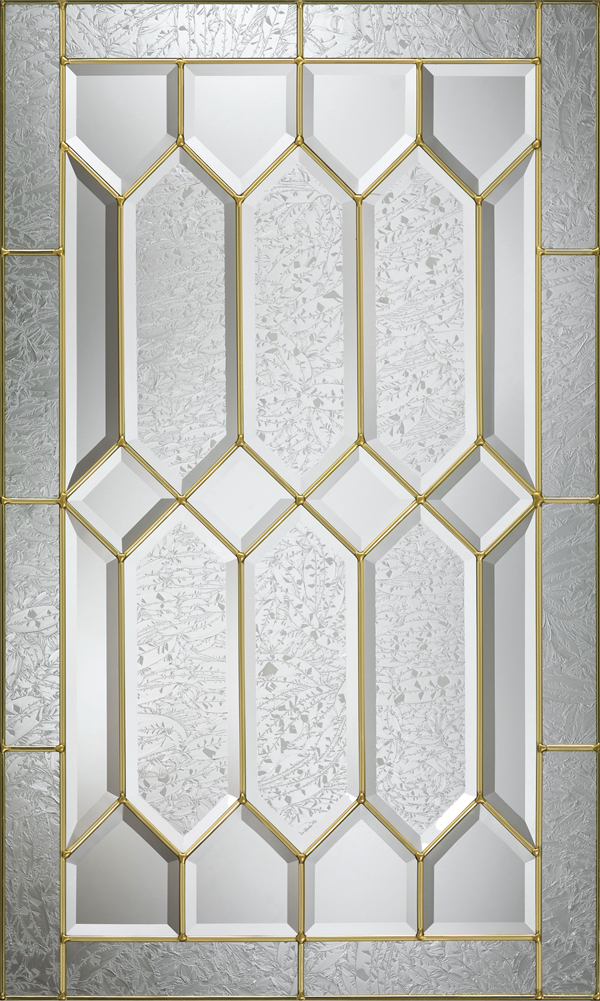
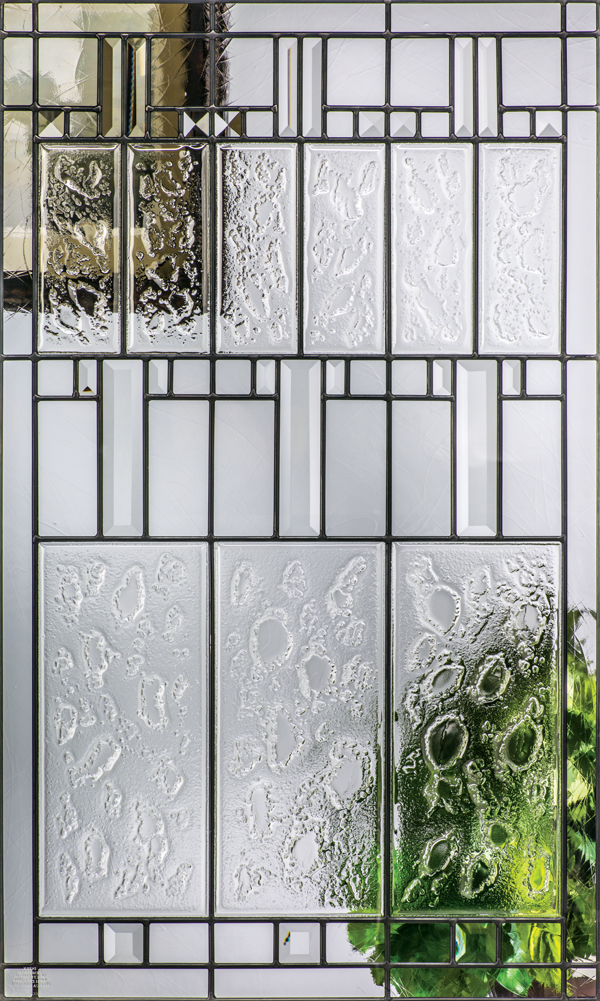
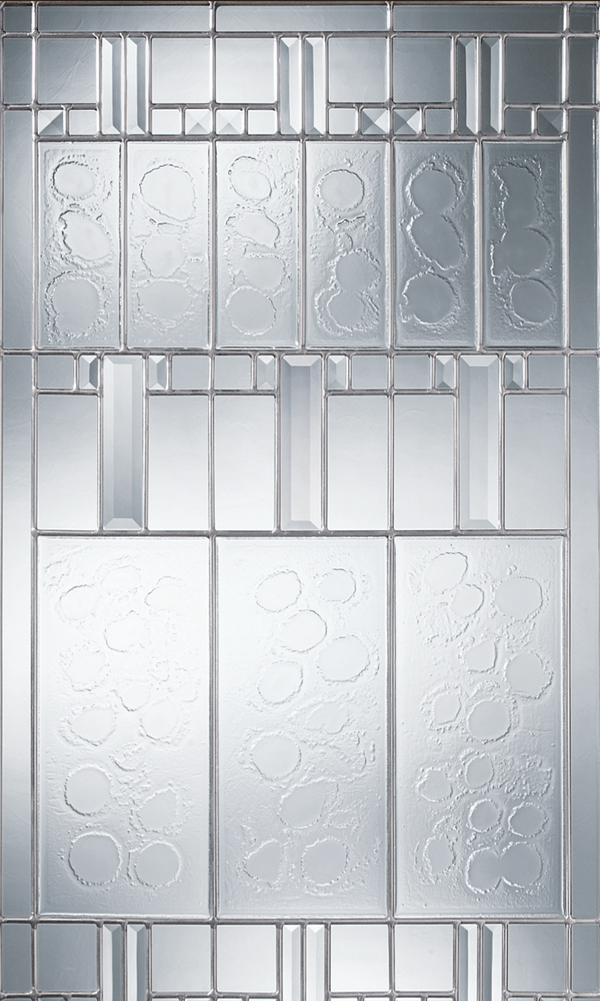
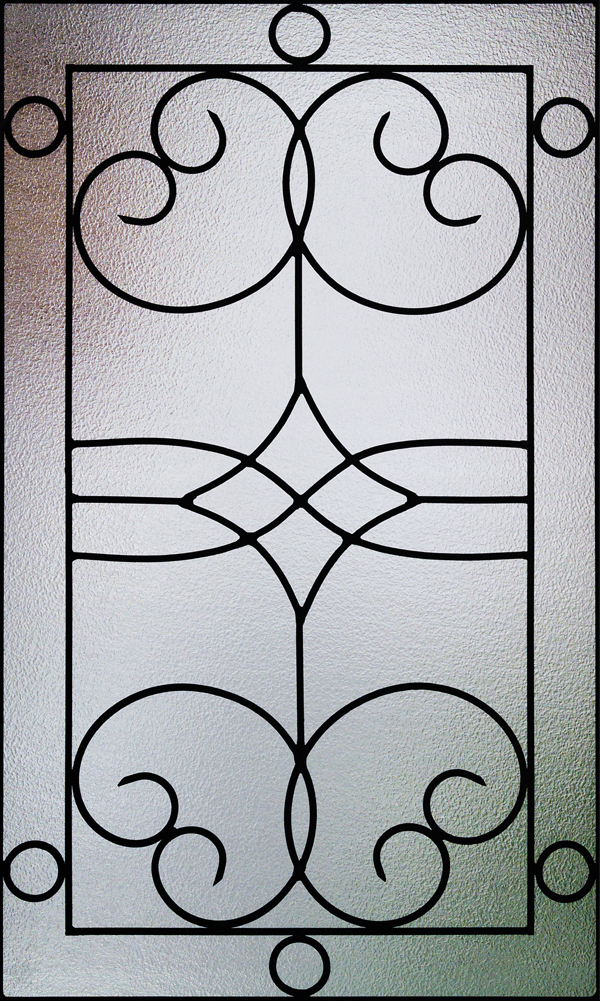
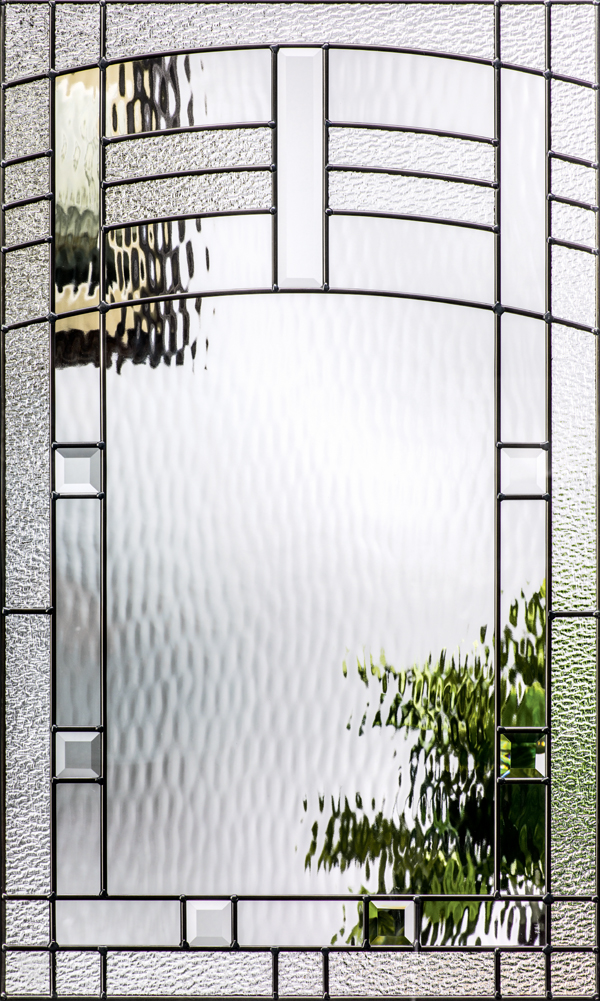
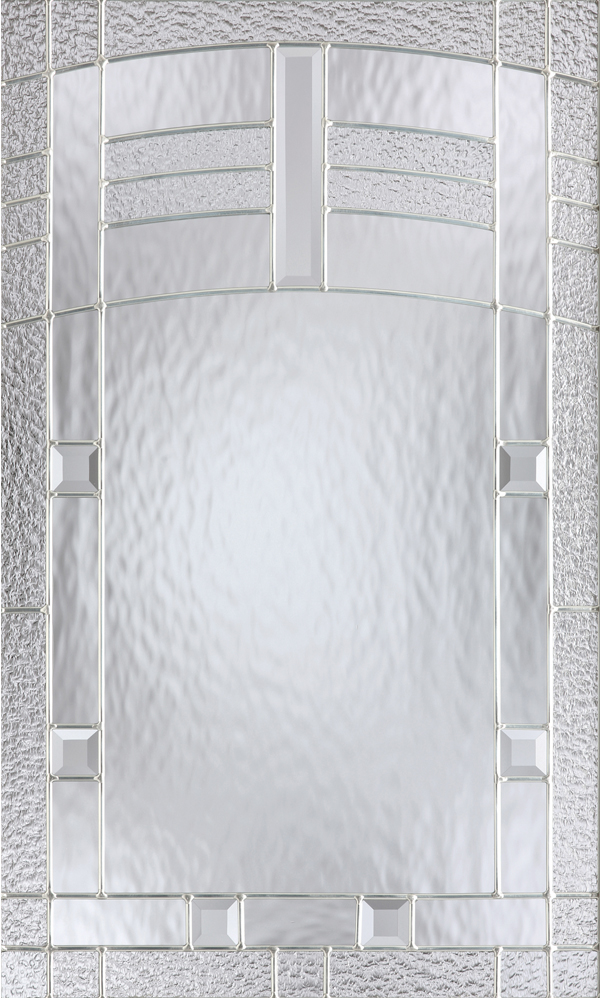
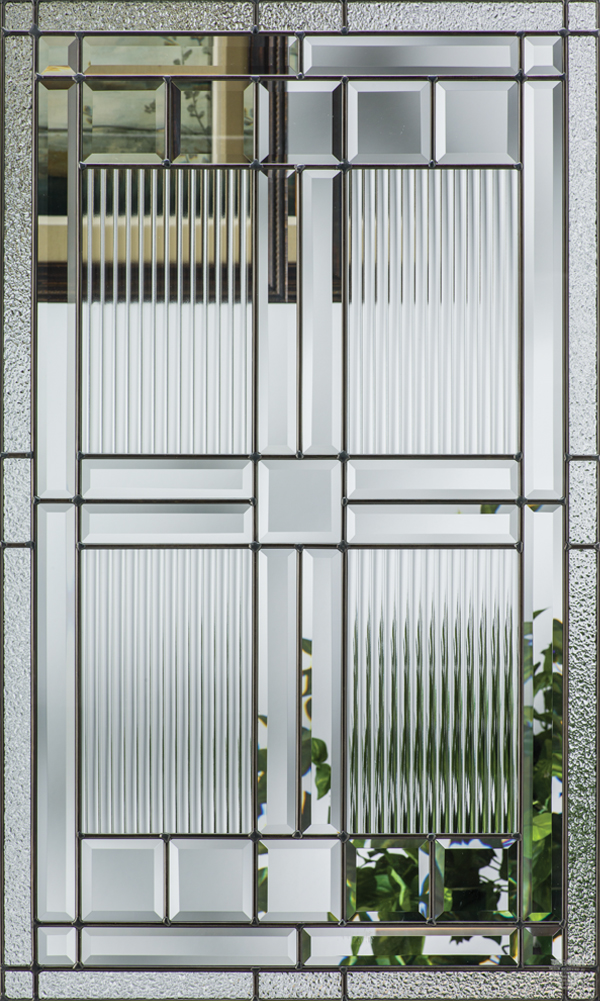
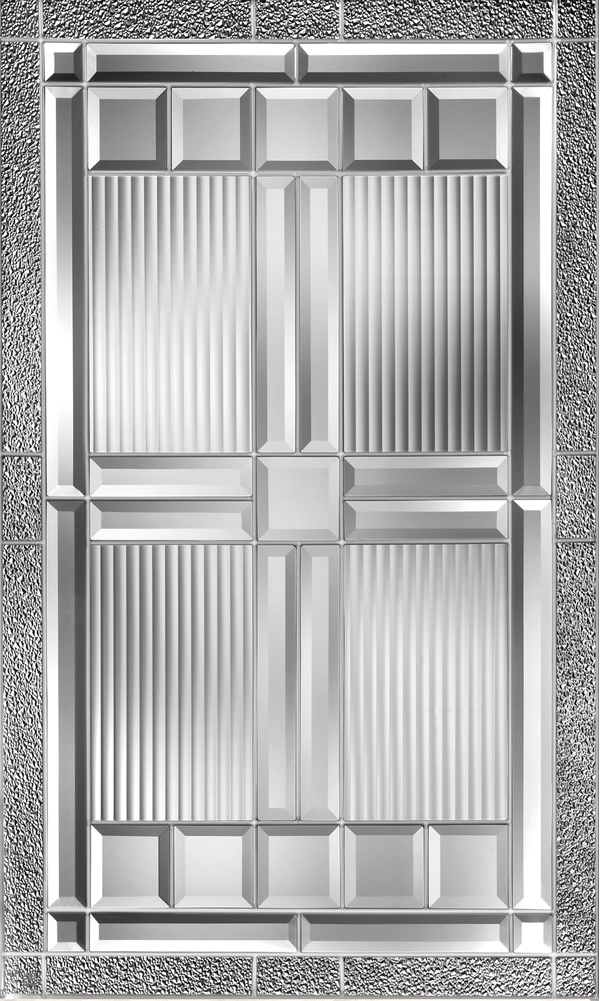
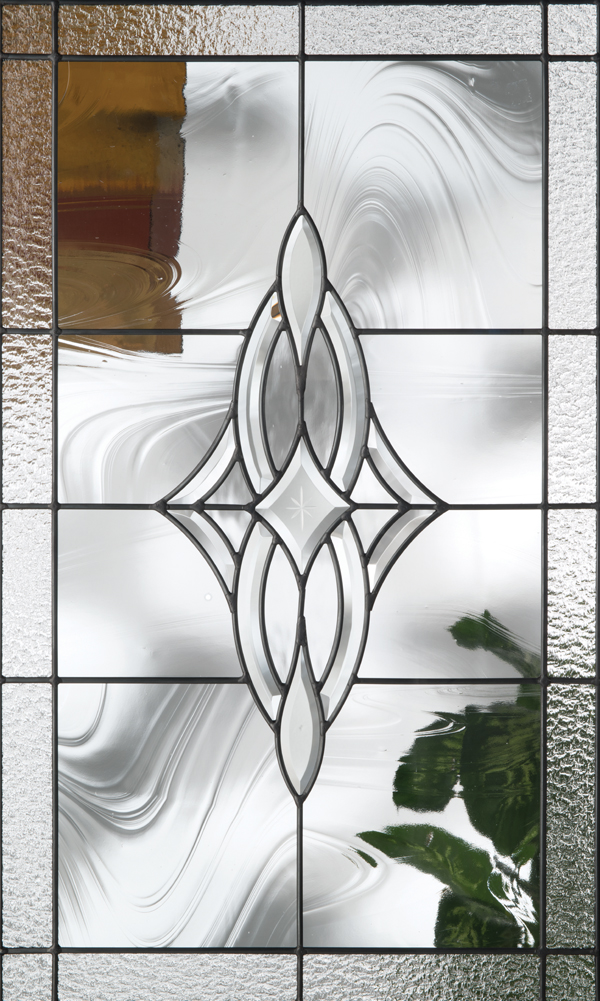
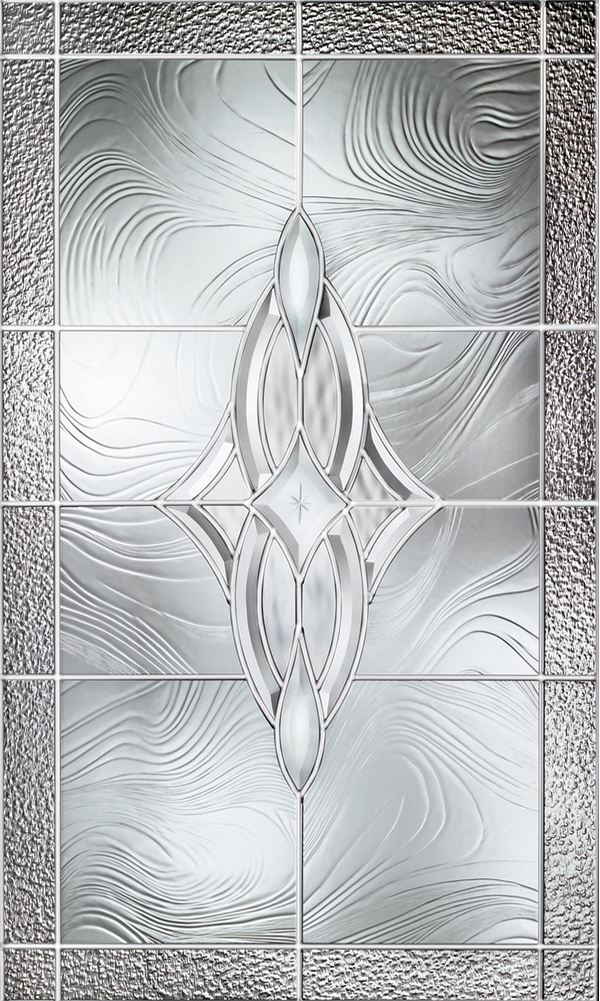
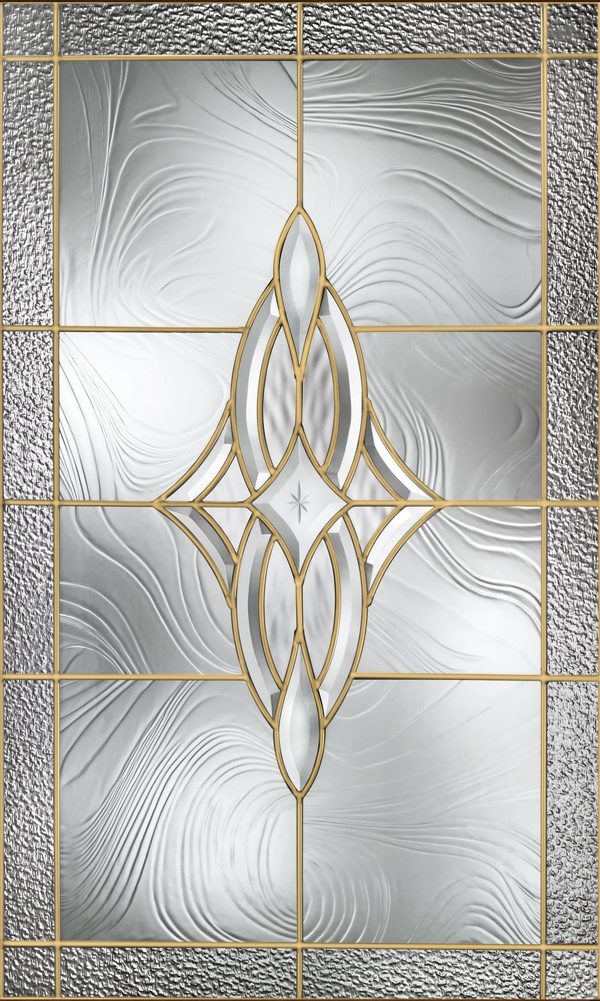
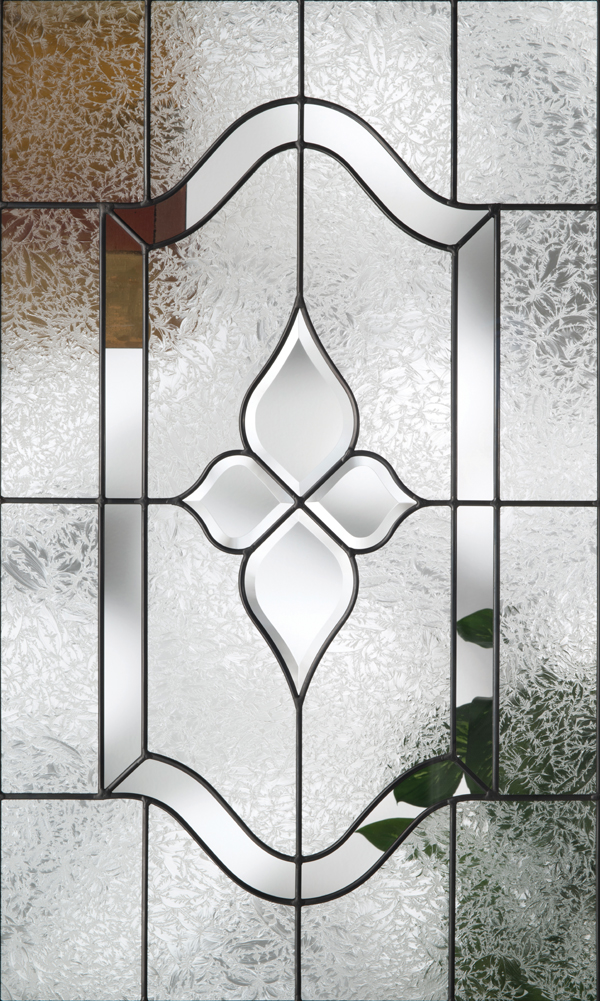
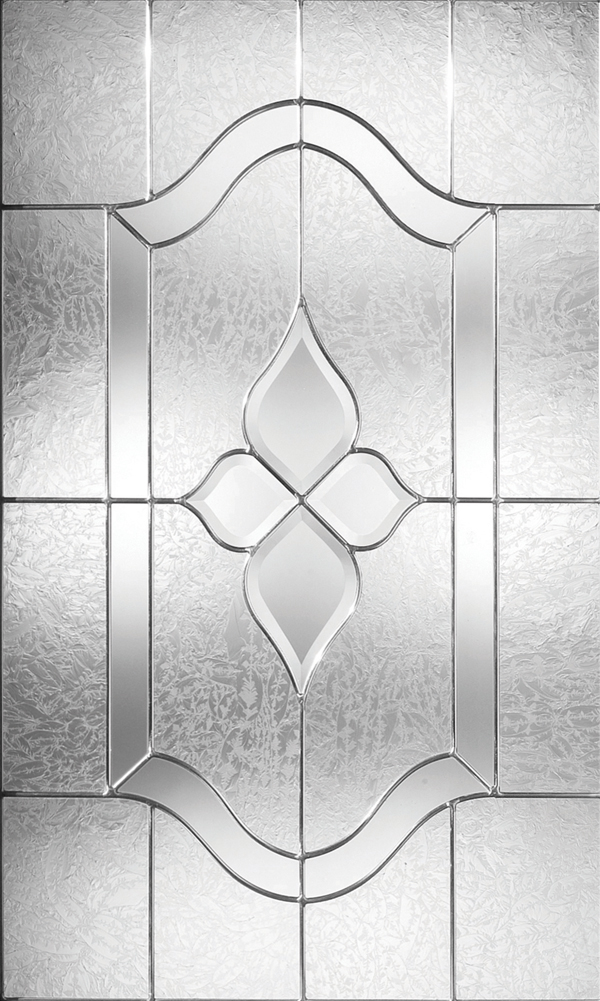
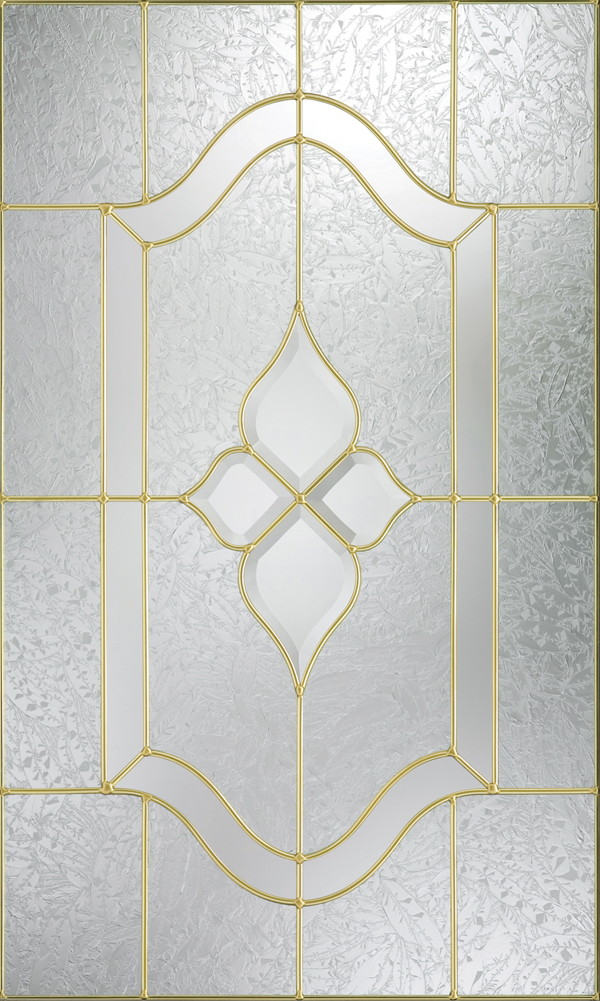
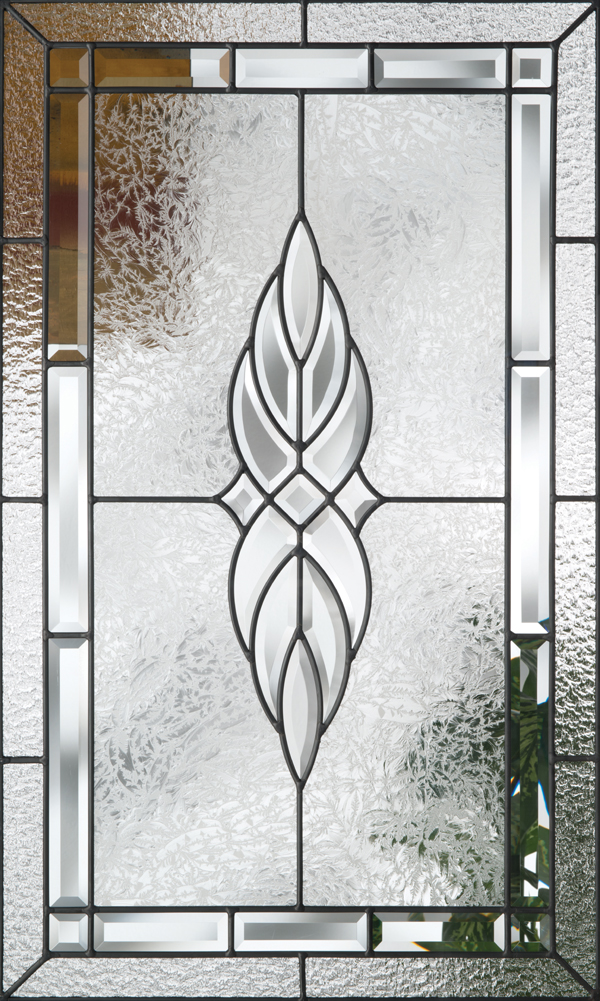
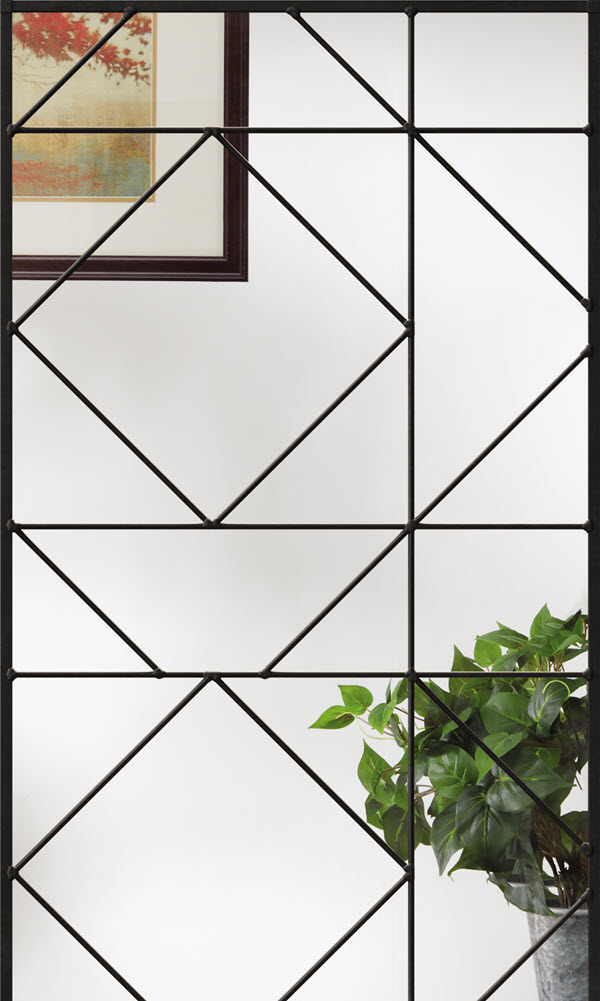
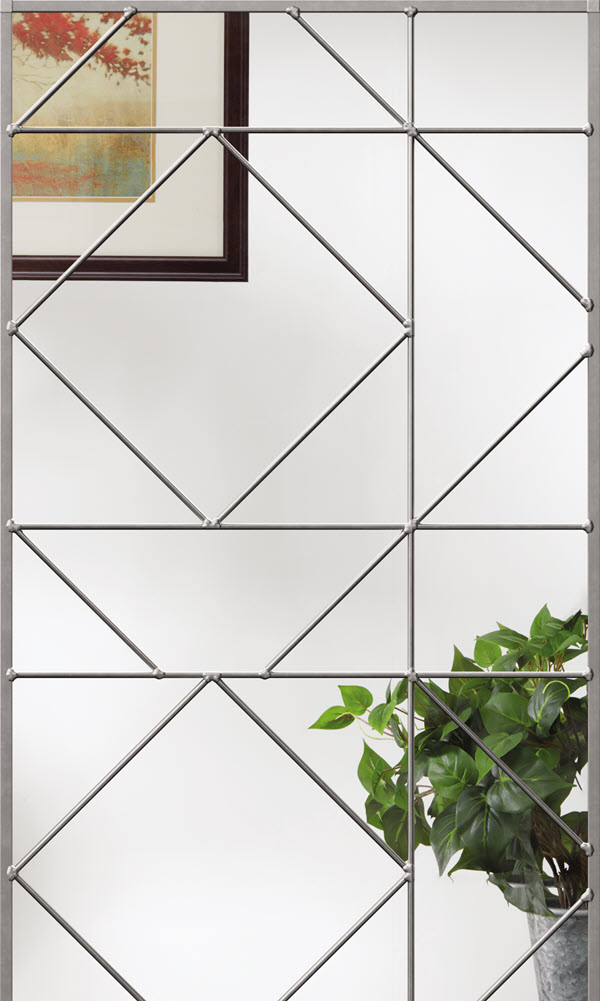
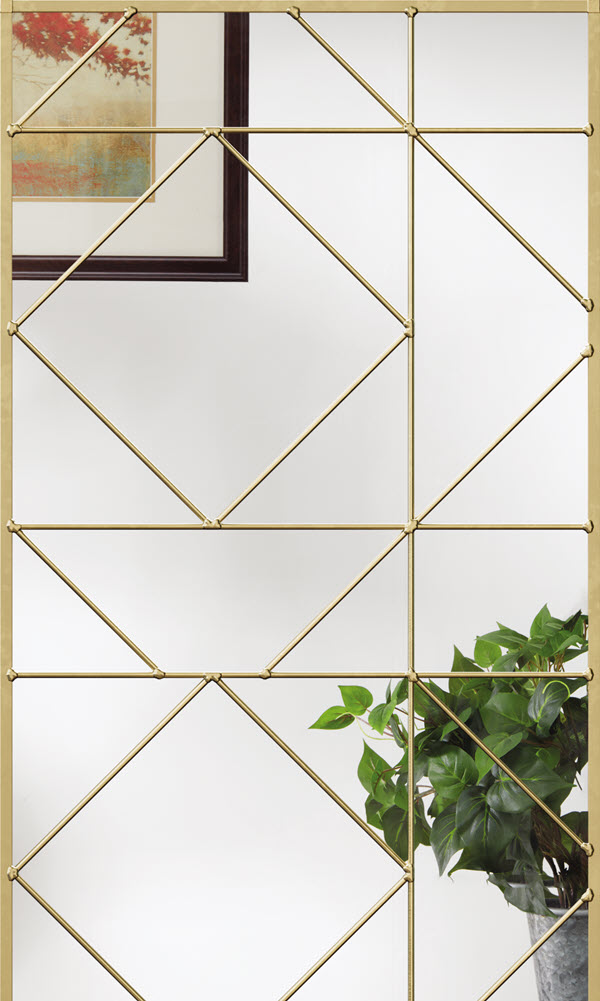
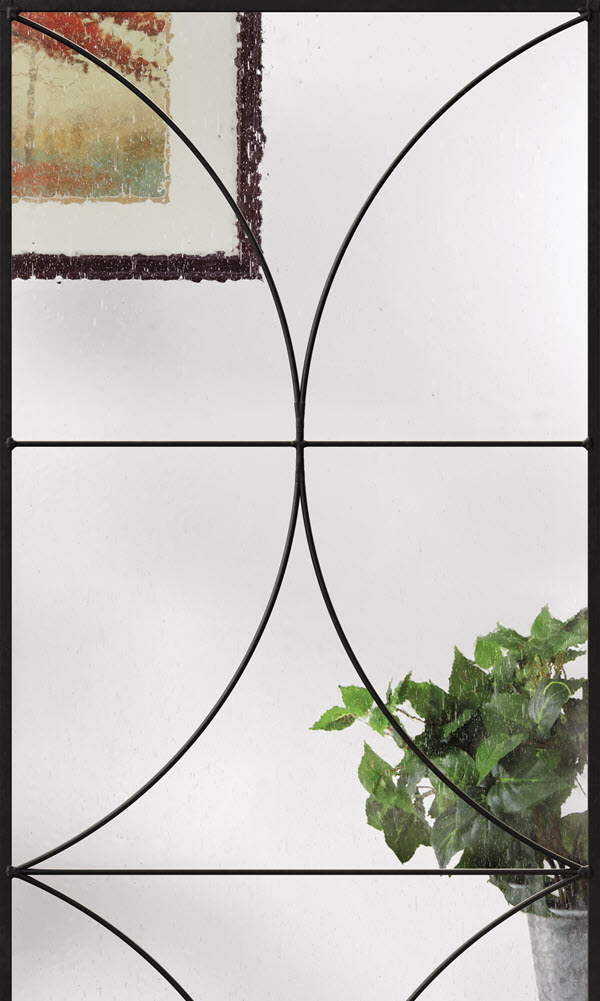
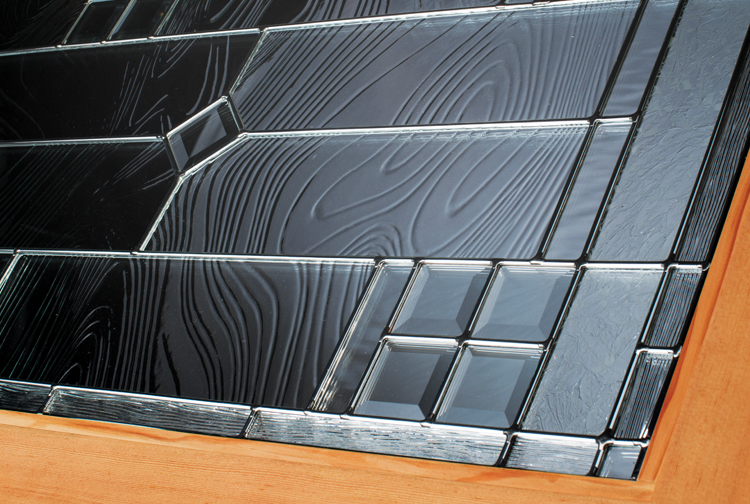
Decorative glass is constructed with different types of glass in a decorative pattern. The pieces of glass are joined together by metal pieces called caming.


V-Groove Glass

V-groove glass has has a 5/32″ groove in the shape of a V on the glass. The groove is placed in a pattern to create the appearance of a 15-lite door but is only one pane of glass.

Louvers

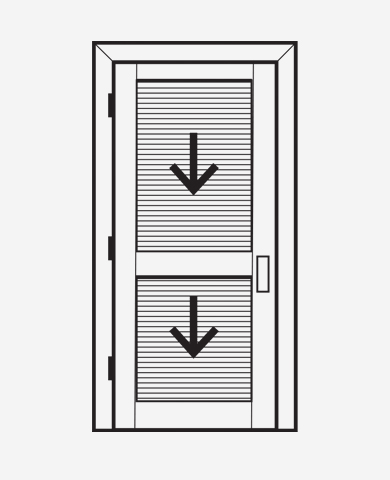
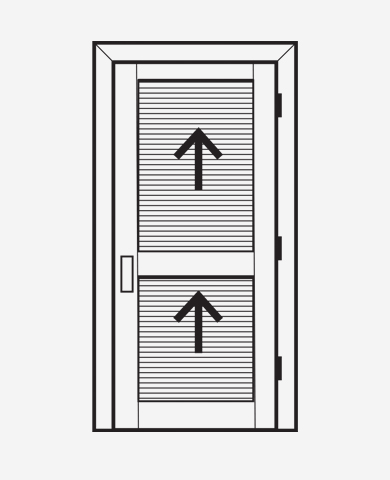
Louvers allow for ventilation and are typically used in a utility closet or a standard closet application where air flow is desired to go from one space to another. When ordering it is important to note whether the blind side goes on the stop or hinge side.

If the Louvers run down, you cannot see into the next room so the Blind Side is on the Hinge Side

If the Louvers run up, you can see into next room so the Blind Side is on the Stop Side


Louvers are available with different slat sizes. Primed and Pine louvers are available with a 1-1/4” slat size and Primed louvers are also available with a 2-1/4″ slat size. There is a Primed contemporary option with angled cuts in a flat panel.


Interior Species Options

A variety of wood species can match any home’s design. Staining a door brings a layer of beauty and sophistication to an area. Each species of wood has different characteristics, colors, and grain patterns which affect the stain application. To help understand which doors stain will and which are better painted, refer to the stainability icons.


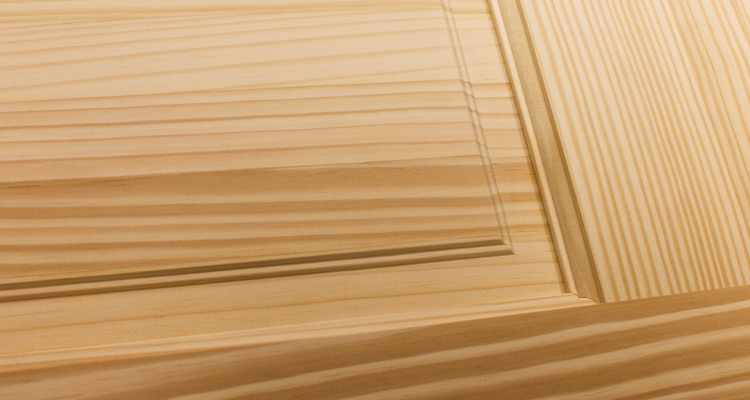
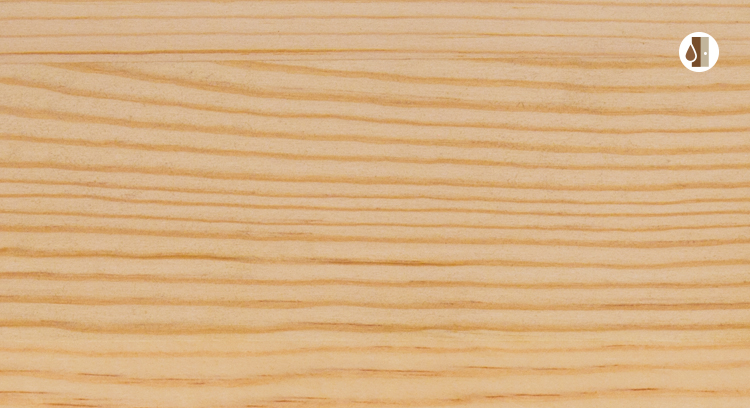
Ponderosa Pine – Woodgrain

Ponderosa Pine is one of America’s most abundant tree species. It has straight, uniform grain with minimal amounts of reddish-brown heartwood. The sapwood has wide growth bands, which are honey-toned or straw-colored.

Ponderosa Pine – Woodgrain


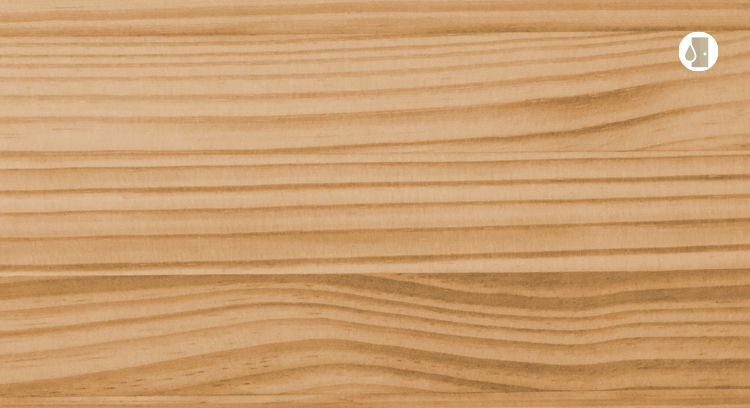
Plantation Pine – RSP

Plantation Pine has a distinctive grain pattern with a pale cream color. It tends to be harder than other pine species and has fewer knots.

Plantation Pine – RSP


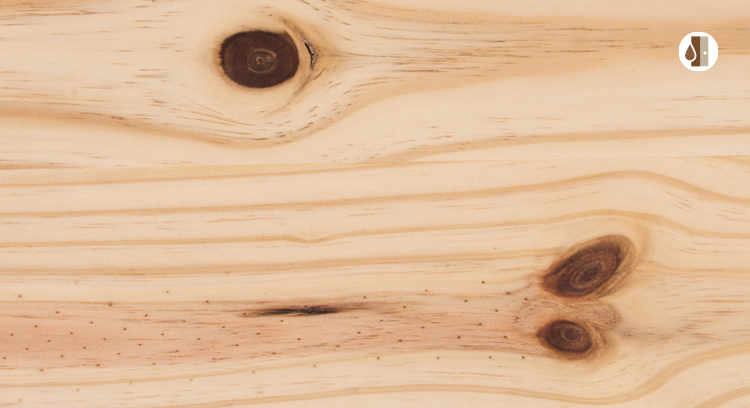
Knotty Pine – RSP

Knotty Pine has a rich display of knots that reflects the randomness and beauty of nature. The wood tends to be a honey-toned or straw color while the knots are generally reddish-brown

Knotty Pine – RSP


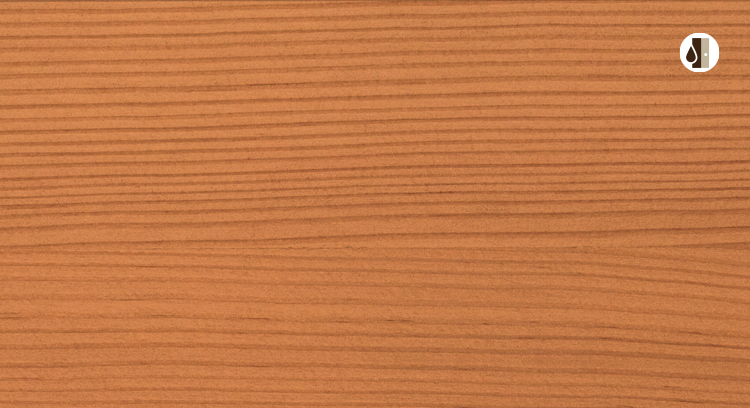
Fir – Simpson

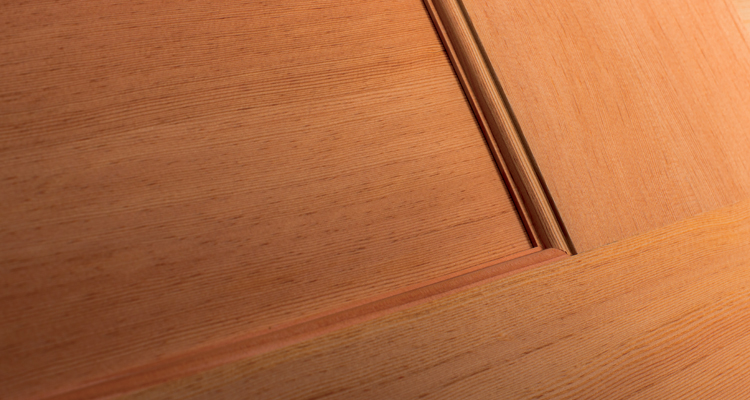
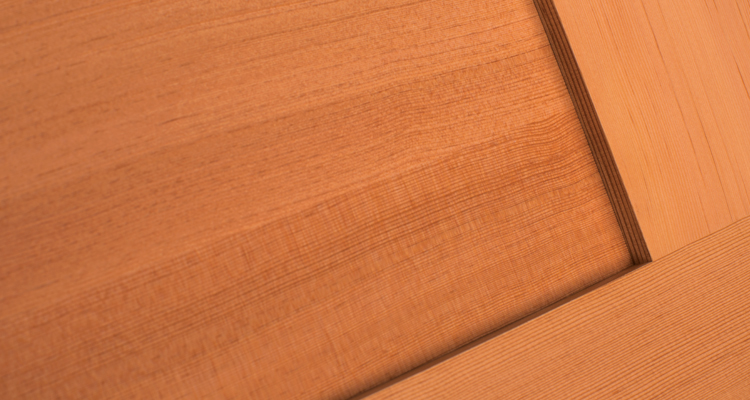
Douglas Fir is a large, generally straight-grained tree characterized by exceptional natural strength, hardness and durability. The wood varies in color from yellowish tan to light, bright brown

Fir – Simpson


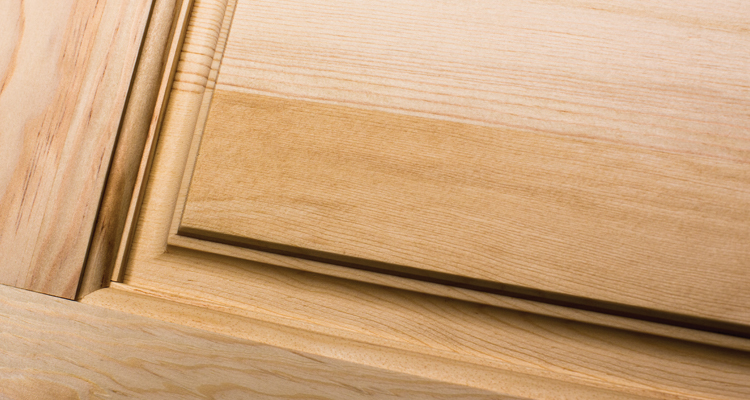
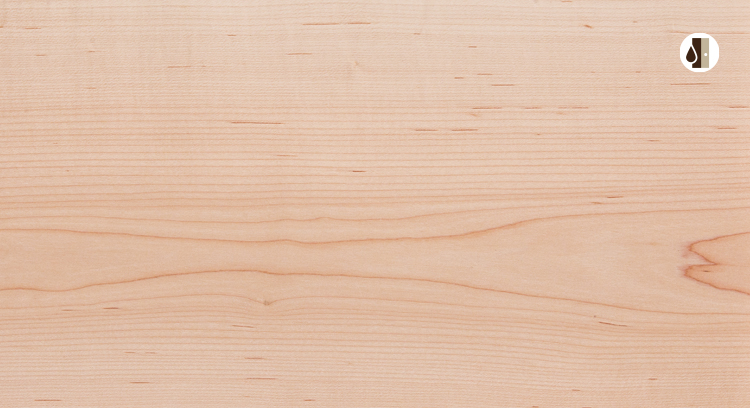
Maple

Maple offers a very fine grain and a whitish color tinged with reddish brown.

Maple


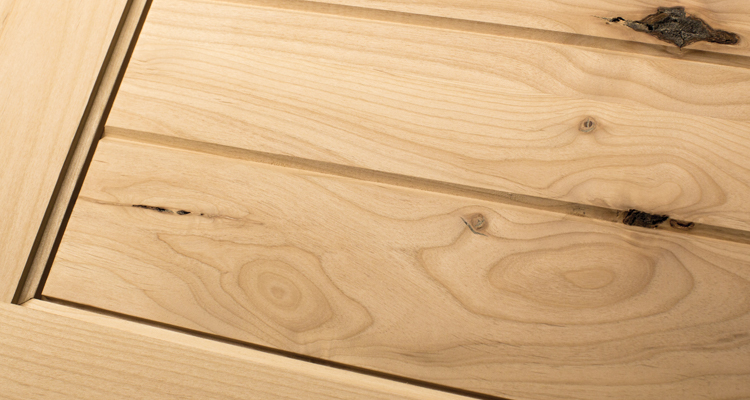
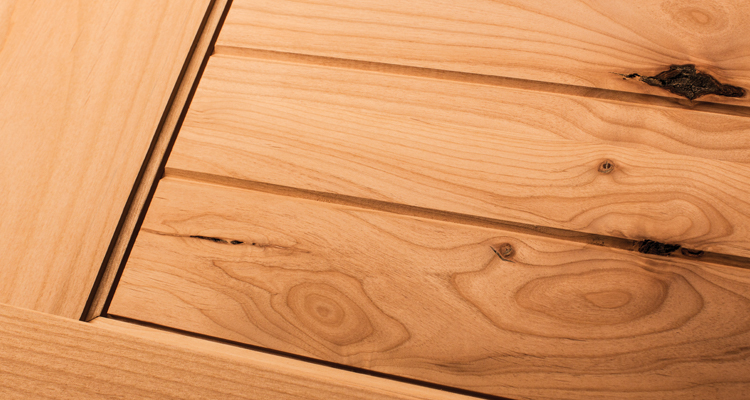
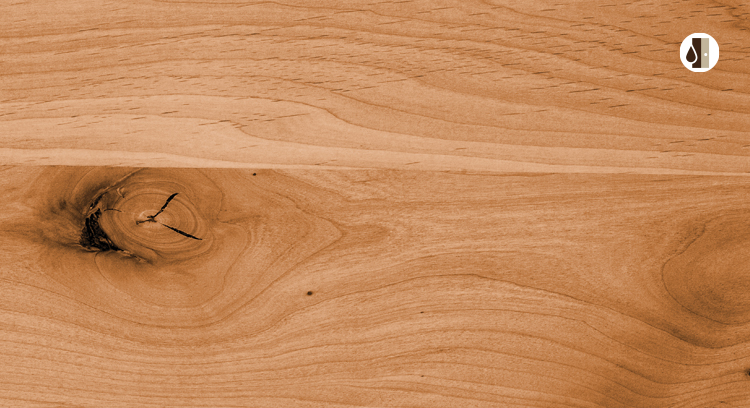
Knotty Alder – Woodgrain

Knotty Alder is a medium density hardwood with an even grain appearance. The wood is normally light brown with hues of red or peach. Its softer nature makes it easy to machine and receptive to a variety of stains and finishes.

Knotty Alder – Woodgrain


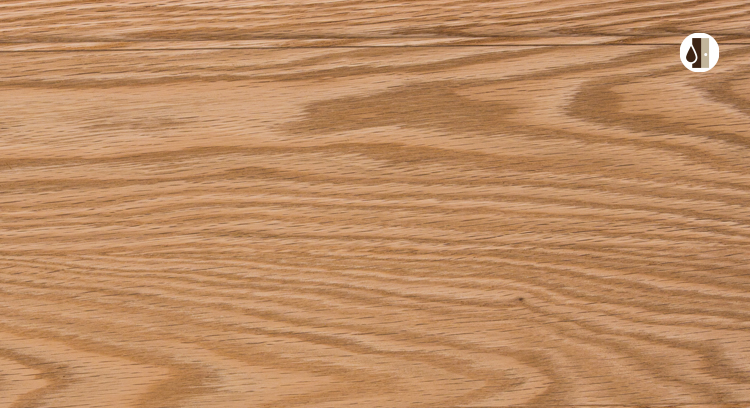
Oak – Simpson

Oak has a coarse texture and a straight, prominent grain. It accepts a broad range of stains and finishes

Oak – Simpson

Premium Fiberglass Door Construction

Therma-Tru’s Classic Craft Collection Doors are a Premium Fiberglass Door. They have a unique construction with five key factors that help give the appearance and feel of a real wood door.


  1. Enhanced Weather Resistance – No more worries about rotting, warping or twisting. Classic Craft premium entryways are tested and designed to resist extreme weather conditions and the damaging effects of moisture. Both the top and bottom of the door are protected by composite rails for a longer-lasting entryway.
  2. Solid Security – Classic Craft premium entryways feel solid and close with authority. A 4″ wide beam of engineered lumber runs from the top to the bottom of the locking side of the door to add mass and rigidity, giving the door weight and a natural wood feel.
  3. Excellent Durability – Built to stand up to the elements and years of wear, Classic Craft’s fiberglass skins are thicker than other standard fiberglass doors to provide added durability and better long-term performance.
  4. Higher R-Value – Classic Craft premium entryways contribute to an energy-efficient home. A polyurethane foam core provides up to four times the insulating R-Value of wood.
  5. Edge-to-Edge Moisture Protection – Resist moisture at every turn – and along every edge. Classic Craft premium entryways have hardwood and composite edges that help prevent moisture penetration.

Classic Craft doors are made of different parts and pieces which surround a polyurethane foam. This includes top and bottom rails, a hinge and lock stile, and the door skins.


An impact door will also include an impact plate made of steel to provide additional protection and security.