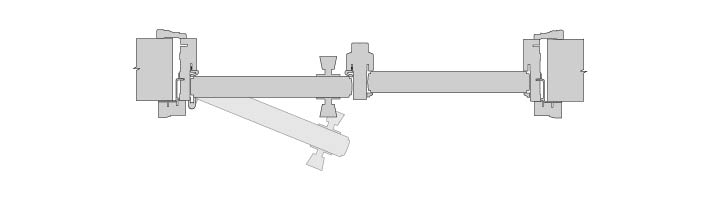
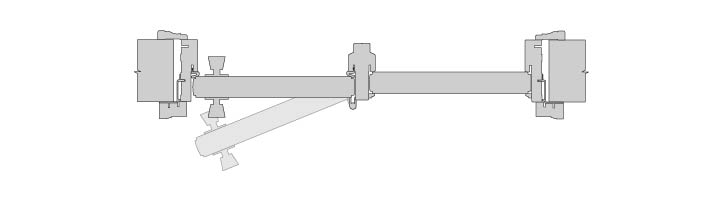
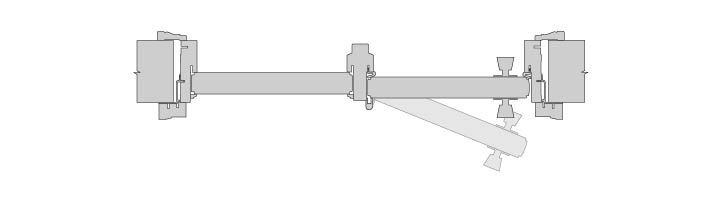
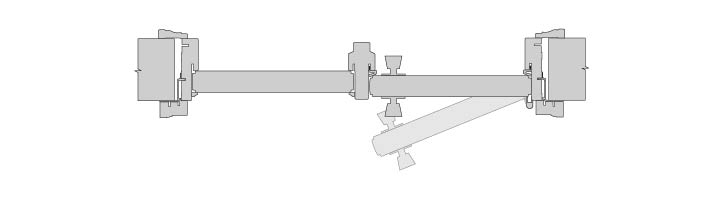
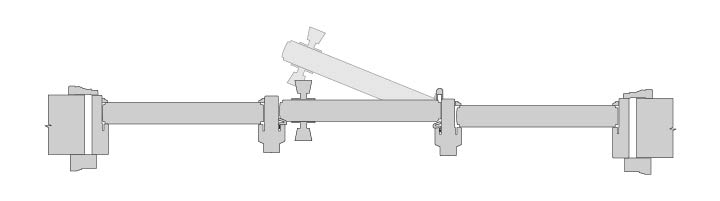
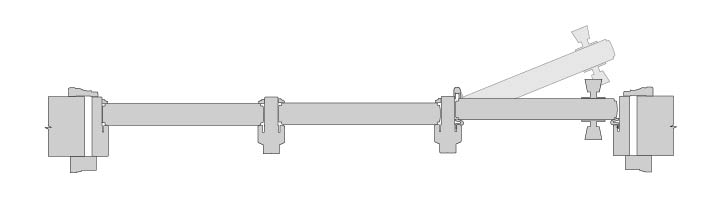
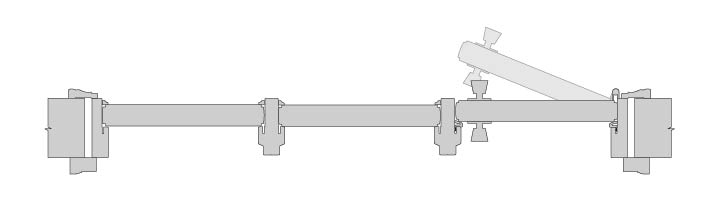
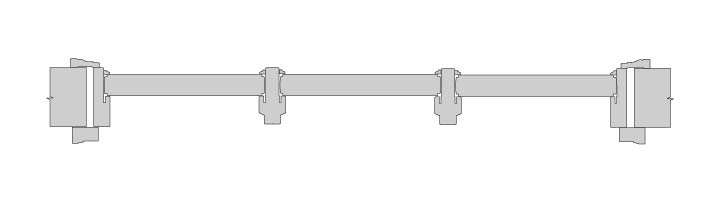
Swinging Patio Door Handing

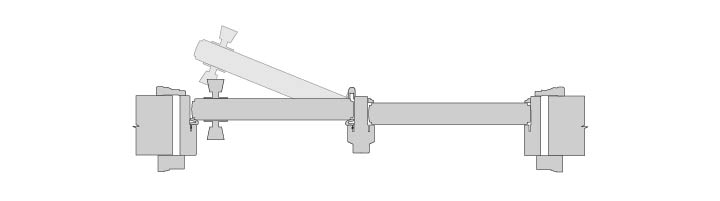
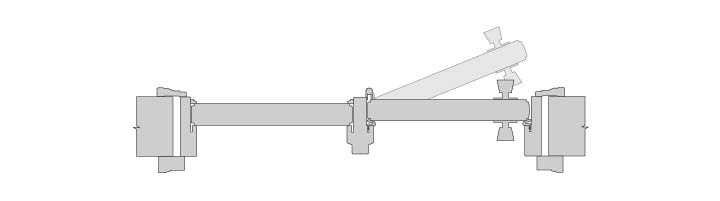
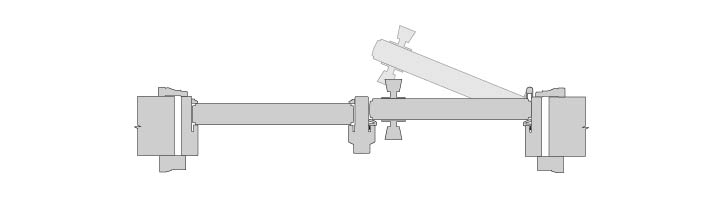
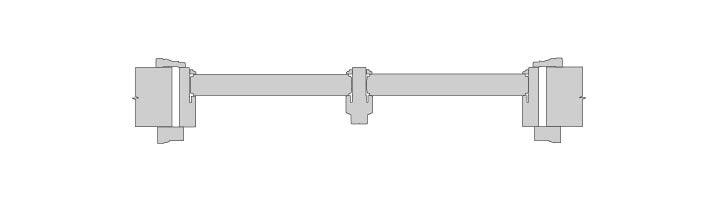
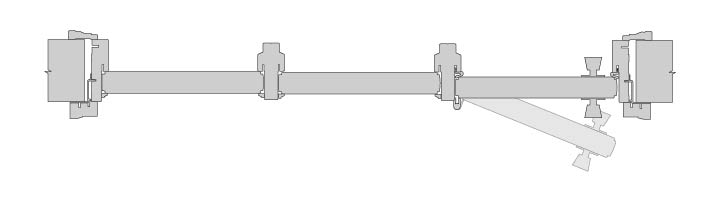
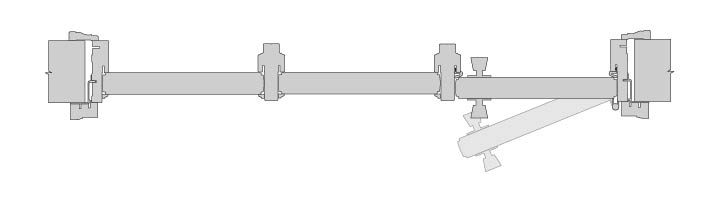
2 Door Patio Unit

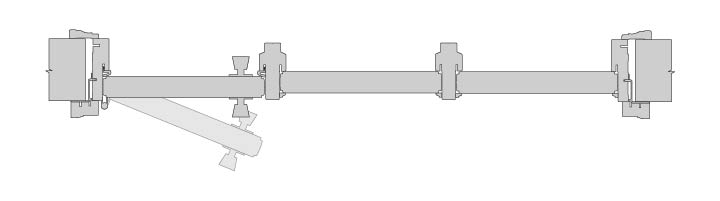
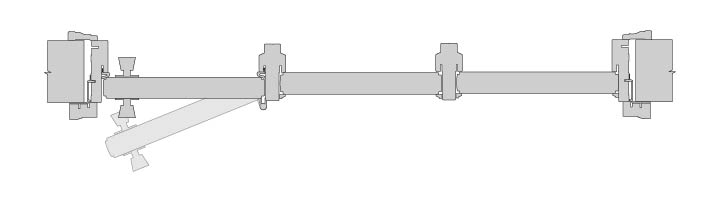
Inswing

Patio Handing: LF
Left Hand – Fixed
Hinged on the Jamb

Patio Handing: RF
Right Hand – Fixed
Hinged on the Mullpost

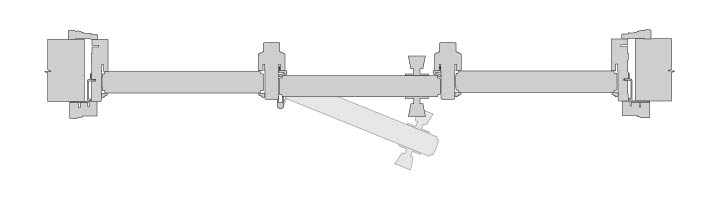
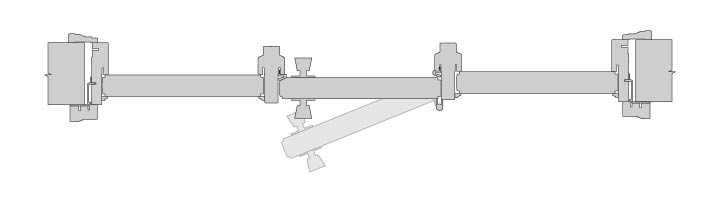
Patio Handing: FL
Fixed – Left Hand
Hinged on the Mullpost

Patio Handing: FR
Fixed – Right Hand
Hinged on the Jamb

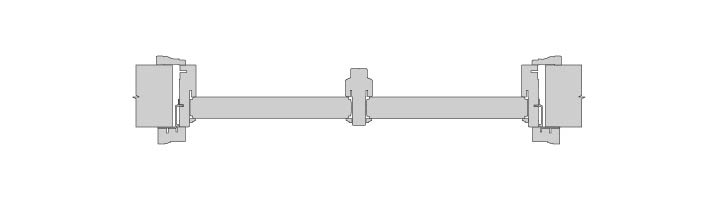
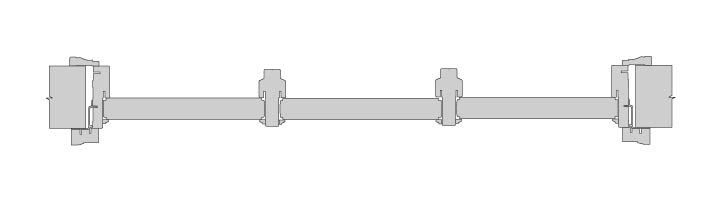
Patio Handing: SS
Stationary – Stationary
Both Doors Fixed on the Interior


Outswing

Patio Handing: RFOS
Right Hand – Fixed
Hinged on the Jamb

Patio Handing: LFOS
Left Hand – Fixed
Hinged on the Mullpost

Patio Handing: FROS
Fixed – Right Hand
Hinged on the Mullpost

Patio Handing: FLOS
Fixed – Left Hand
Hinged on the Jamb

Patio Handing: SSOS
Stationary – Stationary
Both Doors Fixed on the Exterior


3 Door Patio Unit

Inswing

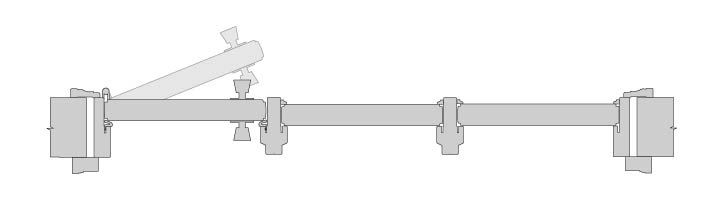
Patio Handing: LFF
Left Hand – Fixed – Fixed
End Swing, Hinged on the Jamb

Patio Handing: RFF
Right Hand – Fixed – Fixed
End Swing, Hinged on the Mullpost

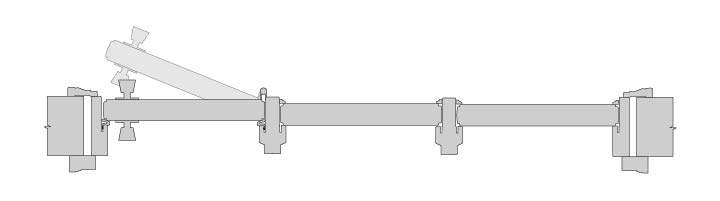
Patio Handing: FLF
Fixed – Left Hand – Fixed
Hinged in the Center

Patio Handing: FRF
Fixed – Fixed – Right Hand
Hinged in the Center

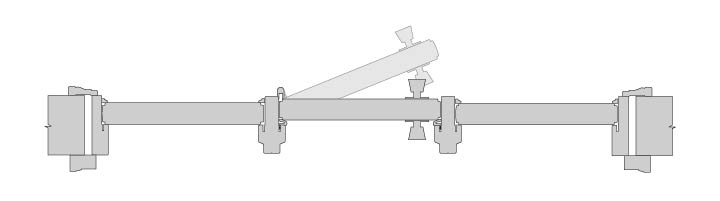
Patio Handing: FFL
Fixed – Fixed – Left Hand
Hinged on the Mullpost

Patio Handing: FFR
Fixed – Fixed – Right Hand
Hinged on the Jamb

Patio Handing: SSS
Stationary – Stationary – Stationary
Both Doors Fixed on the Interior


Outswing

Patio Handing: RFFOS
Right Hand – Fixed – Fixed
Hinged on the Jamb

Patio Handing: LFFOS
Left Hand – Fixed – Fixed
Hinged on the Mullpost

Patio Handing: FRFOS
Fixed – Right Hand – Fixed
Hinged in the Center

Patio Handing: FLFOS
Fixed – Fixed – Left Hand
Hinged in the Center

Patio Handing: FFROS
Fixed – Fixed – Right Hand
Hinged on the Mullpost

Patio Handing: FFLOS
Fixed – Fixed – Left Hand
Hinged on the Jamb

Patio Handing: SSSOS
Stationary – Stationary – Stationary
Both Doors Fixed on the Exterior

Saddle Sill

A saddle sill is a type of threshold designed to provide a smooth transition between two spaces, while also helping to prevent drafts, water, and other environmental elements from entering the space. It helps make things more accessible for people with mobility issues, as well as to meet the requirements of some building codes.

The use of a saddle sill can help improve energy efficiency and reduce heating and cooling costs. It is typically used when the flooring on either side of the door unit are different heights. This can occur when the door unit is being installed in a new construction or remodel project, or when the flooring on one side of the door unit has settled over time.

Flat Jambs

Interior flat jambs are a popular choice due to their simplicity and versatility. Flat jambs are a type of door frame that do not have a recessed groove, unlike single or double rabbeted jambs. This type of jamb is typically used when the door is to be installed with a gap between the door and the jamb, rather than being flush with the wall.

Flat jambs offer a clean, simple solution for interior door installations. They are easy to install, can be used in a variety of applications, and offer a flexible solution for custom-sized doors. If you are looking for a cost-effective and versatile solution for your interior door installation, consider using flat jambs.

Single Rabbeted Jambs

Single rabbeted jambs are a type of door frame that have a single, recessed groove that is used to secure the door in place. This type of jamb is typically used when the door is to be flush with the wall, rather than having a gap between the door and the jamb.

Single rabbeted jambs are a cost-effective and versatile solution for interior door installations. They are easy to install, can be used in a variety of applications, offering a clean, flush appearance. If you are looking for a jamb solution for your interior door installation, consider using single rabbeted jambs.

Double Rabbeted Jambs

Interior double rabbeted jambs are designed to provide added protection and visual appeal to an interior door installation. They are characterized by a groove or channel that is cut into both sides of the jamb, allowing the door to sit flush against both the jamb and the wall.

Using a double rabbeted jamb provides added protection for the door. Because the door sits flush against both the jamb and the wall, it is less likely to become damaged or warped over time. The added detail of the groove or channel can add depth and dimension to a room, making it more interesting and attractive. They can also be painted or stained to match the surrounding trim or molding, making them blend in seamlessly with the overall aesthetic of the room.

Double rabbeted jambs can be a bit more difficult to install than other types of jambs, such as flat jambs. It’s important to have proper tools and equipment and a moderate level of skill to install a double rabbeted jamb. It’s also important to make sure that the jamb is level and plumb before installing the door, as any inconsistencies will be visible once the door is installed. They are popular in bathrooms, kitchens, laundry rooms, and other areas.

Beveled Doors

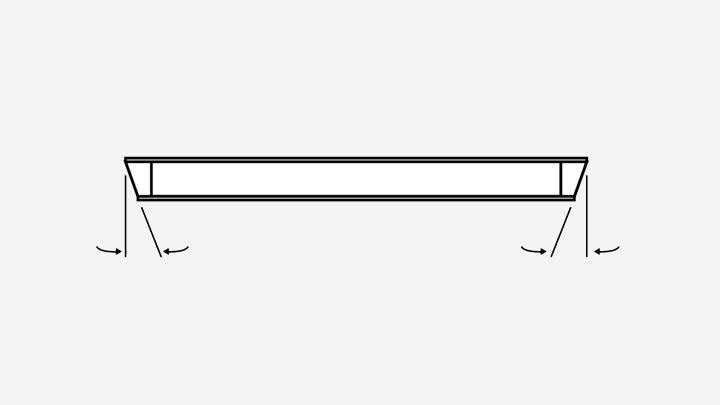
Beveled doors include an angled cut on the side of the door. This cut is usually 2 to 3 degrees and is done down the entire height of the door’s lock side but may be on both sides. Doors with a square edge can be beveled in the field or doing the pre-hanging process. Some doors however are manufacturered pre-fit and beveled.

Beveling causes the door to have a tighter fit against the jamb when closed. When replacing a door only, a pre-beveled door will be installed faster as it needs minimal adjustments in the field.

Ball Catch

Ball catches are a type of door hardware that are used to keep a door closed without the need for a traditional latch or lock. They are often used on interior doors that do not require privacy or security, such as closet or pantry doors. Ball catches are designed to be simple and easy to use.

A ball catch consists of two main components: a ball and a plate. The ball is mounted on the door and is designed to fit into a recess in the plate, which is mounted on the door jamb. When the door is closed, the ball fits into the recess in the plate, keeping the door closed. To open the door, the user simply pulls on the door handle, which pushes the ball out of the recess in the plate, allowing the door to be opened.

Ball catches do not require a key, making them a convenient option for keeping the doors closed. In addition, ball catches are also low-maintenance and durable, and installed with minimal tools and effort. Whether you are looking to upgrade your interior doors or simply want a convenient way to keep your doors closed, ball catches are a smart investment.

Roller Catch

A roller catch is a simple and effective device used for securing interior doors.

centered image

It consists of a small ball bearing roller that is mounted in a cup on the door and a strike plate that is mounted on the door jamb.

When the door is closed, the roller rolls into the strike plate, holding the door securely in place.

Roller catches are a suitable choice for lightweight interior doors that do not need a latch or lock and are ideal for doors that are rarely used or serve storage purposes. Advantages of using a roller catch includes an easy installation, making them a convenient option for DIY projects. Roller catches are an affordable and cost-effective alternative to other door hardware. As they don’t require a latch or lock, they are simple to use.

Installing a roller catch requires a few steps to ensure it’s properly fitted. First, measure the door and decide where to place the roller catch. Then, mark the spot on the door and drill a hole in that location. Next, insert the cup into the hole in the door and secure the strike plate onto the door jamb. Finally, place the roller into the cup on the door, and the installation is complete.

Anatomy of a Swinging Interior Door Unit

Interior doors contribute to the style of a home and can be configured in a variety of ways. The most popular is a swinging door. When purchasing a new door, you need to consider all the parts of the unit. Understanding the anatomy of a swinging interior door will help simplify the buying process.

Door Slab

The most important part of a door unit is the door slab. The door slab can be constructed using 2 main methods.

The first is by joining stile and rails, which are individual components constructed with an engineered wood core covered with a veneer.
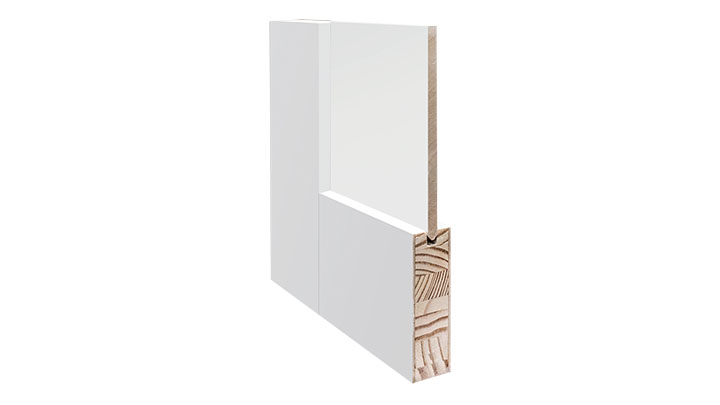
The other way is by gluing two door skins together with a core material in between, creating a molded or flush door.
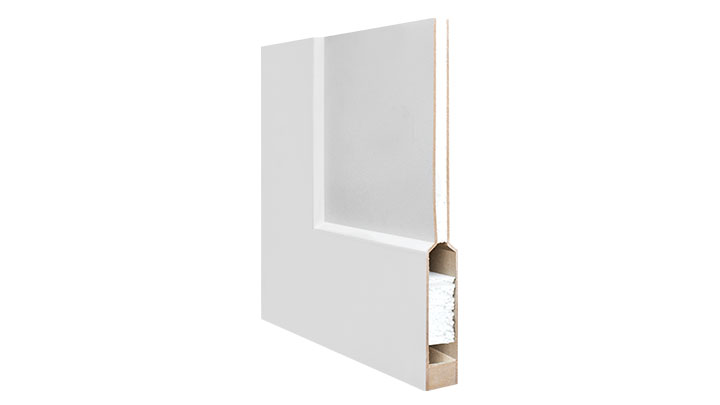
Most interior doors are 1-3/8” thick, however they can also be 1-3/4” thick if desired.

Style Options

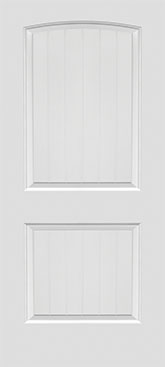
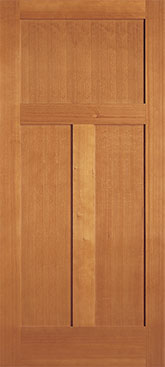
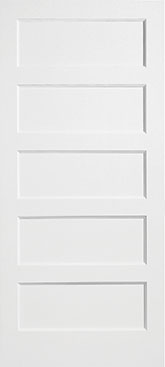
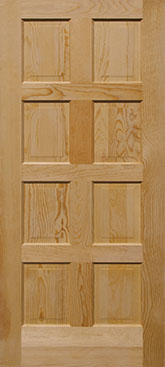
Some door slabs will be completely flat and are called flush doors. However, most door slabs have a more detailed style and layout. The door design primarily comes from the number of panels in the door.

These panels can either be raised or flat.
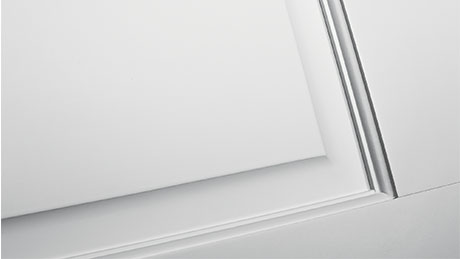
Raised Panel
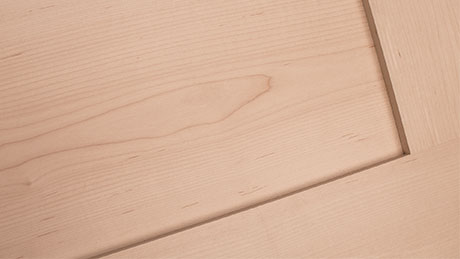
Flat Panel

Instead of a panel, stile and rail doors can use glass, which is called a lite. This glass can be clear, frit, white laminate, or decorative.
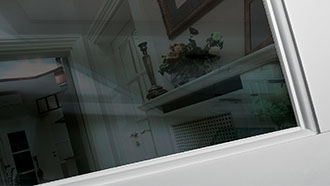
Clear Glass
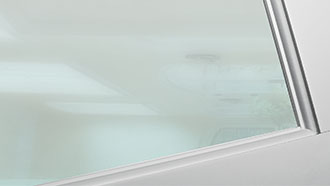
Frit Glass
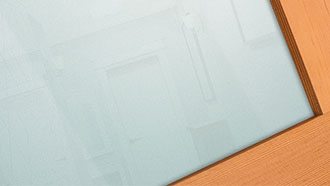
White Laminate Glass
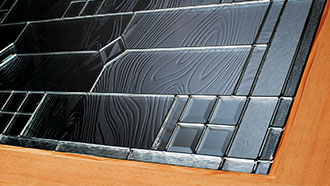
Decorative Glass

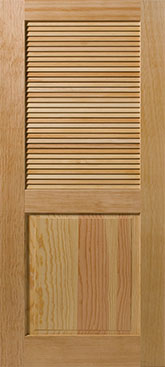
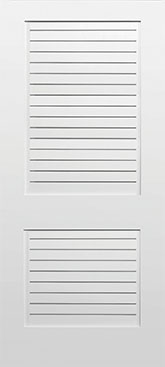
For ventilation, some doors can replace the panels with slats creating a louver door.

The part of the door surrounding the panels or lites is the sticking, which can take many styles – ovolo and shaker being two of the most common.
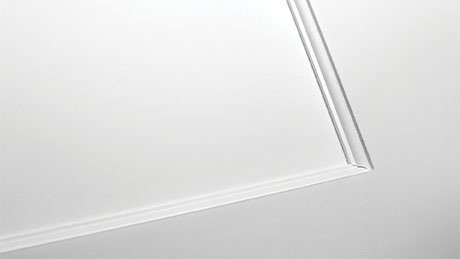
Ovolo Sticking
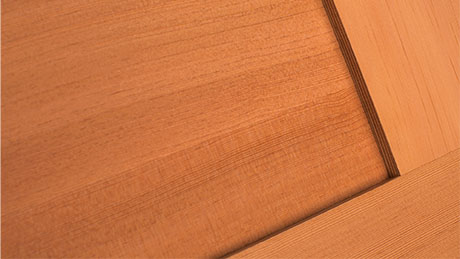
Shaker Sticking

Hinge Options

Next you will need to consider the hinges, which allow the door to open and close. Doors that are 1-3/8” will use 3-1/2” hinges while 1-3/4” doors will use 4” hinges.
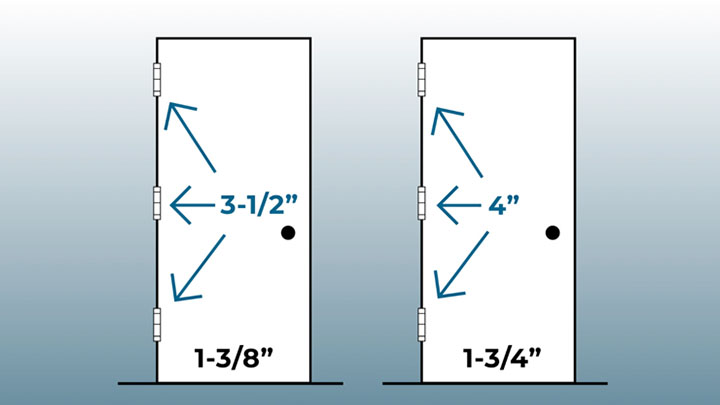
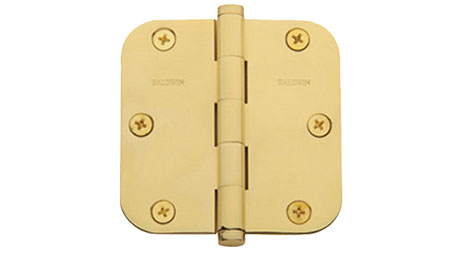
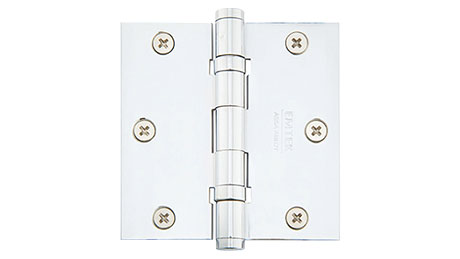
While the hinge size is usually dictated by the door thickness, the hinge style is a matter of personal preference. Hinges can have round corners or square corners and come in a variety of finish options.

Lighter doors can use regular hinges, while heavier doors should use ball-bearing hinges, which have ball bearings in the knuckles for smoother performance. Certain doors may also need a self-closing hinge, which will close automatically. By using a double action floor or wall hinge, the door will swing both ways.
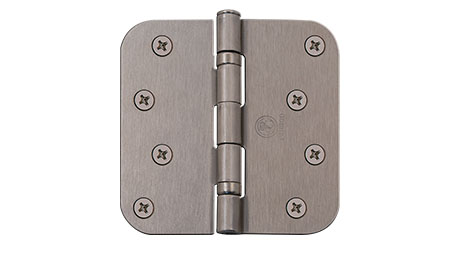
Ball-Bearing Hinge
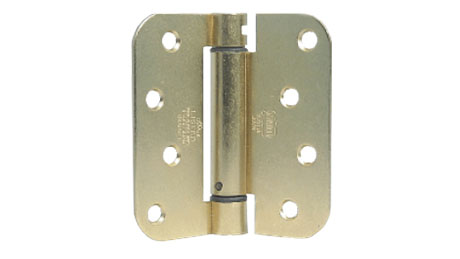
Self-Closing Hinge
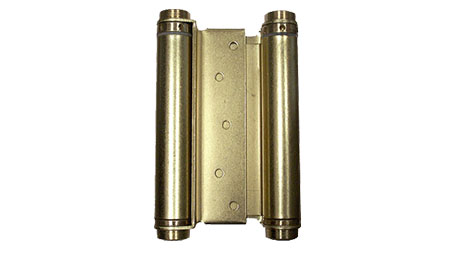
Double Action Hinge

Frame Components

The hinges will be attached to the jambs which create the door’s frame system. There are multiple jamb types that can be used, and often the most common type varies by region.

A single rabbeted jamb looks like an exterior jamb with a rabbet for the door.
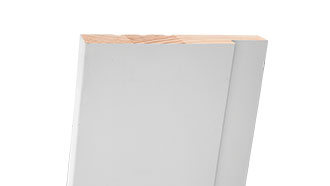
A double rabbeted jamb is a one-piece jamb with a built-in stop.
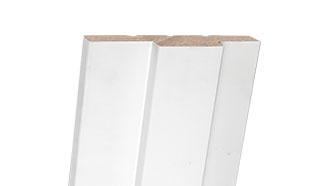
A split jamb has the stop built-in as well, but is made up of 2 pieces for an easier installation.
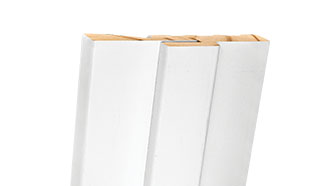
A flat jamb is just that – flat – and requires a stop attached so the door doesn’t swing through.
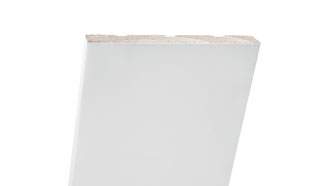
This stop can have a colonial profile or can be square on one side and rounded on the other.
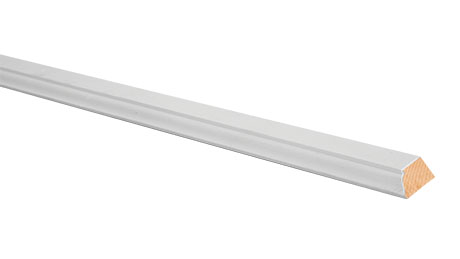
Colonial
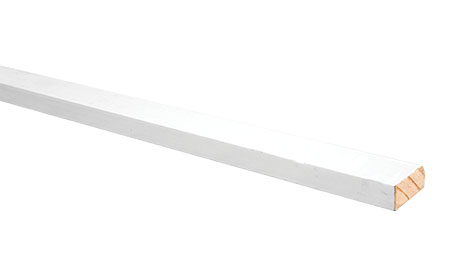
Round 1 Square

Double doors may use an additional piece known as an astragal, which goes between the two doors as a stopping mechanism but also to fill the gap.
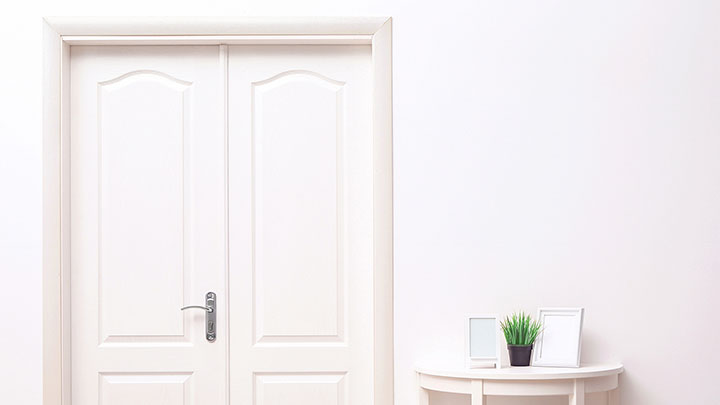
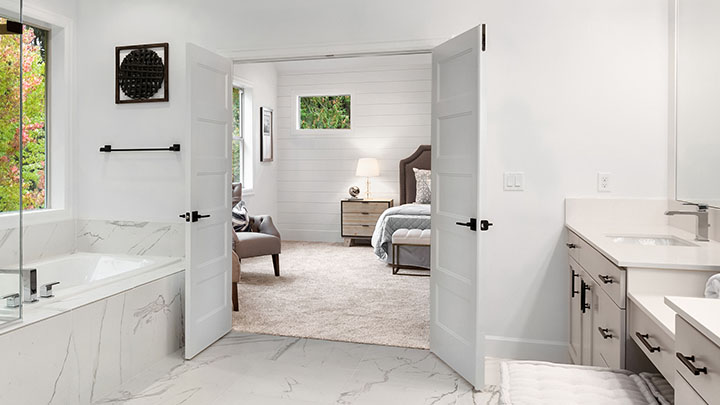
A flush bolt will also be used with an astragal to keep the passive door, or door with the astragal attached, closed.
Casing

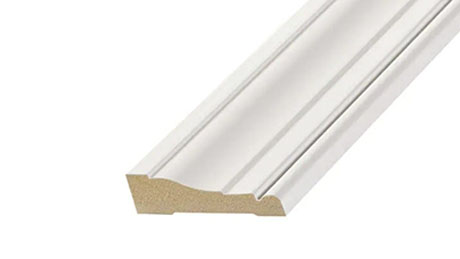
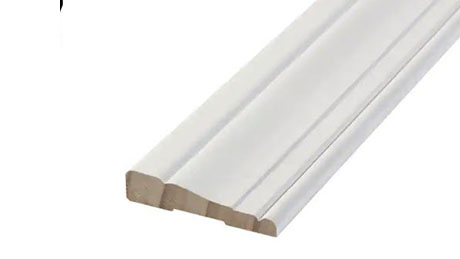
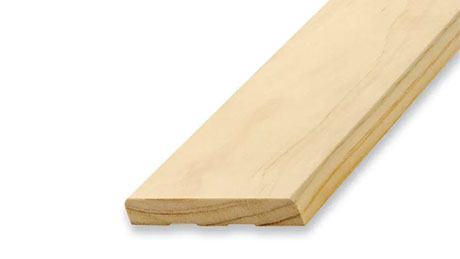
To finish the unit, casing is attached to the frame. This often matches the molding in the home. There are a wide variety of casing options. The WM376 is a common colonial style casing. The WM371 is similar but is slightly wider. The WM432 gives a flat and modern look.

WM376

WM371

Wm432

Closing Options

While the stop will keep the door from swinging through, you will generally need some type of hardware to keep the door shut.

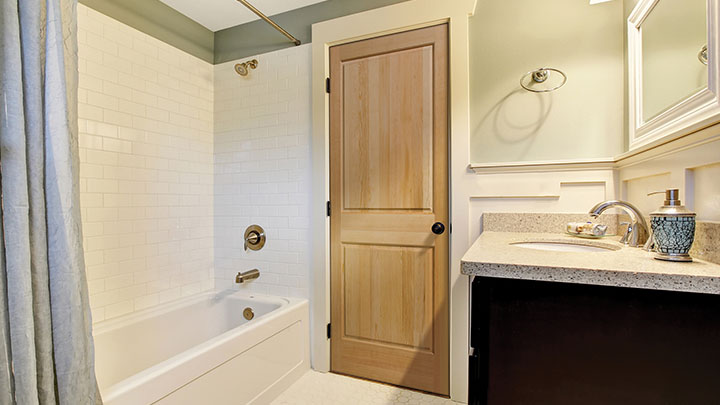
A bedroom or bathroom door will most likely use a lockset, which requires a bore through the door.
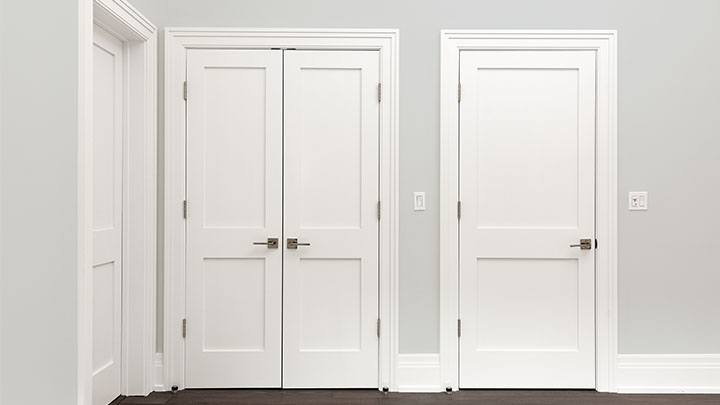
A pantry or closet door will often use a catch at the top of the door.
Catch options include a ball catch, a roller catch, a magnetic catch, or a concealed magnetic catch.
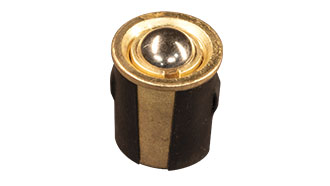
Ball Catch
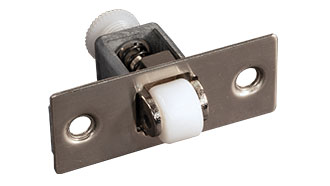
Roller Catch
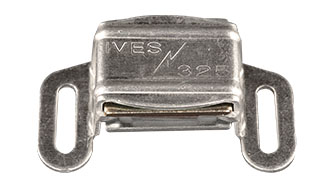
Magnetic Catch
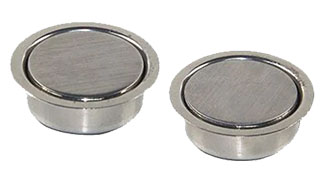
Concealed Magnetic Catch

Handing

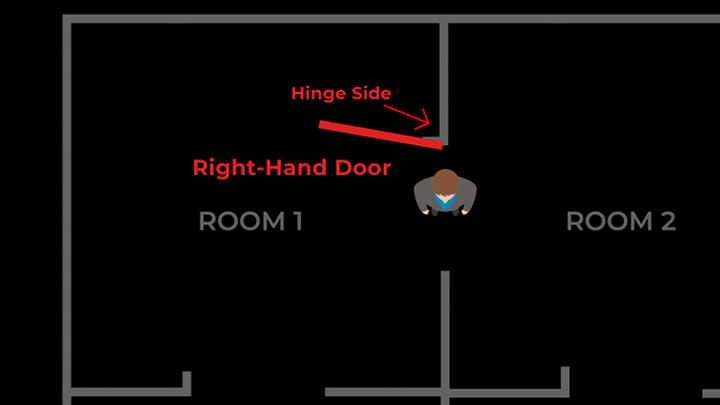
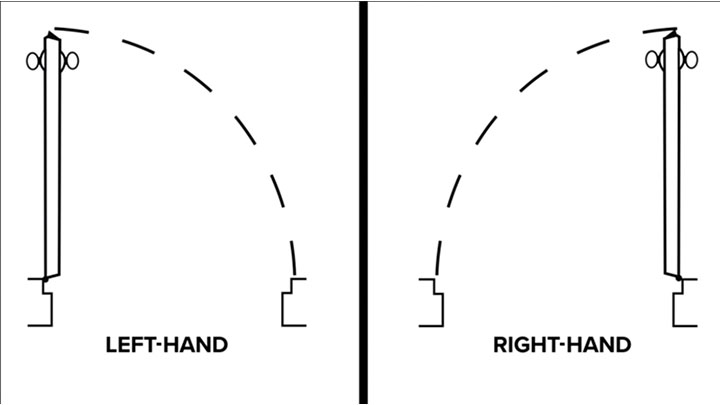
Interior door units can be constructed with either a right or left handing. The easiest way to determine the handing is to stand with your back to the hinges. If the door swings to your left, it is a left-handed door. If the door swings to the right, it is a right-handed door.
Additional Options

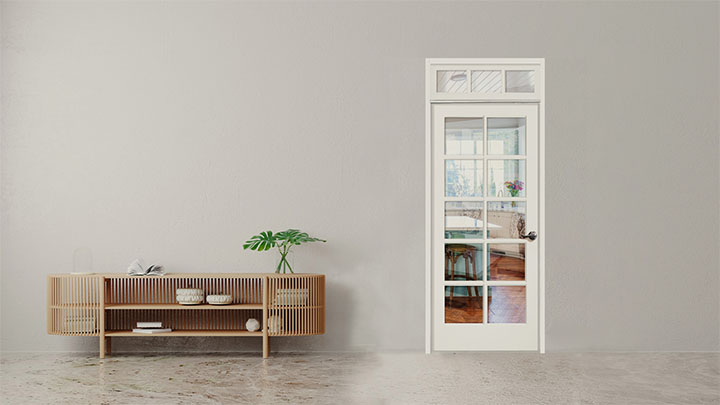
Some interior door units may also include a sidelite which is a narrow slab next to the door or a transom which is a narrow piece above door. Both allow for additional light to travel from room to room.

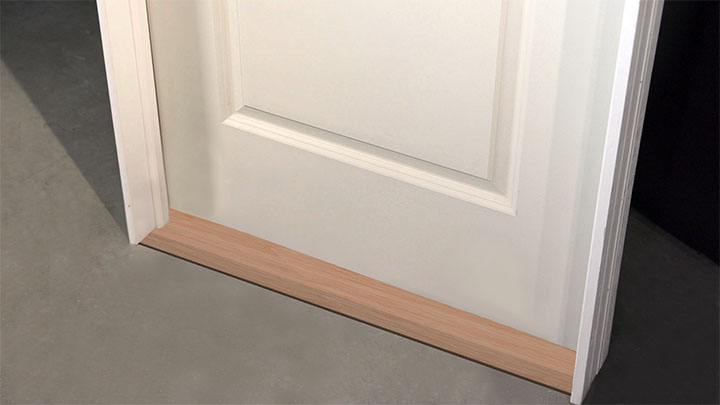
The final option for a swinging door is a threshold. It can be added to the bottom of the unit which will help to make a smooth transition from one room to the other as you walk through the door.
Hanging Doors with Textured Glass

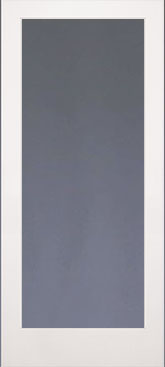
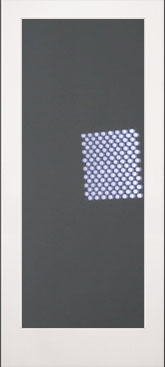
When hanging a door with textured glass we need to think which way we want the textured side to face. For example, a door with frit glass will have one side that is smooth and the other that has a slight texture.
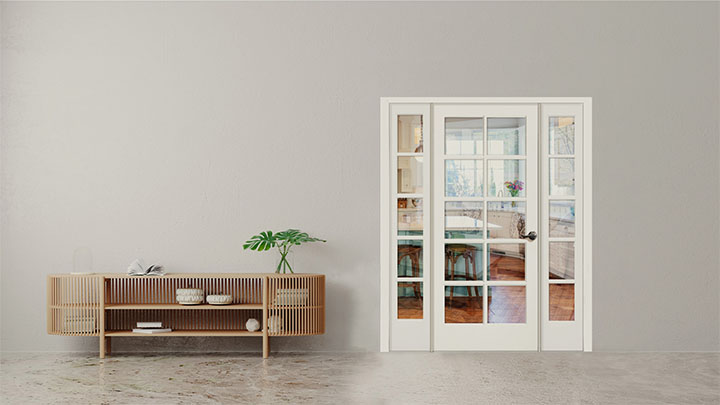
To understand the concept of the hinge and stop side, a video showcasing this concept was created.
Click here to view and learn more.


The door in this scenario is a right-hand door swinging into Room 1.

The hinges would be on seen in Room 1, while the stop would be seen in Room 2.

If we wanted the textured side in Room 2, we would want the textured side to be on the stop side. If the textured side was to the hinge side, it would be towards Room 1.

Textured Side

Smooth Side


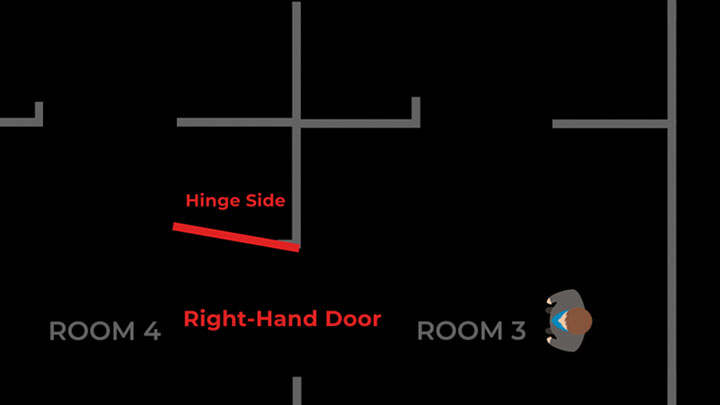
Here we have a right-hand door swinging into Room 4.

The hinges would be in Room 4 and the stop in Room 3.

If we wanted the textured side to Room 4, we the textured side would be to the hinge side.


Doors with textured glass are not the only door type where the stop or hinge side must be specified.

Click here to view a video on hanging a door with readable glass.

Click here to view a video on hanging a door with louvers.

Click here to view a video on hanging a barn door.