Smart Columns

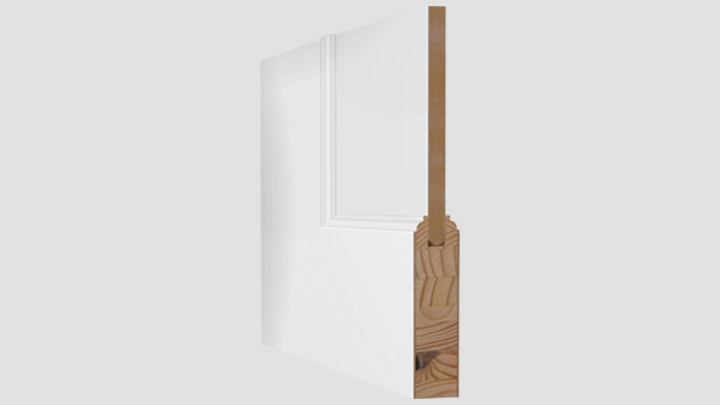
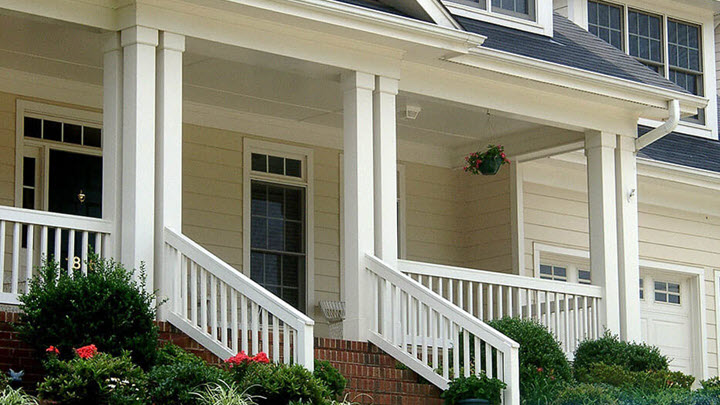
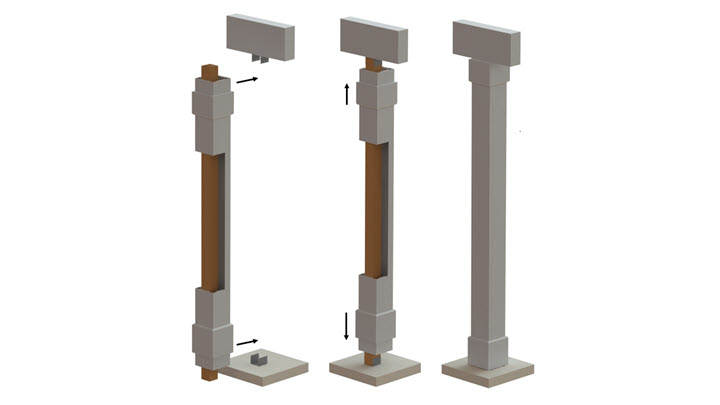
SmartColumn™ is the latest innovation from HB&G. It utilizes a pultruded sleeve and beveled cap and base, which eliminates the need to site-build a column saving time, labor, and money.

SmartColumn can be installed during the framing process but be completed before the house is complete by sliding and attaching the cap and base. Click here to watch an Installation Video for Smart Columns.

Features

  • Installs 3.5 times faster than a typical site-built column
  • Limited Lifetime Warranty for peace of mind
  • Superior aesthetics compared to a site-built column
  • Structural post and installation brackets are not included
  • Must order by the RO size as the column shaft is 12” shorter than the RO
  • Cap and base attach to the column shaft concealing all hardware and the post once installed

Interior Door Product Styles

There are many interior door types to choose from depending on the style of your home and the function needed. A great interior door can tie a look together, stand-out, blend in, and even save space.

Panel Types

One of the features of a stile and rail door is the type of panel: double hip raised, single hip raised, and flat panel. Depending on the species of the door, the thickness of the panel will vary.
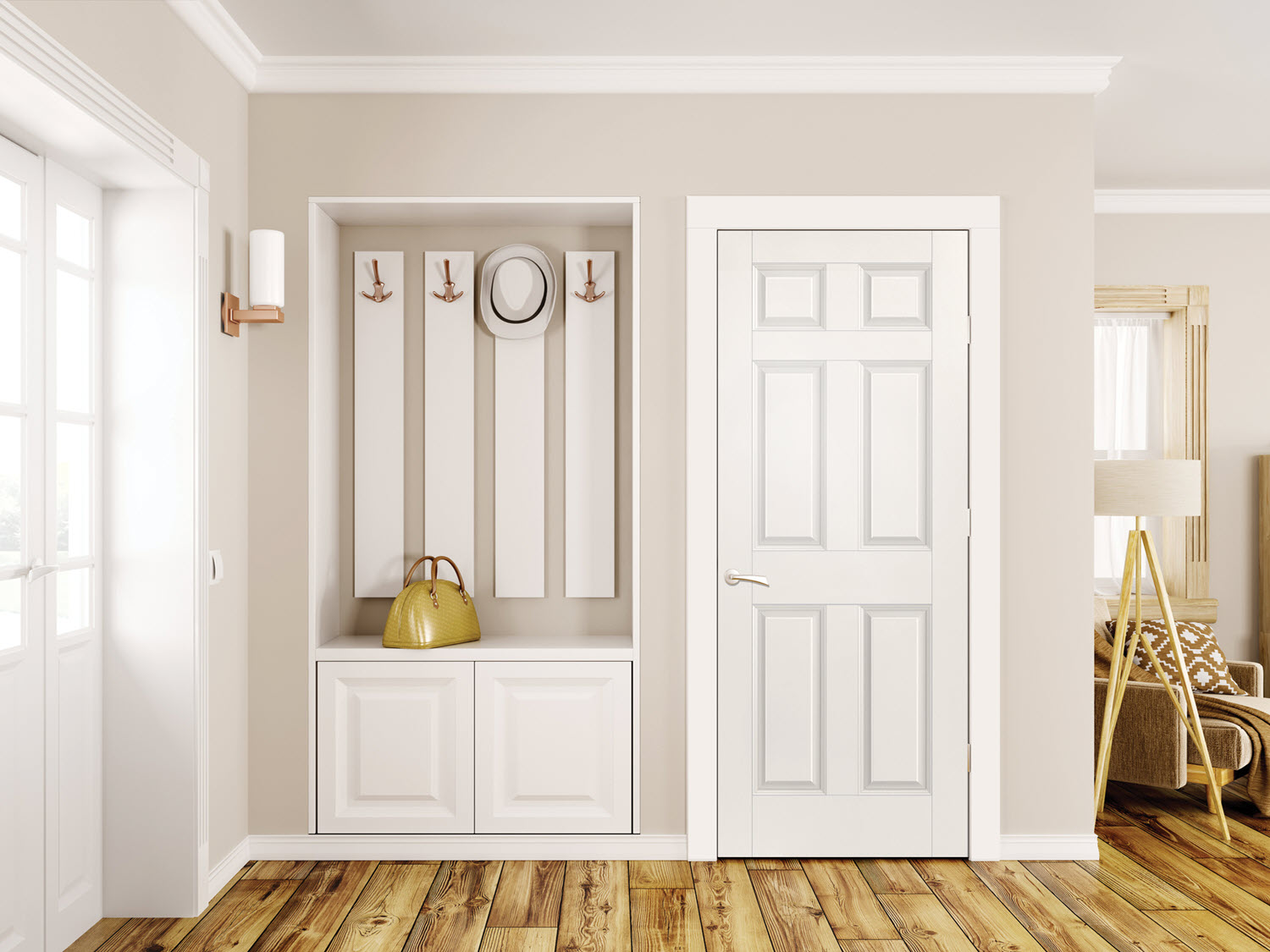
Click here to learn more about panel doors.

French

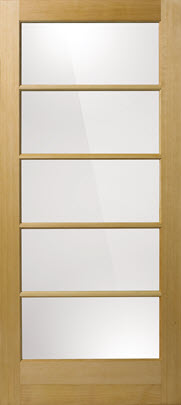
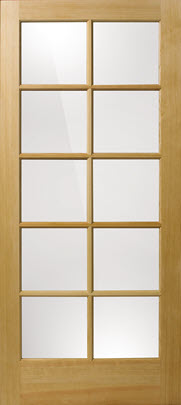
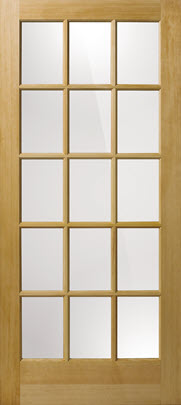
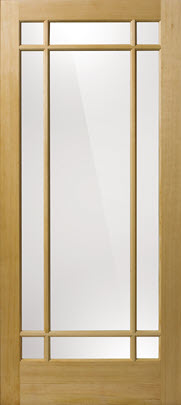
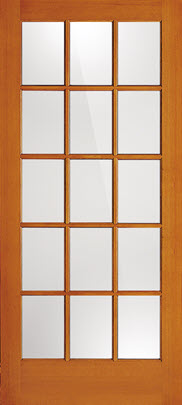
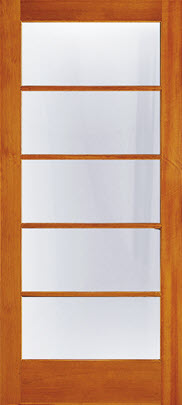
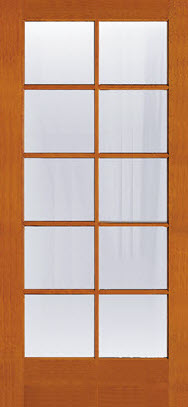
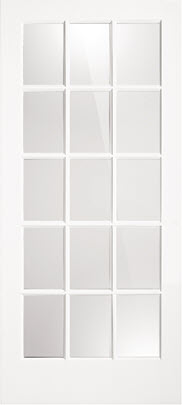
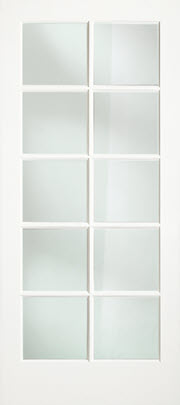
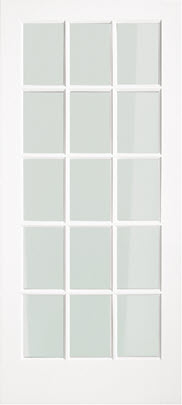
Adding glass in place of the panels in stile and rail doors creates a French door and allows light to flow through the home. French doors can accompany any home design and utilize either clear, privacy, or decorative glass.
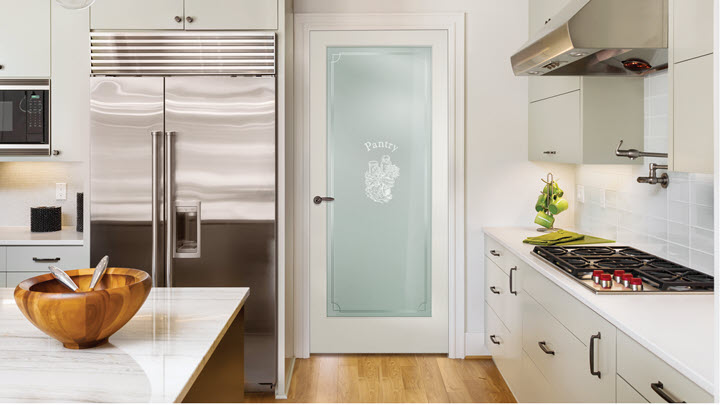
Click here to learn more about one-lite doors.

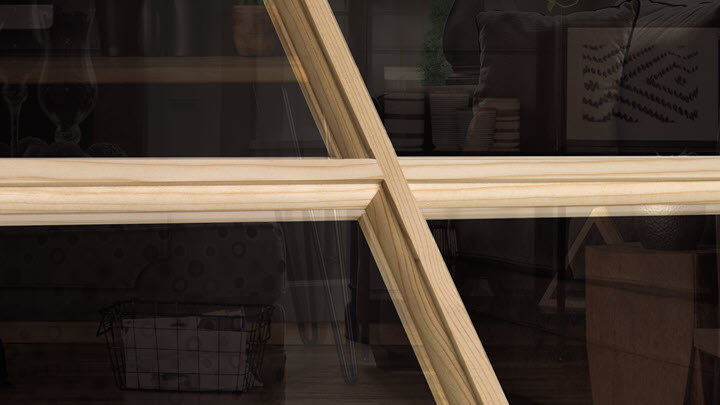
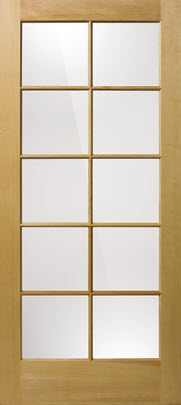
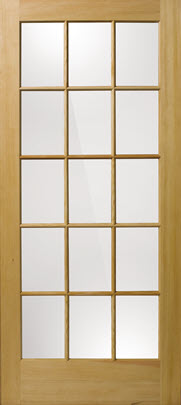
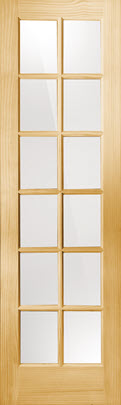
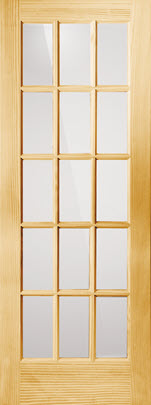
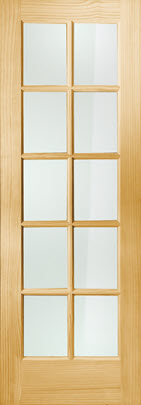
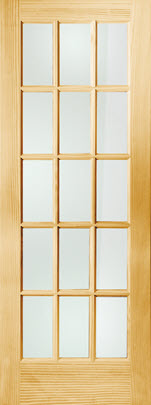
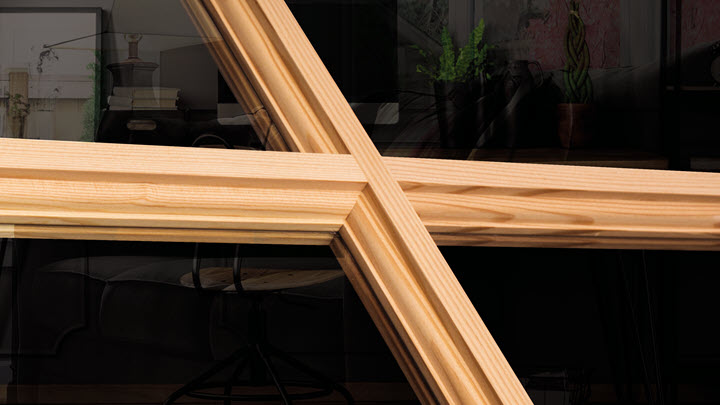
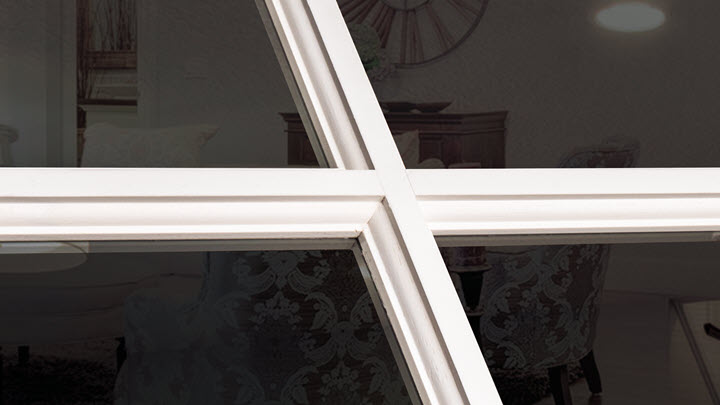
While doors can have a single pane of glass, a popular look is the divided appearance where individual panes of glass are held together by different dividing bars. Depending on the species of the door, the size of the bar will vary.
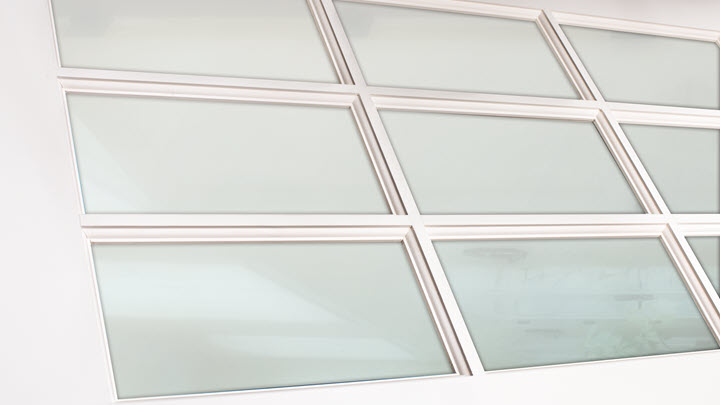
Click here to learn more about divided lite doors.

Louver

Louvers allow for ventilation and are typically used in a utility closet or a standard closet application where air flow is desired to go from one space to another.
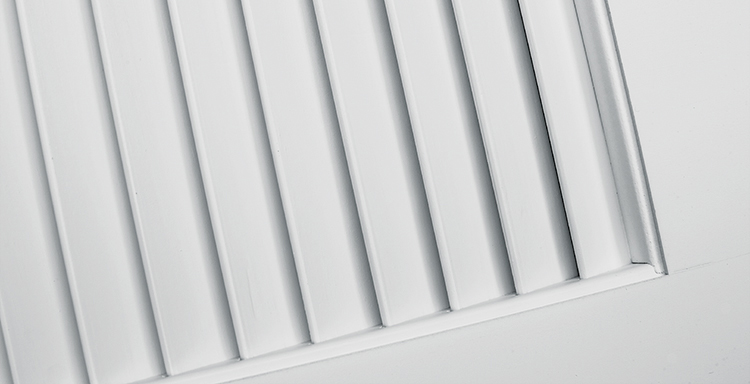
Click here to learn more about louver doors.

Small Lite

Flush doors can include a lite to create a different look
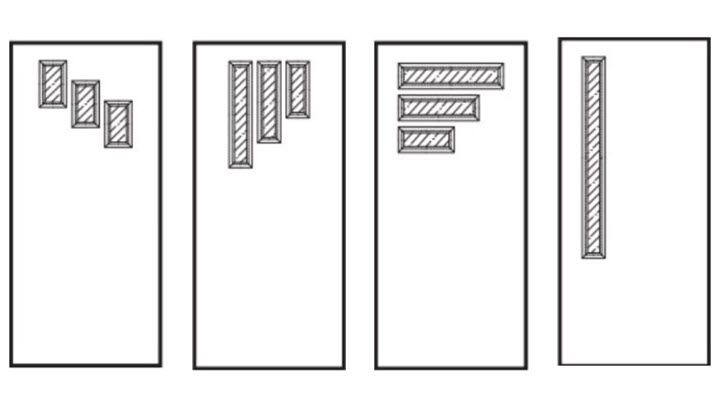
Click here to learn more about flush doors with lites.

Flush

Flush doors are an economical option for interior doors. They are constructed using a mixture of wood and wood-fiber components. They feature a completely flat surface for a simple design option. They are available in a variety of wood species, most of which can be painted or stained
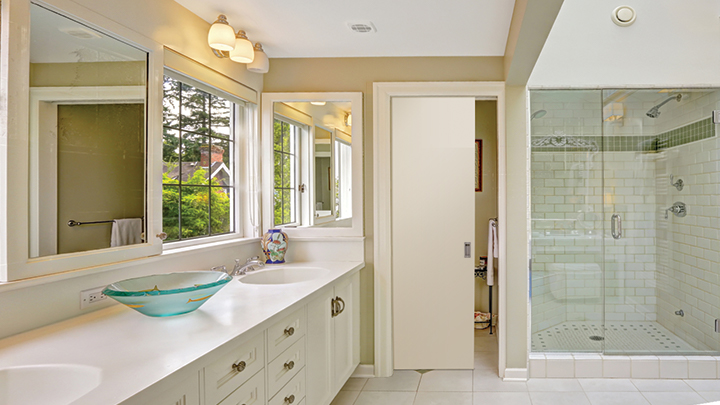
Click here to learn more about flush doors.

Contemporary

Contemporary doors have a skin that is a 1/4″ hardboard skin and the styling found on the door is due to a 1/8″ deep groove that is carved into the skin. The doors come in full and square which means they are true size. Because of their contemporary look, they are able to utilize a concealed or invisible hinge.
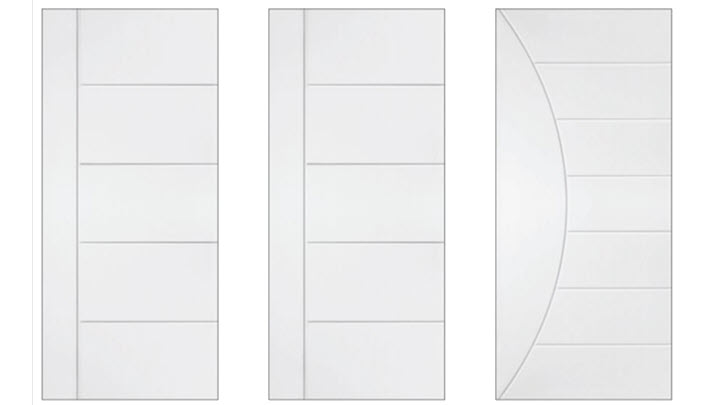
Click here to learn more about Contemporary doors.
Interior Door Handing

The handing of the door refers to which way it swings. While for an exterior door you need to know if it’s inswing or outswing, for an interior door you only need to know if it is a left hand or right hand.

To determine the handing of the door, imagine the door is open and you are standing with your back to the hinges.

If the open door is on your left, it is a left hand door.

If the open door is on your right, it is a right hand door.

Interior Door Bar Types

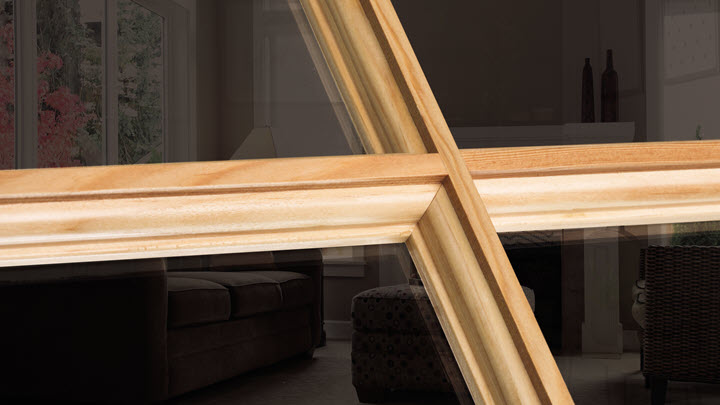
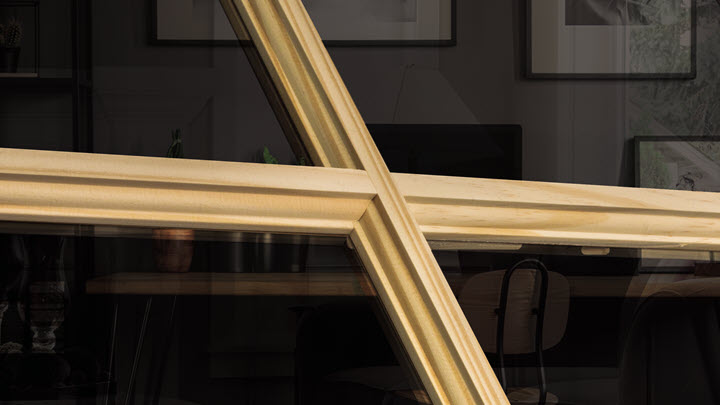
One of the features of a stile and rail door is the additional of glass. While doors can have a single pane of glass, a popular look is the divided appearance where individual panes of glass are held together by different dividing bars. Depending on the species of the door, the size of the bar will vary.


Ponderosa Pine: 1-5/16″ Bar

Ponderosa Pine: 1″ Bar”

Plantation Pine: 1-3/8″ Bar

Douglas Fir: 1-1/4″ Bar

Primed: 1-1/4″ Bar

Neutral Pressure vs Positive Pressure

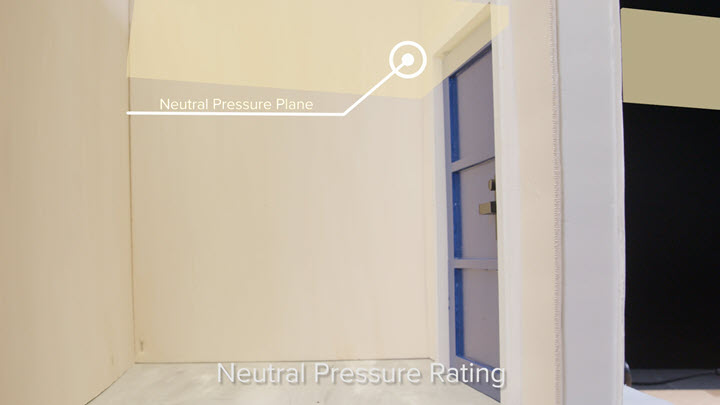
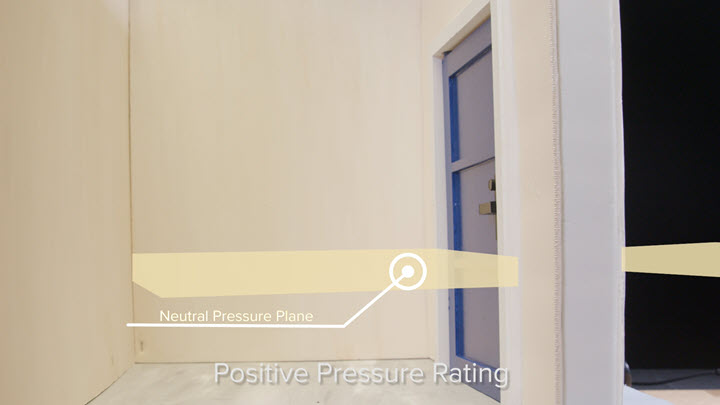
Fire doors are sometimes a necessary feature and local codes will dictate the rating required. One portion of the rating is pressure, but what exactly is the difference between a Neutral and Positive Pressure Rating?

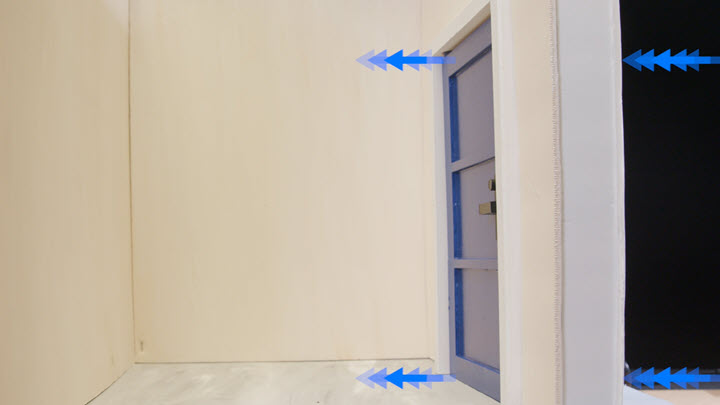
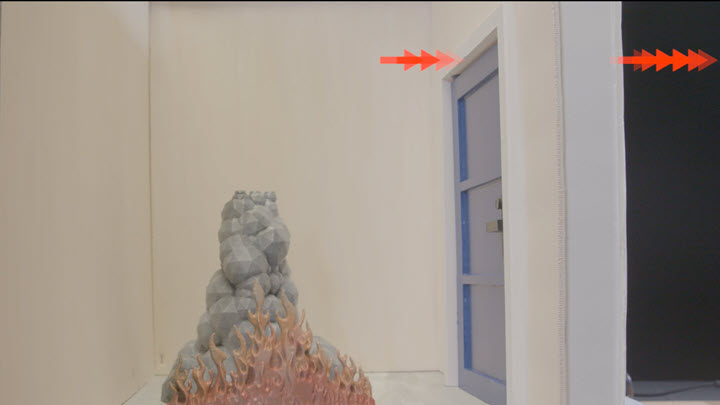
Neutral pressure assumes the pressure plane lies above the door opening. Air can flow freely into the room at the top and bottom of the door unit as the pressure in the room doesn’t build. A standard fire door unit with weatherstrip will suffice.

Positive pressure assumes the pressure plan lies 40 inches from the bottom of the door unit. Air can flow into the space at the bottom. Pressure builds in the space which pushes air out at the top of the unit. Along with the air, gases and flames can also escape; therefore, all positive pressure units need an additional protection.

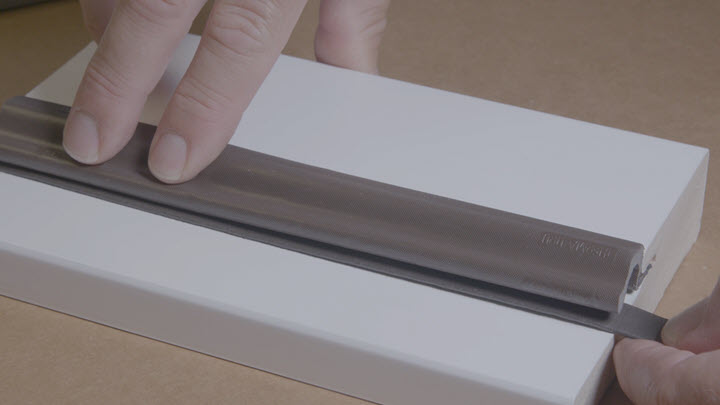
Fire doors known as Category A, have the additional protection built into the door. Category B fire doors require an additional intumescent strip to be installed on the door unit. This intumescent strip expands when in contact with heat filling the opening around the door to block the gases and flames.

This strip cannot be applied until after the frame is finished, as it is installed behind the weatherstrip of the door unit. It is important to attach this strip to all positive pressure fire door unit to achieve the proper protection.

Interior Hinges

Hinges help to open and close a door. There are a variety of hinges available.

Hinge Sizes

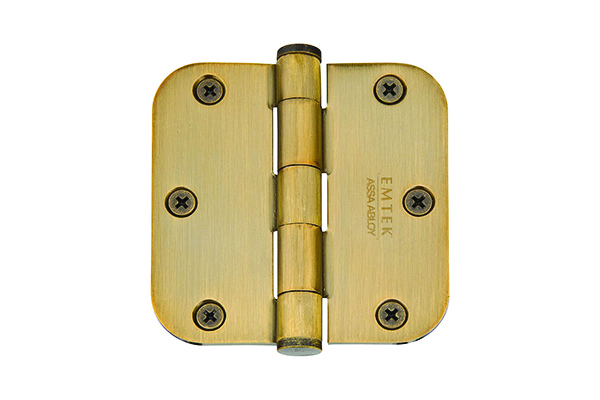
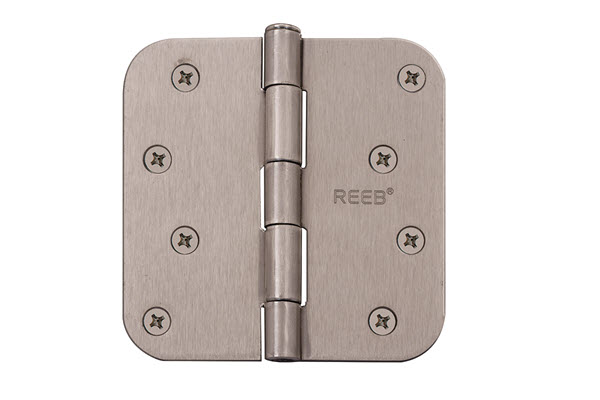
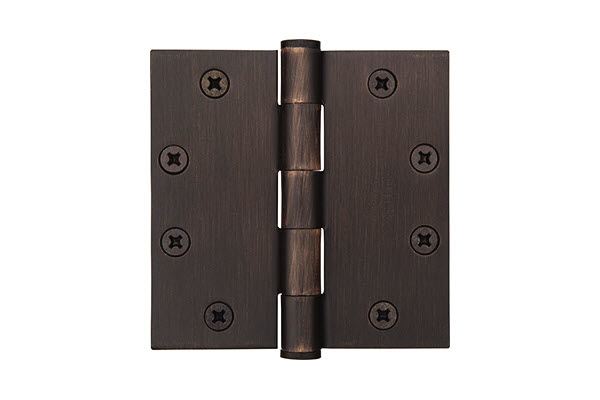
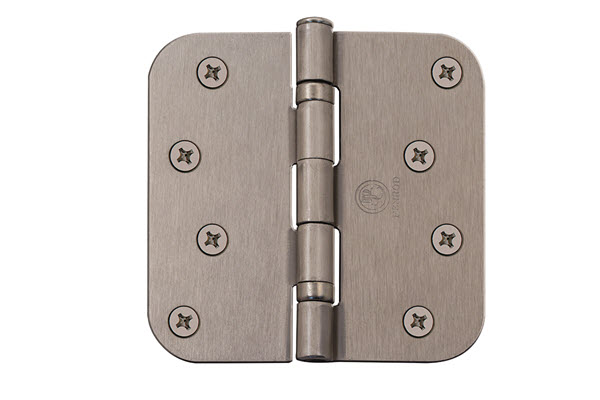
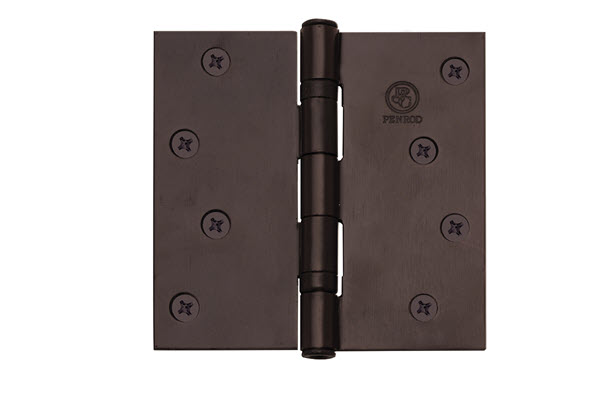
Most interior doors are 1-3/8″ thick and use 3.5″ x 3.5″ hinge. Doors that are 1-3/4″ thick will utilize a 4″ x 4″ hinge.

3.5″ x 3.5″ Hinge

4″ x 4″ Hinge

Non-Ball Bearing Hinge

Standard, or plain bearing, have no buffer between each knuckle of the barrel. This tends to wear the hinge down over time as the sections grind against one another and are better suited for lightweight doors.
Ball-Bearing Hinge

Ball bearing hinges have a steel ball bearing, or buffer, in between the knuckles. Heavier doors put more stress on the hinges, so having the ball bearings reduces friction leading to better performance and longevity.
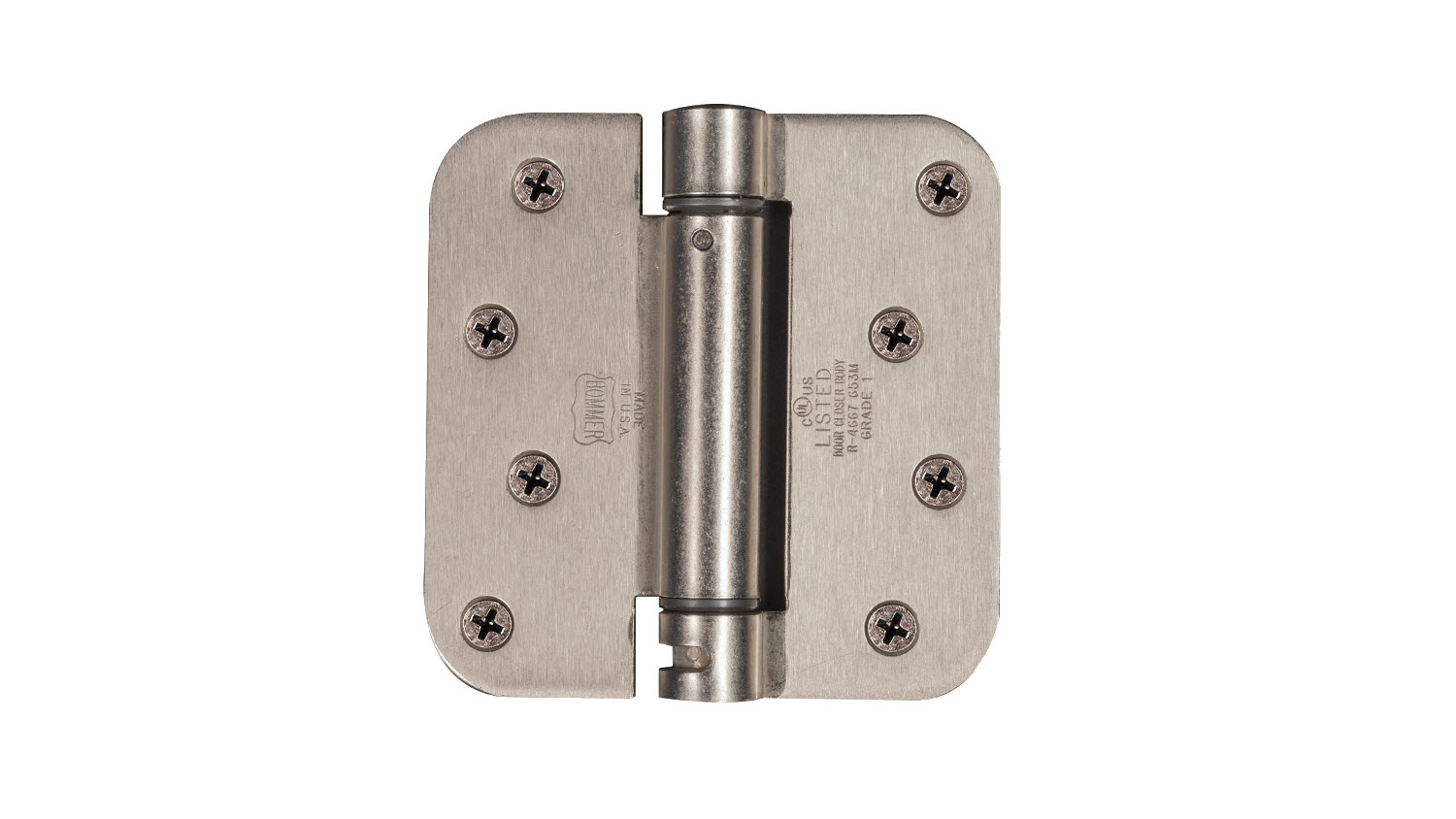
Self-Closing Hinge

Self-closing hinges help pull the door closed for convenience or to meet code requirements that may be applicable in fire door applications.

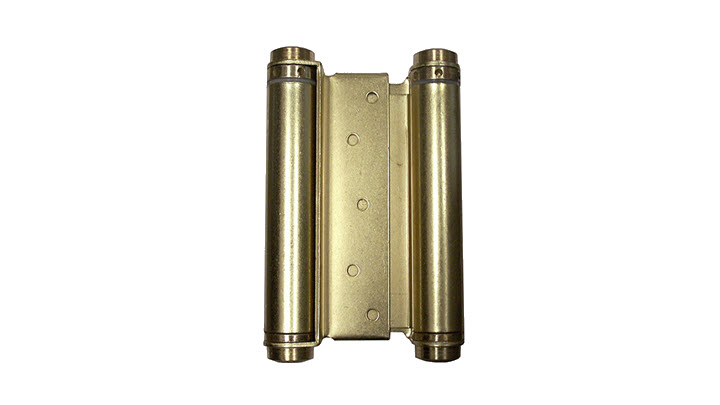
Double Action Hinges

Double Action Hinges allow for the door to open in either direction and automatically return to a closed position.

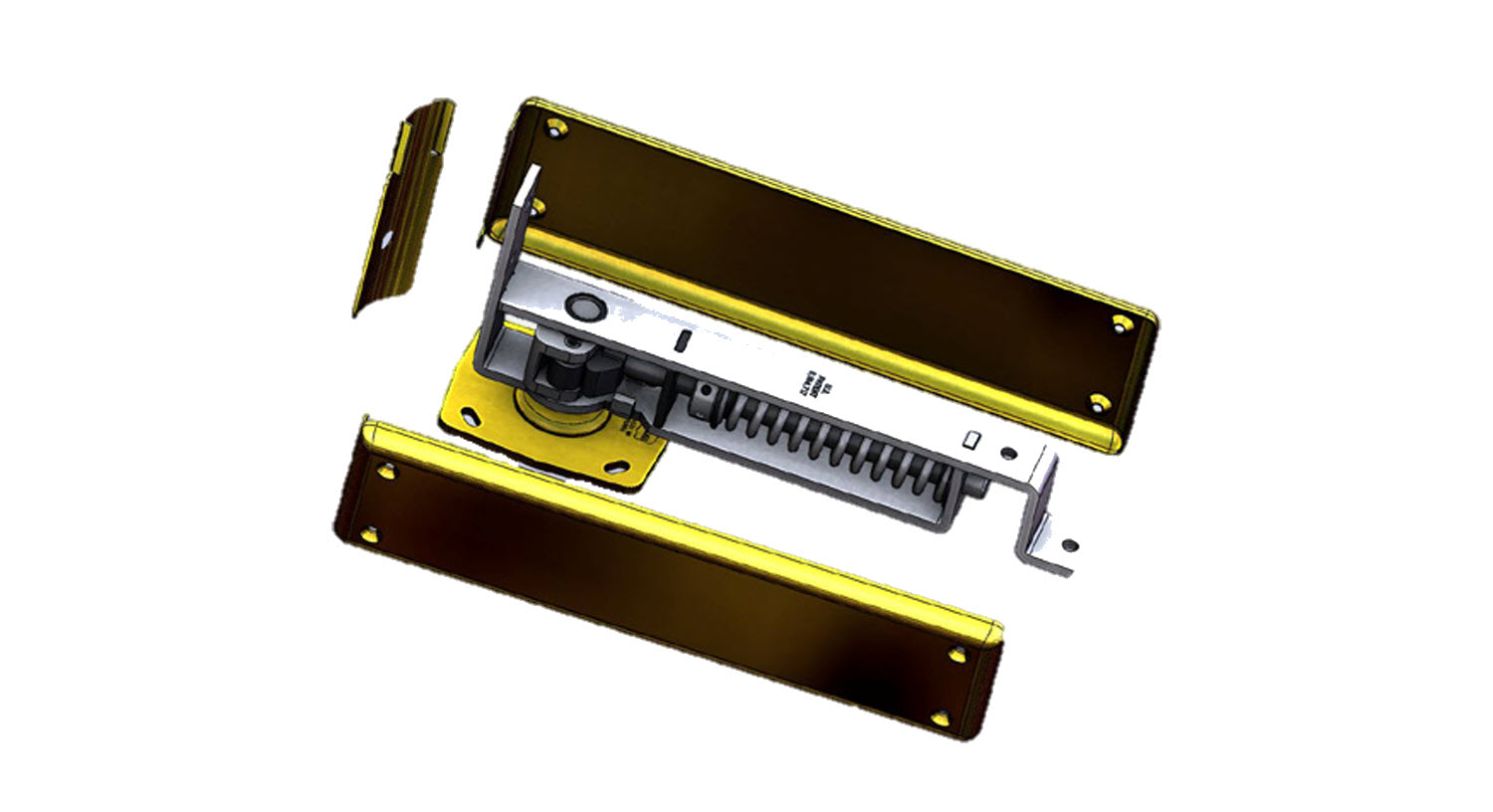
The Floor Mount double action hinge features a floor plate and hold open features.

The Jamb Mount double action hinge attaches to the jamb and allows the door to open both ways.

Flat Panel Options

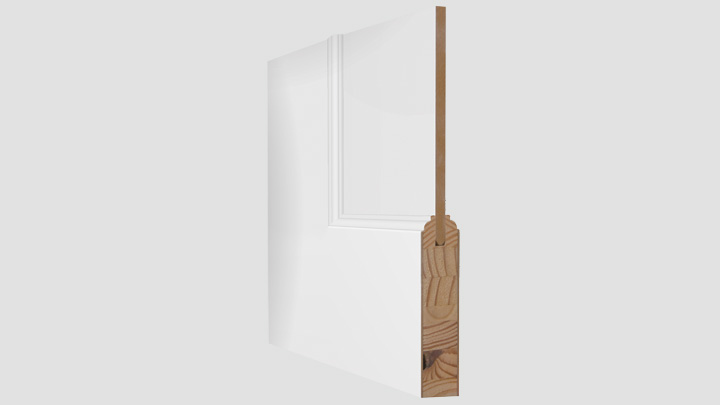
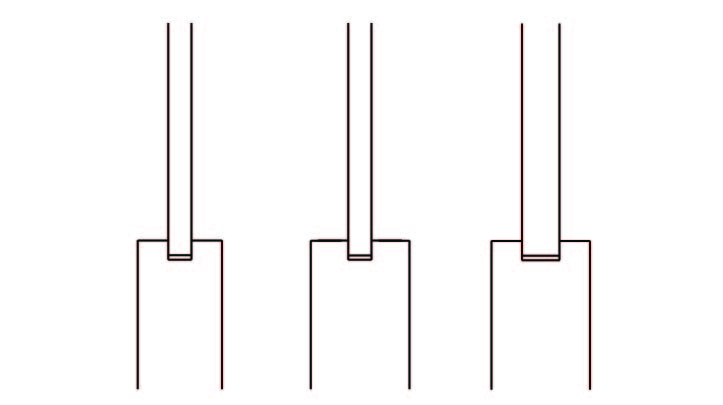
Primed stile and rail doors with a flat panel are a popular choice. The thickness of that panel varies by the thickness of the door.

Doors that are 1-3/8″ thick will have a 3/8″ panel.

Doors that are 1-3/4″ thick will have a 5/8″ panel.

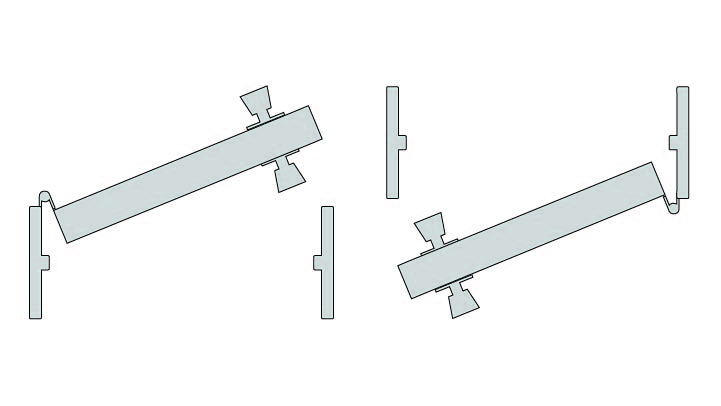
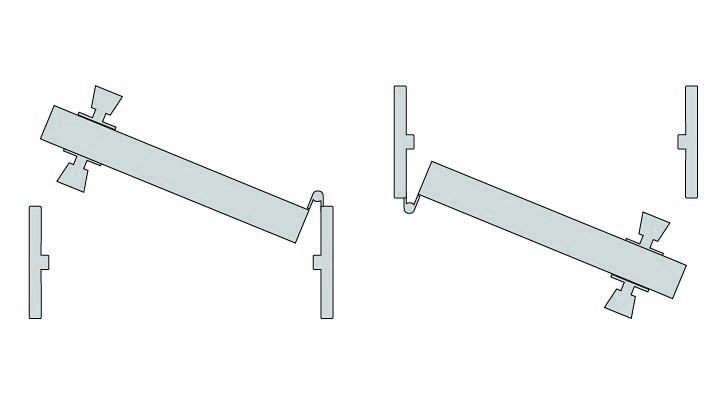
These linearts shows a 1-3/8″ thick door with a 3/8″ panel on the left and a 1-3/4″ thick door will have a 5/8″ panel on the right. The image in the middle is a 1-3/4″ thick door will have a 3/8″ panel on the right. The outer images show a proportional sticking area while the center image has a larger than normal sticking area.

5100 Door Closer – Pre-Installation

Below is a transcription of this video, which was created by the Hager Companies.

This pre-installation video will cover the parallel arm mounting of the 5100 regular door closer and the heavy-duty arm combinations used with the 5100.

First, unbox your 5100 regular door closer. If you are installing the closer in a parallel arm installation, seen here on the instruction sheet, this video is for you. If you have a heavy-duty version of the 5100, go ahead and unbox the door closer. On the top of the instruction sheet, you will see the different heavy-duty arm types available with the 5100. All heavy-duty arms are installed in their parallel arm configuration. Remove the two hex wrenches from the screw packs. The larger one will be used for the spring adjustment, and the smaller one for the valve adjustments.

For all 5100 installations in a parallel arm configuration, the back check selector valve must be turned in completely. The back check selector valve is located on the backside of the closer body. Turn the body over to locate the valve, and using the smaller wrench, rotate the back check selector valve clockwise until it is all the way in. The spring power can be adjusted using the larger hex wrench to turn the screw at the end of the closer body.

The 5100 door closer is shipped from the factory at size 3. Consult the instruction sheet to determine whether you need to decrease the spring size or increase the spring size depending on the width of your exterior or interior door. The chart will indicate how many turns need to be made, either clockwise to increase the power or counterclockwise to decrease it. You have made the initial adjustments and are ready to install your door closer.

Adjusting the 5100 Door Closer

Below is a transcription of this video, which was created by the Hager Companies.

Hager’s 5100 door closer comes in adjustable sizes 1 through 6. This is directly related to how much force is needed to open a door and the resulting force the closer is exerting to close the door.

If the door seems too heavy, you will need to adjust to a smaller size. If the door seems too light, you will need to adjust to a larger size. The closer comes factory preset to size 3. To change the size, you will need to use an Allen wrench or hex wrench in the springboard located at the end of the closer body. You will need to turn 4 revolutions per size. Turn clockwise to increase size, which increases spring power, and counterclockwise to decrease spring power.

Backcheck is the cushioning that you feel at 65 to 80 degrees during the opening cycle. For the 5100, if mounting the closer in the parallel arm configuration only, you will need to ensure that the back check selector valve is fully tightened in the clockwise direction. This will allow for adjusting the back check function. If the valve is not fully tightened, you will not get proper adjustments. The function is adjusted with the valve shown using an Allen wrench. Tightening the valve turning clockwise will increase the back check. Loosening the valve turning counterclockwise will decrease the back check. It is extremely important not to back the valves all the way out as this will ruin the closer. Do not force.

Closing or sweep speed is also adjusted by using an Allen wrench on another valve as indicated. Turning clockwise slows down the closing speed of the door. Turning counterclockwise will cause the door to close at a faster speed.

Latch speed is the last 7 to 10 degrees during closing, speeding up the door just enough to overcome weather stripping, building air pressure, wind conditions, etc. This adjustment is also made by using another valve indicated. Turning the valve clockwise will slow the door, whereas turning the valve counterclockwise will increase the latch speed.

Meet the Platinum Storm Door Collection

The Platinum Collection is the ultimate storm door with added safety lock, a modern look and an installation that takes only a few minutes. Handcrafted to enhance your entrance’s appearance and let the most light into your home, the sleek, modern design is both innovative and attractive. The vault-like, multi-point locking system secures the door in three places, providing peace of mind. This pre-assembled door with maintenance-free aluminum frame and triple weatherstrip seals out harsh weather. Handle set is predrilled and hinges are preassembled; pick left or right as viewed from outside.