Searching...
 
  • Product Knowledge
    • Exterior Products
    • Reeb® Finish
    • Interior Products
    • Commercial Doors
    • General Millwork
  • Guided Learning
    • Learning Paths
      • Intro to Exterior Doors
      • Intro to Interior Doors
      • Guide to Reeb's Products
      • Fiberglass Door Options
    • New Courses
      • Exterior Door Unit Types
      • Selling an Exterior Door
      • Selling an Interior Door
  • LEARNING LOGIN
  • REEB.COM home
  •  
     
     
Learn
PRODUCT KNOWLEDGE
GUIDED LEARNING
 
Searching...
LOGIN
 
  • Exterior Door Products
  • Reeb Finish
  • Interior Door Products
  • Commercial Products
  • General Millwork
  • Exterior Door Products
  • Premium Fiberglass Doors
  • Standard Fiberglass Doors
  • Exterior Wood Doors
  • Exterior Frames
  • Storm and Screen Doors
  • More
  • Popular Articles
  • The Anatomy of an Exterior Door
  • How to Read a Tape Measure
  • Door Unit Construction
  • Measuring for a Larson Storm Door
  • Exterior Door Construction Materials – Wood vs Fiberglass vs Steel
 
  • Reeb Finish
  • Reeb Finish Stain
  • Reeb Finish Paint
  • General Information
  • Aluminum Clad
  • More
  • Popular Articles
  • Grain vs Stain
  • Reeb Finish Paint and Therma-Tru Paint Comparison
  • Reeb Finish Paint
  • Reeb Finish PrismaGuard
  • Therma-Tru Stain and Paint Finish
  • Interior Door Products
  • Wood Stile & Rail Doors
  • Primed Stile & Rail Doors
  • Flush and Molded Doors
  • Interior MDF Doors
  • Barn Door Hardware
  • More
  • Popular Articles
  • Bifold Finished Openings
  • Primed Stile and Rail Panel Types
  • Primed Stile and Rail Features
  • Panel Types
  • Glass Options
  • Commercial Products
  • Commercial Door Products
  • Light Commercial Door Products
  • Commercial Frames
  • Exit Devices and Closers
  • Commercial Locks
  • More
  • Popular Articles
  • Commercial Fire Door Requirements
  • Fire-Rated Unit
  • Architectural Wood Door Bore Options
  • SteelCraft Hinge and Bore Locations
  • 90-Minute RSP Series Fire Doors
  • General Millwork
  • Columns & Posts
  • Decorative Millwork
  • Shutters and Wood Blinds
  • Posts
  • Railing Systems
  • More
  • Popular Articles
  • Fypon Door Surround Kits
  • PermaLite Columns
  • HB&G Split Kits
  • Aluminum Square Columns
  • Fypon Mouldings
Learn More
Introduction to Exterior Doors
2.5 Hours of Training  |  Beginner
Learn More
Fiberglass Door Options
2 Hours of Training  |  Intermediate
Learn More
All Learning Paths
Learn More
New Courses
 

Syndication: Reeb Exterior Wood Doors

Wood Door Maintenance and Finishing

Maintenance

Exterior wood doors are handcrafted to last for years to come, but, like any fine piece of furniture, its finish will require some simple, periodic maintenance to keep it looking great and provide proper protection against the elements. Regular finish maintenance is also a requirement of the warranty. Here are some signs to watch for. They indicate that it’s time for some simple, easy-to-perform maintenance:

  • Hairline cracks in the top coat of finish.
  • Changes in the color of the finish.
  • Changes in the texture of the finish, such as flaking or scaling.
  • Dullness or chalkiness in the finish.

If you live in a severe climate or your entry receives a lot of direct sunlight from a southern or western exposure, you’ll want to examine your door’s finish often. Depending on the conditions, you may also need to maintain the door finish more frequently. It is important to note that wood has inherent dynamic qualities. Over time, small surface “imperfections” may appear, and the door may shrink or swell slightly as it “breathes” with climate changes. These characteristics are perfectly normal, reflecting the natural aging process of a wood door, and they should not be considered defects. To minimize these occurrences, protect your door with the right finish and an adequate overhang.


Finishing

All surfaces of the door must be properly finished. The edges (top, bottom and sides) should be coated with each and every coat of finish that is applied to the exterior surface of the door. Doors must be dry before finishing. On doors that are glazed with clear glass, the finish used should be flowed from the wood slightly onto the glass. This will provide assurance against water leakage and protect the glazing compound “putty” from drying out. It is the finisher’s responsibility to protect glass prior to and during finishing. If using tape, conduct a test of the tape being used on a small area of the glass before applying to a large surface. After finishing, remove the tape as soon as possible.
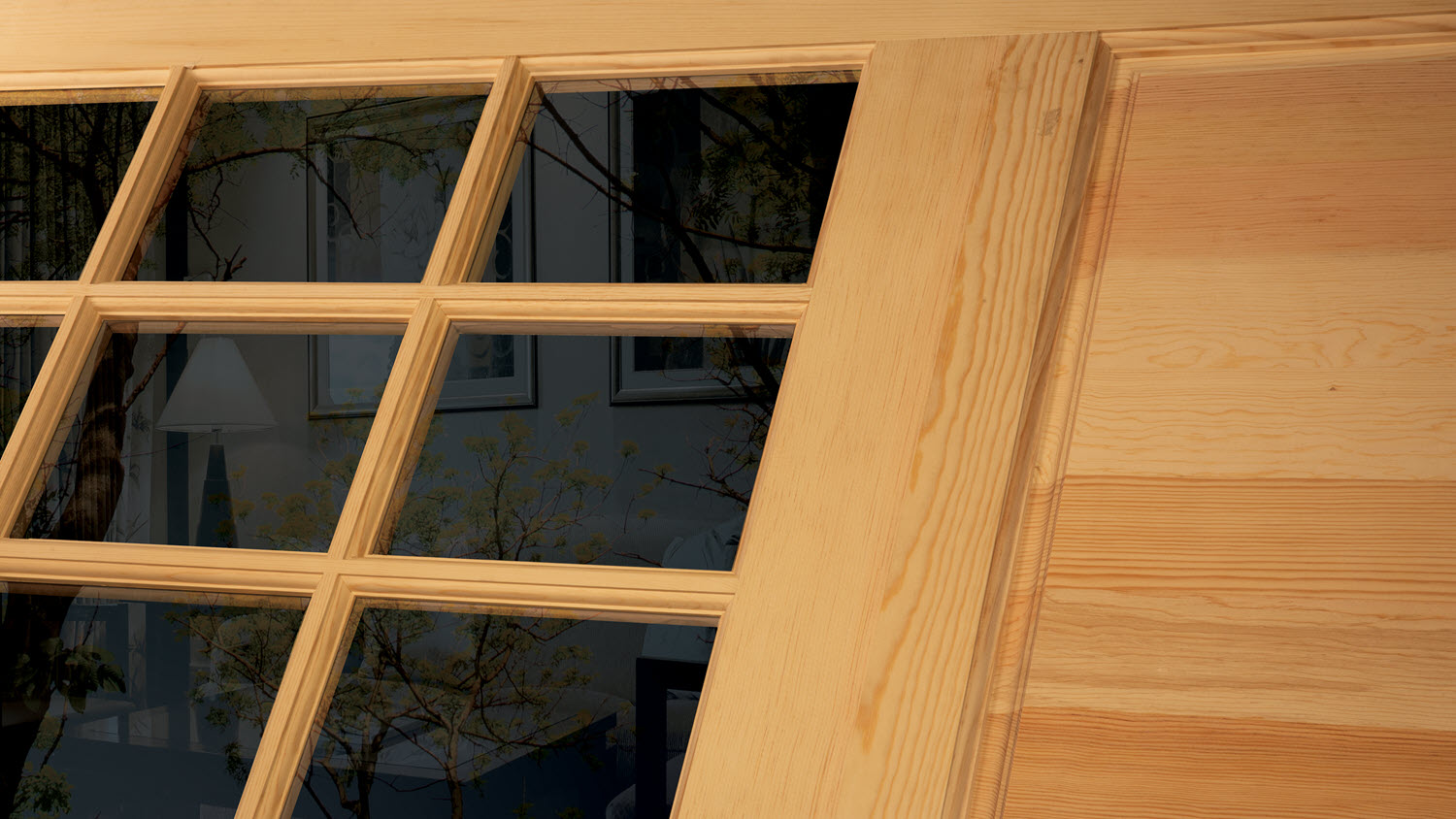
The recommended process for finishing wood doors is a 3-step process.

  • Step 1: application of a wood conditioner. A wood conditioner prepares the wood to accept finish uniformly and helps to spread the finish evenly. When selecting a wood conditioner, the type of conditioner needs to match the stain. For example a water-based conditioner for a water-based stain or an oil-based conditioner for an oil-based stain.
  • Step 2: application of a stain. Stains are available in a wide range of colors. Whatever color you select should have an alkyd-resin base. Under no circumstances should a lacquer-based finish system be used on exterior doors.
  • Step 3: application of at least three top coats of a clear finish. When selecting the finishes for these three steps, select products that have been designed to work together.The three (minimum) top coats may be a solvent-borne (oil-base, alkyd resin-base, polyurethane resin-base) or a water-borne (acrylic resin-base) clear finish.
Exterior Door Glazing Compound

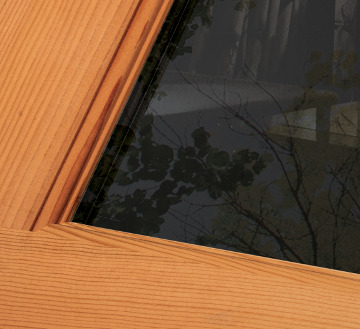
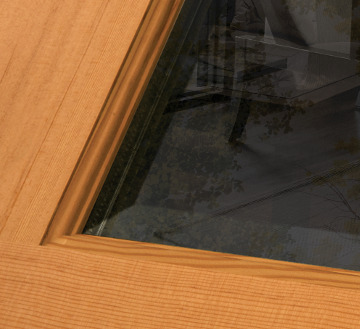
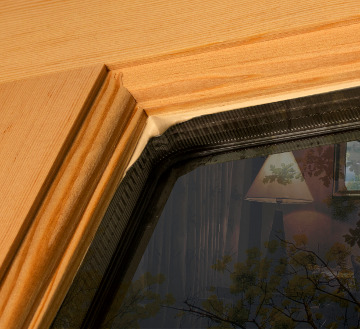
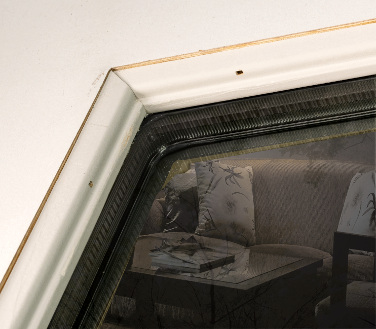
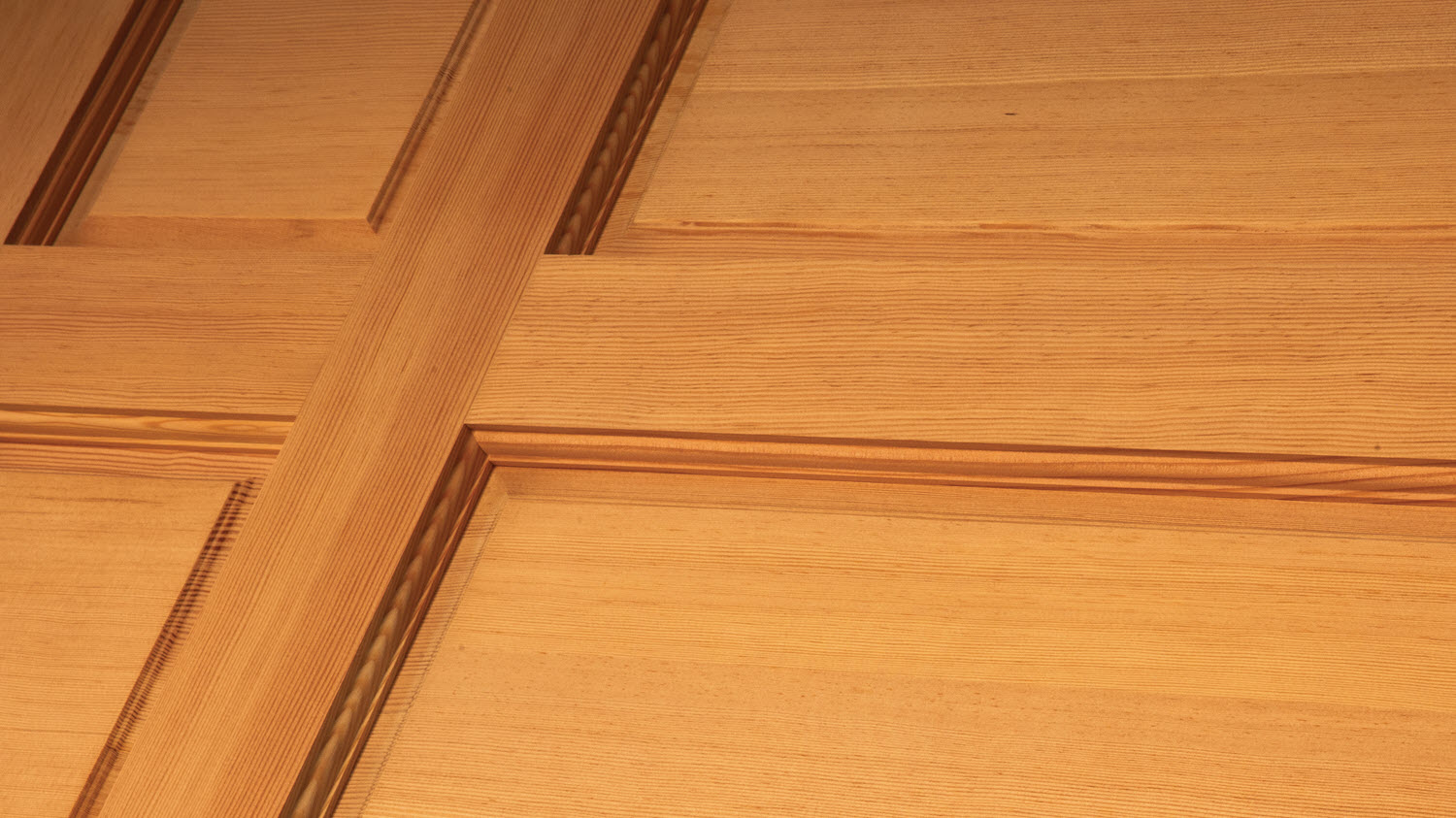
When an exterior stile and rail door includes glass, it may also include a glazing compound. The glazing compound waterproofs the glass to the wood parts of the door so finding excess glazing compound around the edges of the glass is expected. But why is that there?

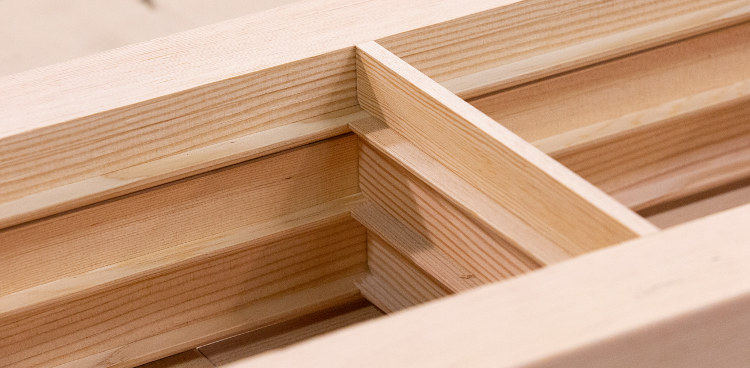
When manufacturing the stiles and rails, the components are moved through equipment that machines the sticking profiles into the door. If the door is expected to have glass installed, only one side of the stile/rail is prepped for sticking, known as the solid sticking. This allows the glass to easily be placed into the door once all the components are assembled.

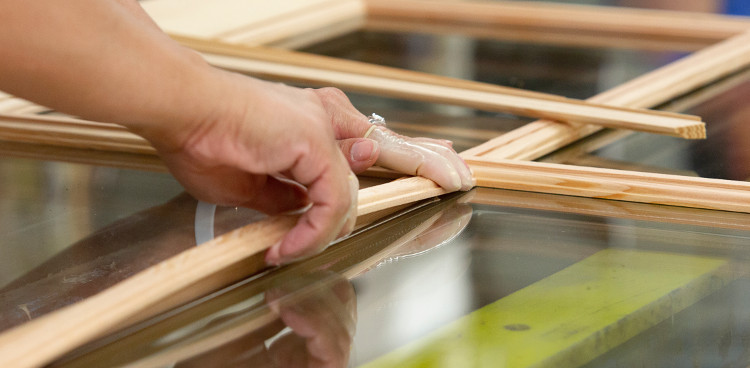
A glazing compound, which is similar to a caulk, is applied to the solid sticking side of the door. The glass is bedded into the opening and pushed into the compound to ensure there is a tight seal. During this process, the glazing compound will fill in the areas between the wood parts and the glass and will “squeeze out” around the glass lite. At the time of glass installation (glazing) the glazing compound is somewhat runny and sticky and it needs several days to set-up, so it cannot be removed immediately.

A secondary line of glazing compound is added to the open side of the glass and a glazing bead, a piece of wood that has the sticking profile, is nailed into place to hold the glass. With glazing compound on both sides of the door, chance of water getting around the glass is minimized or eliminated and it helps with a superior finish in that stain or paint will not seep down behind the stick or the glazing bead.

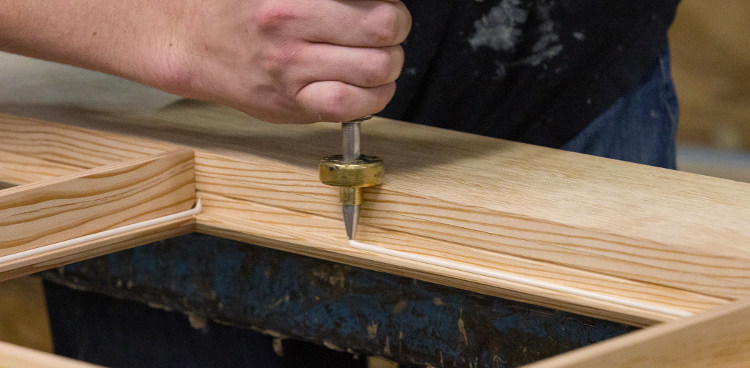
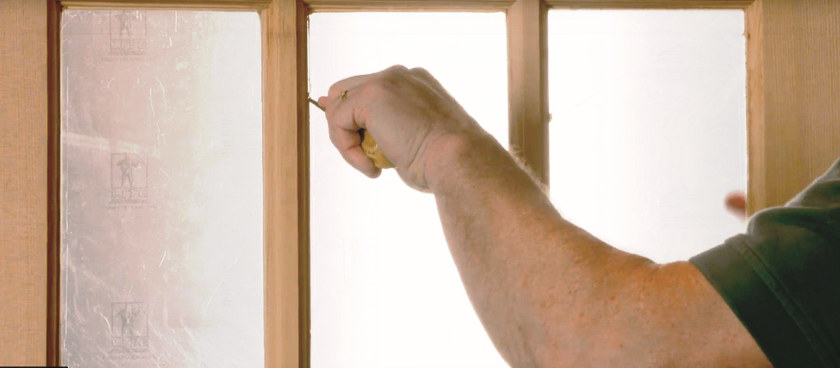
This compound should be removed prior to finishing the door. It is incorrect to use a razor knife or a razor scraper to remove glazing squeeze out because it will damage the door, scratch the glass, and can create issues for the glazing compound. The proper tool to use is an awl, which is round with a sharp point. To remove the glazing compound, simply press the awl firmly against the glass and run around the edge of the glazing bead or the sticking. This will leave a nice transition from the glass to the glazing compound to the wood components and allows a good “lap” of finish onto the glass. After running the awl around the perimeter of the glass, use a plastic scraper to lift the compound off the glass. Spraying the glass with glass cleaner will help protect the glass and keep things clean.


While flat glass is most popular, textured glass offers a dramatic and tactile design option. As the name would suggest, textured glass has one side that is not flat due to the texture of the glass. It used to be common practice for the texture to be on the exterior side of the door but due to best glazing practices, the texture is placed to the interior side of the home. Beveled glass is considered the same as flat glass so the bevels will be to the outside of the home.

Flat Glass

Beveled Glass

The process of using glazing compound on both sides of the door is called “double bedding”. As noted above, this allows either side of the door to be to be considered exterior. Why is this important? When hanging an exterior non Water-Barrier door, the solid sticking will always be placed to the exterior side of the unit. Water Barrier doors have an MDO (medium density overlay) applied on the exterior side of the door for superior painting results and for a contiguous skin to help eliminate stile and rail movement especially in extreme exposures. Due to the construction employed in making this kind of door, the glazing bead will be to the outside and the solid sticking will be to the inside. Either way, Reeb Simpson doors are designed and engineered to offer the best in durability.

Typical Exterior

WaterBarrier® Exterior

Exterior Door, Interior Door, Wood Door, Preparation

Premium Wood Doors

Gregg Hoyer walks us through various types of premium wood doors and dissects the components that make up each one, offering us an in-depth look at how each will perform in the real world.

Note: Metropolitan Doors are no longer offered. A comparable offering is the Nantucket with Optional Joinery.

Wood Door Joinery

Note: Metropolitan doors are no longer offered. Any reference to Nantucket doors includes both the standard and optional joineries.

Wood Door under a Partial Exposure in the Rain.
Exterior doors are exposed to sun, wind, and/or moisture. Of these three, moisture is a door's greatest enemy. Wood doors, like all exterior products, are subject to the effects of moisture. While all wood doors may look similar, the joinery varies. Special joinery methods used on Nantucket®, Performance Series® and WaterBarrier® doors can help mitigate moisture issues.

Nantucket Joinery

The Nantucket door by Simpson is the toughest wood exterior stile and rail door. The stiles and rails are two pieces of solid lumber which are face laminated together. Because there is no veneer and the core is solid, the door is not subject to veneer delamination or core swelling.
Stile and Rail Detail of Simspon Nantucket Door.
The Nantucket door has a two special joinery technique called a mortise-and-tenon joint. A mortise is cut into the stile and rail and a tenon is inserted. Glue is applied to the tenon as well as the entire coped area where the stiles and rails come together. The standard joinery will include an additional face pin driven through holes in the face of the door pulling the joint together. The optional joinery will use a grip tenon which is slightly larger to hold the stiles and rails together The joint is virtually indestructible allowing the door to hold up in any exposure.
Mortise and Tenon.
Mortise-and-Tenon Joinery
Mortise and Tenon.
Nantucket Close Up
Simpson Nantucket Front Door.

Metropolitan™ Joinery

Similar to the Nantucket®, the Metropolitan™ door utilizes the same solid lumber face-laminated construction technique with no veneers. The difference is in the joinery ‐ the Metropolitan door is joined with dowel pins. Glue is applied to the dowel pins as well as the entire coped area preventing moisture from attacking the door.
Stile and Rail Detail of Simspon Metropolitan Door.
If you prefer a minimalistic look, the Metropolitan's joinery removes the face pin aesthetic element. This joinery does not compare to the Nantucket's joint strength, but the door is still capable of being used in any exposure.
Simspon Metropolitan Front Door.

Performance Series® Joinery

Simpson's Performance Series® door has a solid bottom rail to protect the most vulnerable part. The joinery of the Performance Series is the same as the Metropolitan™ ‐ glue is applied to dowel pins as well as along the coped area. The biggest difference between the two is that the Performance door is not solid lumber. The stiles are a finger-jointed wood block core covered with a veneer and have Ultrablock® Technology, a composite block finger-jointed at the bottom preventing water from getting to the core.
Simpson Performance Series Door Ultrablock Technology.
Ultrablock® Technology
Simpson Performance Series Dowel Door Pin Joinery.
Dowel Pin Joinery showing Coped Area
Simpson Performance Series Front Door.

WaterBarrier® Joinery

WaterBarrier® is another version of the performance door which utilizes a medium density overlay over the entire exterior side of the door preventing any moisture from getting to non-solid lumber portions. This means the exterior is only paintable but the door can be used in any exposure.
Medium Denisity Overlay of Simpson WaterBarrier.
Medium Density Overlay over exterior side of door
Simspon WaterBarrier Doors.

Standard Construction Joinery

Standard construction wood doors have a veneer overtop a finger-jointed core making it very susceptible to moisture especially in a partially or unprotected doorway. The stile and rail joints are joined by dowel pins but are only glued at the dowels, not at the coped area. Doors with this joinery should only be used in Fully Protected Doorways.
Standard Construction Wood Door Joinery.
Standard Construction Joinery
Dowel Pin Wood Door Joinery.
Dowel Pin Joinery
Water can get through the coped area because it is not sealed by the glue. Once moisture begins to get through the coped area, it can lead to moisture infiltration, door swelling, and eventually rot and decay as well as veneer delamination.
Close Up of Door with Rot.
Door with rot/decay
Close Up of Door with Delamination.
Door with veneer delamination
While it is important to have an aesthetically pleasing door, it is also important to have a door that is capable of withstanding its environment. If you have a fully protected doorway, any of these joinery types will work well. However, if you have an unprotected doorway, it is important to use the tough Nantucket®, Metropolitan™, or WaterBarrier® doors to ensure the maximum life of your door.
Simpson Nantucket Wood Front Door.
NANTUCKET®
Simpson Metropolitan Wood Front Door.
METROPOLITAN™
Simpson WaterBarrier Wood Front Door.
WATERBARRIER®
 

Exterior Wood Door Warranties Explained

When buying an exterior wood door, it’s important to understand exactly what is covered by the manufacturers’ warranty. Mat explains the difference between a fully protected, partially protected and unprotected doorway and how that can affect your doors’ warranty.

Note: the Metropolitan construction is no longer offered. Any reference to Nantucket doors includes both the standard and optional joineries.


Knowledge Base Main Categories

  • Reeb Finish
  • Systems
  • General Millwork
  • Commercial Products
  • Interior Products
  • Exterior Products

SUBSCRIBE FOR UPDATES

Subscribe today to receive updates as we release new Learning Center content.
 
Facebook Instagram Youtube LinkedIn
  • Terms of Use
  • Privacy Policy

All content © 2026-2027 REEB Millwork II, LLC. All rights reserved.