Reeb Wood Jamb

Reeb Wood jambs, or frames, are mill option wood which provide a strong, reliable foundation for a beautiful finish.
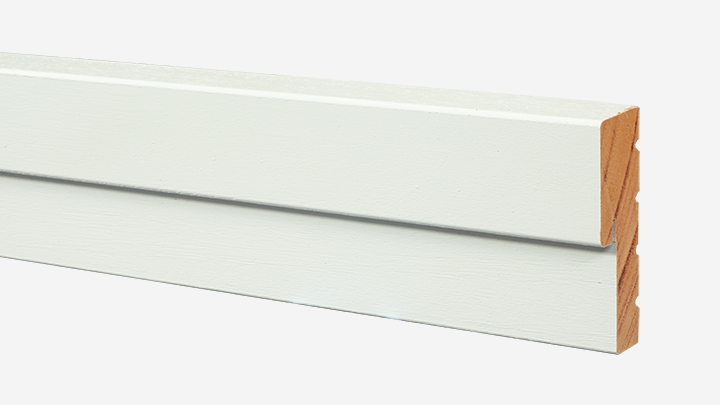
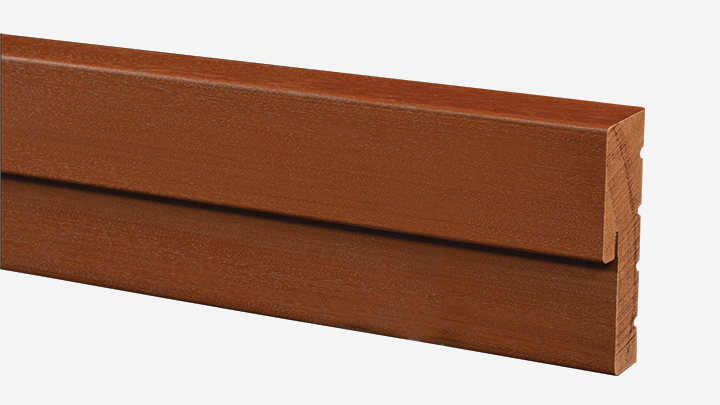
Reeb Finish

This jamb species can only be used through Reeb Finish, can be painted or stained, and has a one year warranty.


Layouts

Reeb Wood jambs can be used with single doors, double doors, doors with one sidelite and doors with two sidelites.


Depths

The Reeb Wood jamb is available in the standard 4-9/16″, 5-1/4″, and 6-9/16″ jamb depths, but can be ordered in sizes ranging from 3″ to 14-1/2″. Transom sills are also available in standard 4-9/16” and 6-9/16” sizes, with reinforced transom depth options of 4-9/16″, or 6-9/16″.


Lengths

All standard heights are available for this type of frame, along with some material available in 10’ pieces to accommodate larger width or taller units.


Exterior Casing

Brickmould is available as an exterior trim in a matching grain material and will be 2” in width.
Therma-Tru’s Standard Fiberglass Doors: Divided Lite Options

Sean Maguire discusses the divided lite options available with Therma-Tru’s Standard Fiberglass Doors.

For more information on the items featured in this video, click the link below.

Fixed grilles for Fiber-Classic or Smooth-Star doors

Removable grilles for Fiber-Classic or Smooth-Star doors Note: Removable Wood Grilles are no longer offered.

Grilles between the glass for Fiber-Classic or Smooth-Star doors

Simulated Divided Lite Bars for for Fiber-Classic or Smooth-Star doors

SDL Bars with GBGs for for Fiber-Classic or Smooth-Star doors

Hinge Side vs Stop Side

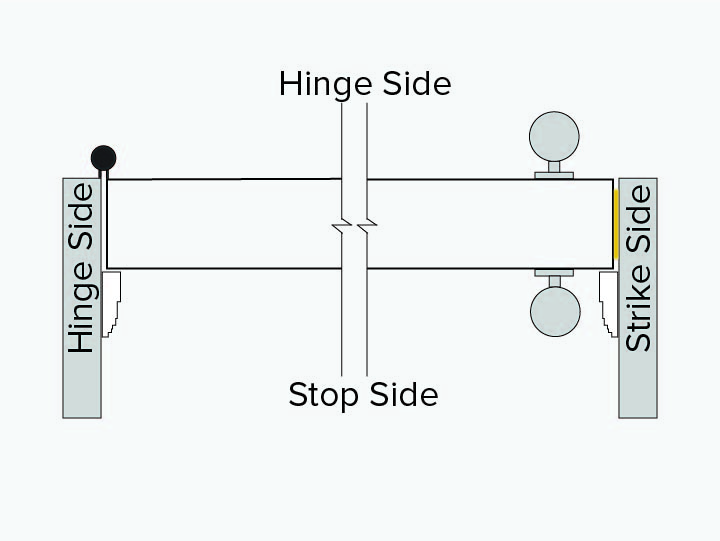
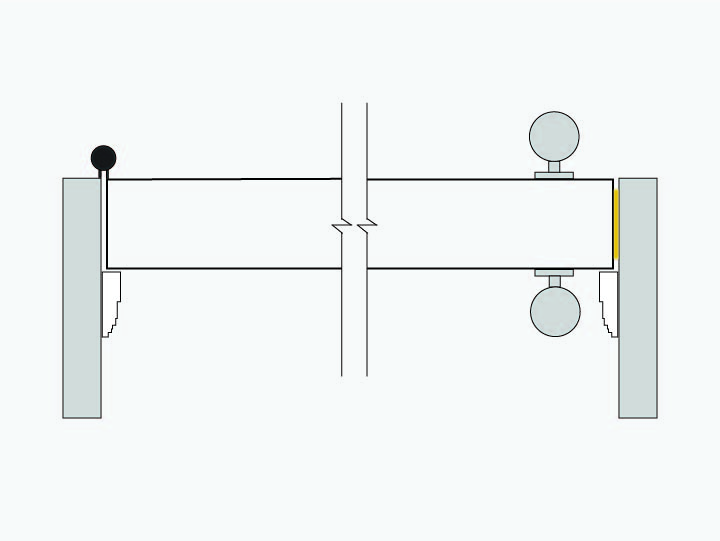
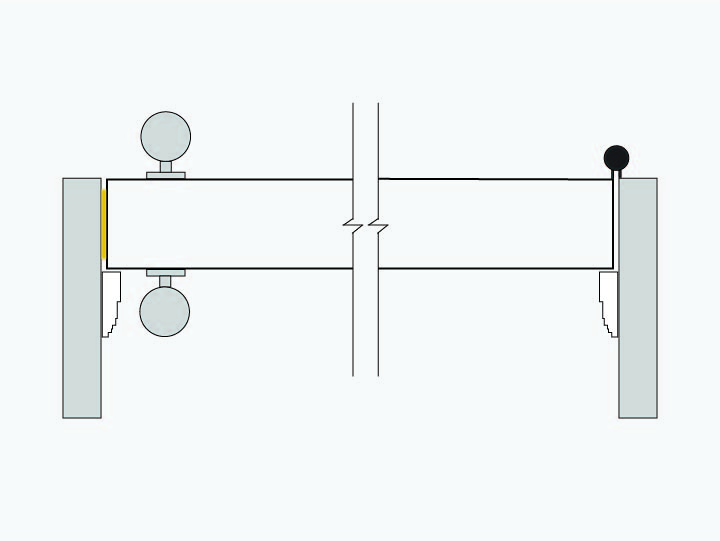
When pre-hanging a door, there are some doors that are considered handed. This means depending on how they are oriented, their special features may be visible or useful. When ordering a handed door, it is important to specify if the specialty side is on the hinge side or the stop side.


Interior Stop

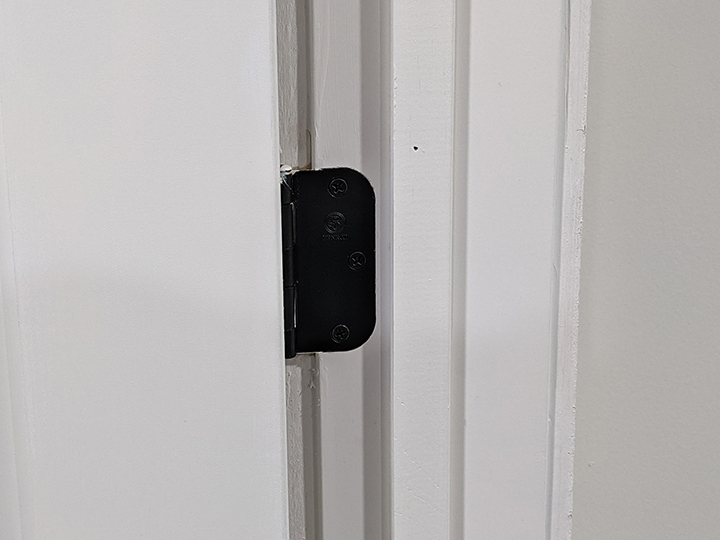
Interior Jamb with Hinge and Stop attached

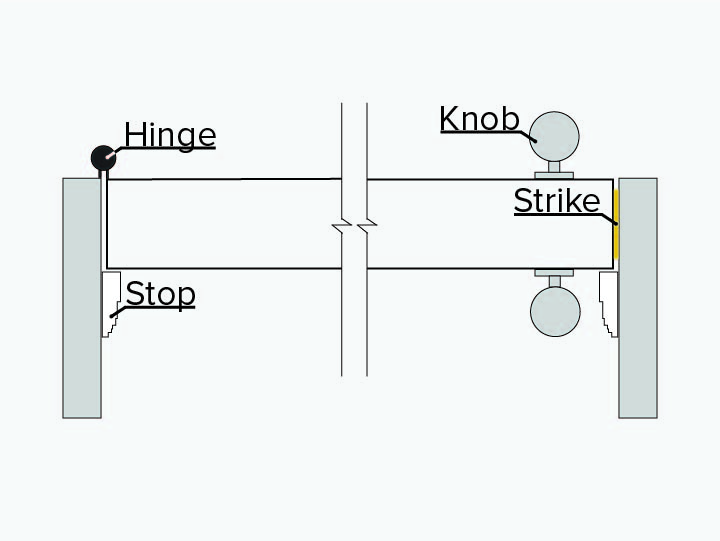
The term stop side comes from interior flat jambs that require a piece of material to stop the door from swinging too far and pulling on the hinges. The stop material is applied on the opposite side of the hinge. Not all jambs use a separate piece of material. Some jambs have a built in stop, but the same concept applies.


Hinge vs Stop Side

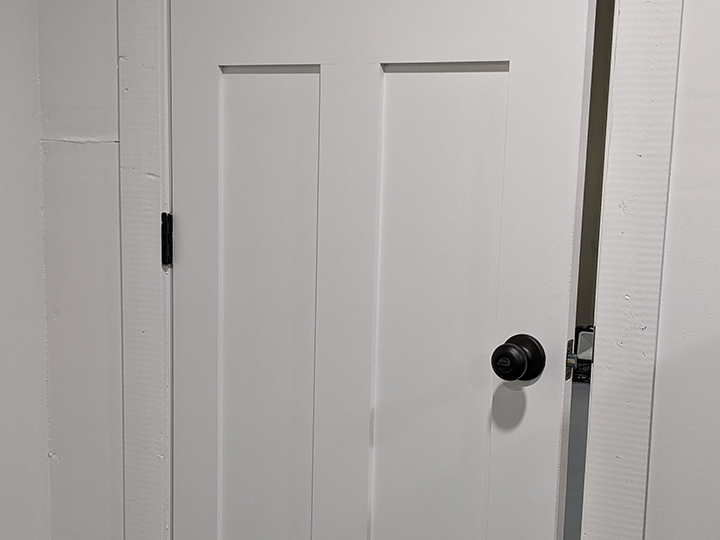
View from Hinge Side showing Strike Side of Door

The side with the hinge is the Hinge Side while the side with the stop is the Stop Side. It is a good time to also mention another term that is often mentioned when it comes to units. The strike side references the side with the door knob. It is called the Strike Side due to the strike that is installed on the jamb into which the latch sits.

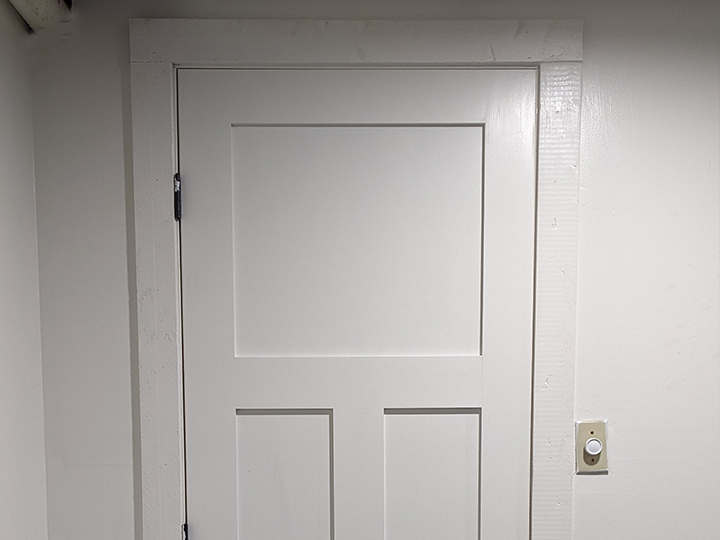
Hinge Side of an Interior Door Unit

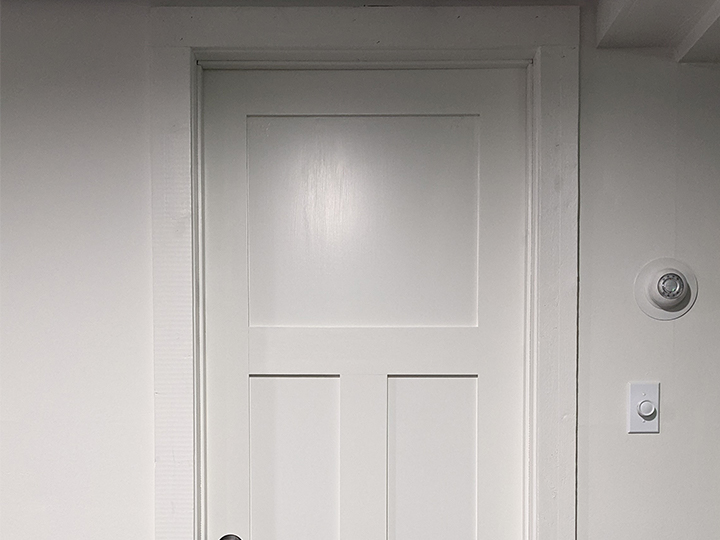
Stop Side of an Interior Door Unit


Example

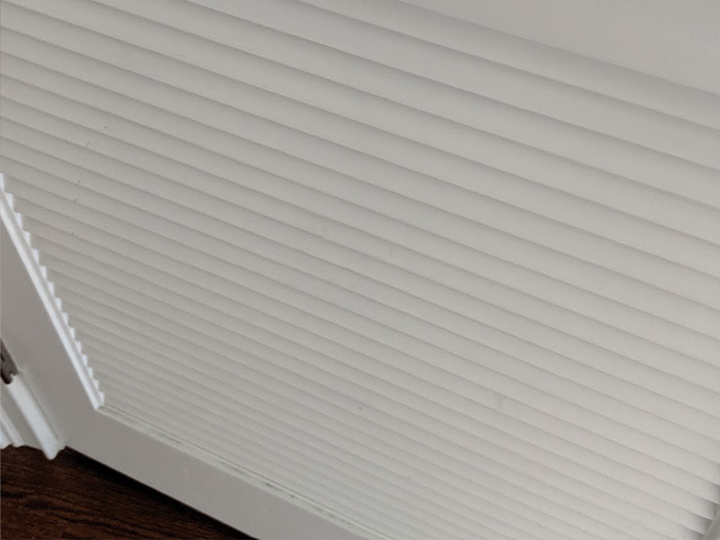
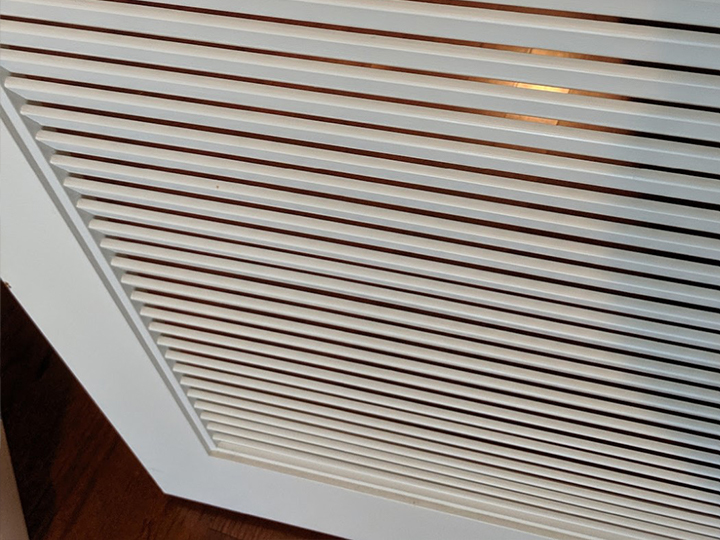
A great example of a handed door is a louver door. The orientation of the door is associated with the blind side – or the side in which you cannot see into the next room or space.

Louvers Run Down

Louvers Run Up


Swing

In addition to noting how the specialty door should be oriented, you will need to identify if the door will have a left or right hand swing. The stop or hinge side have no impact on which way the door needs to swing.

Left Hand Swing

Right Hand Swing

Converging Door Installation

This video details the installation of Johnson Hardware® Converging Pocket Door Frames. Converging Pocket Doors are 2 individual Pocket Doors that slide out from left and right wall pockets within the same opening and meet in the middle when closed.

Pocket Door Frame Installation

The Johnson Hardware® 1500HD and 1500SC are heavy duty commercial grade pocket door frame featuring all steel split studs. Self taping drywall and trim screws are included with the frame to allow fastening of drywall and split jamb material to all steel split studs.

How to Install Barn Door Hardware

Here is an overview of a typical installation of a complete Goldberg Brothers barn door hardware set and a few accessories, including handles and Soft Stops.